Golden Retriever Overview: Traits, Care, and Temperament
Golden Retriever Overview
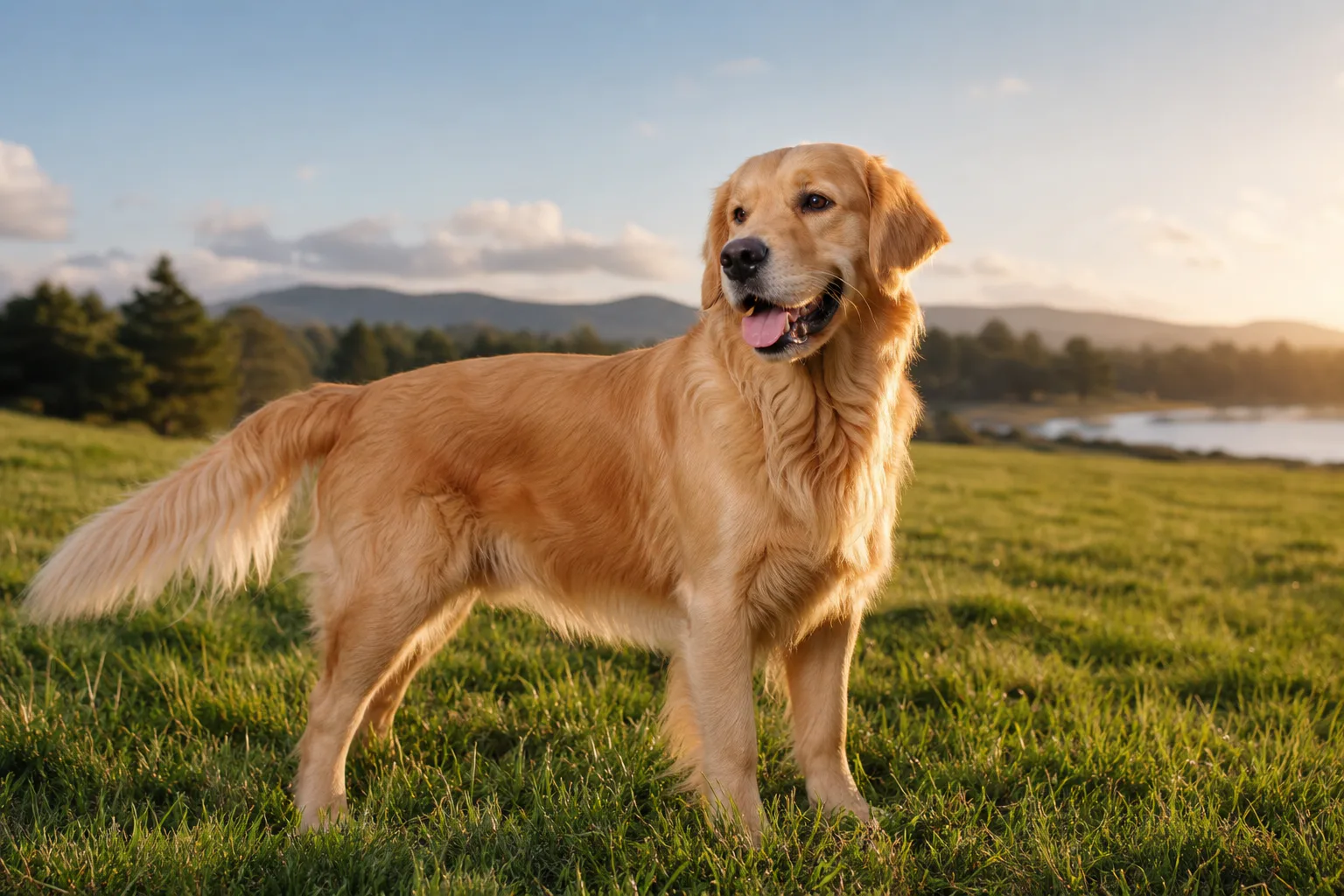
A Golden Retriever is a large, intelligent Scottish gundog known for its friendly temperament, trainability, and strong desire to work with people. The breed can thrive as a family companion, guide dog, hunting partner, or search-and-rescue dog, but it needs substantial daily exercise, regular grooming, and close human company.
Golden Retrievers are a strong match for active households that want an affectionate, social dog. They are less suitable for people seeking a low-shedding breed or a dog that can spend most of each day alone.
Breed At a Glance
| Characteristic | Golden Retriever |
|---|---|
| Origin | Scotland |
| Adult height | Males: 22–24 inches; females: 20–22 inches |
| Adult weight | 55–75 pounds |
| Lifespan | 10–12 years |
| Coat | Medium-length, flat or wavy double coat |
| Coat colors | Shades of gold or cream |
| Daily exercise | About one to two hours |
| Grooming | Regular brushing, often every other day |
History and Purpose
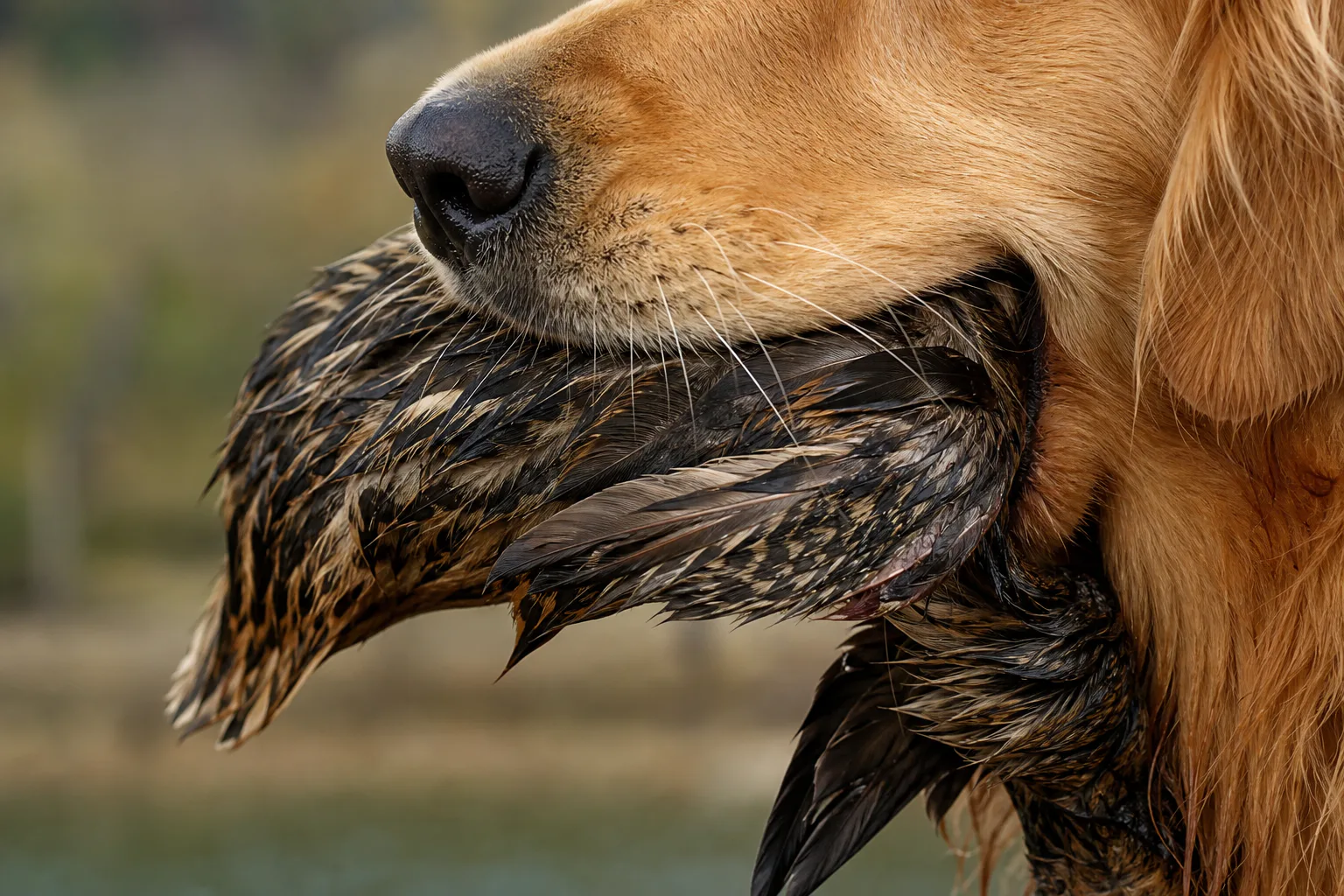
The Golden Retriever originated in Scotland as a gundog bred to retrieve hunted birds. Its soft mouth, strong swimming ability, endurance, and willingness to follow direction made it useful in the field.
Those working traits remain visible in modern dogs. Golden Retrievers often enjoy retrieving games, obedience training, field work, agility, and other activities that combine movement with cooperation.
Appearance and Size
Golden Retrievers have a balanced, athletic build rather than a narrow or delicate frame. Males measure 22–24 inches at the shoulder, while females measure 20–22 inches. Adult weight is generally 55–75 pounds.
The breed has a dense, water-resistant undercoat beneath a flat or wavy outer coat. Feathering is common around the neck, legs, tail, and underside. Coat color ranges from pale cream to deeper gold, including dark golden shades.
American Golden Retrievers
The phrase “American Golden Retriever” usually describes a regional type or breeding style rather than a separate breed. Individual dogs can differ in build, coat shade, and energy level, so prospective owners should assess the parents, health records, temperament, and purpose of a specific litter.
Temperament and Personality
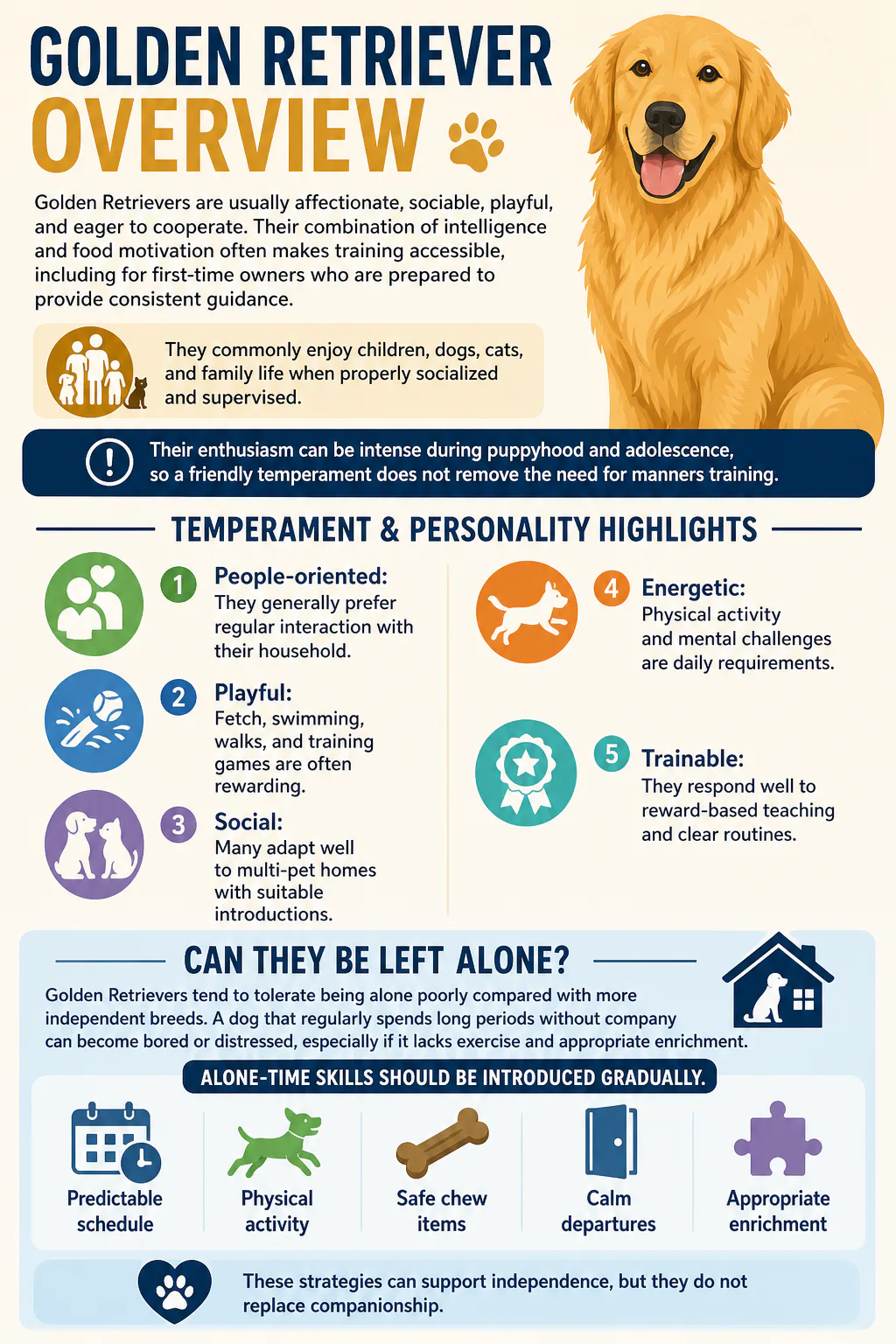
Golden Retrievers are usually affectionate, sociable, playful, and eager to cooperate. Their combination of intelligence and food motivation often makes training accessible, including for first-time owners who are prepared to provide consistent guidance.
They commonly enjoy children, dogs, cats, and family life when properly socialized and supervised. Their enthusiasm can be intense during puppyhood and adolescence, so a friendly temperament does not remove the need for manners training.
- People-oriented: They generally prefer regular interaction with their household.
- Playful: Fetch, swimming, walks, and training games are often rewarding.
- Social: Many adapt well to multi-pet homes with suitable introductions.
- Energetic: Physical activity and mental challenges are daily requirements.
- Trainable: They respond well to reward-based teaching and clear routines.
Can They Be Left Alone?
Golden Retrievers tend to tolerate being alone poorly compared with more independent breeds. A dog that regularly spends long periods without company can become bored or distressed, especially if it lacks exercise and appropriate enrichment.
Alone-time skills should be introduced gradually. A predictable schedule, physical activity, safe chew items, and calm departures can support independence, but they do not replace companionship.
Exercise and Enrichment
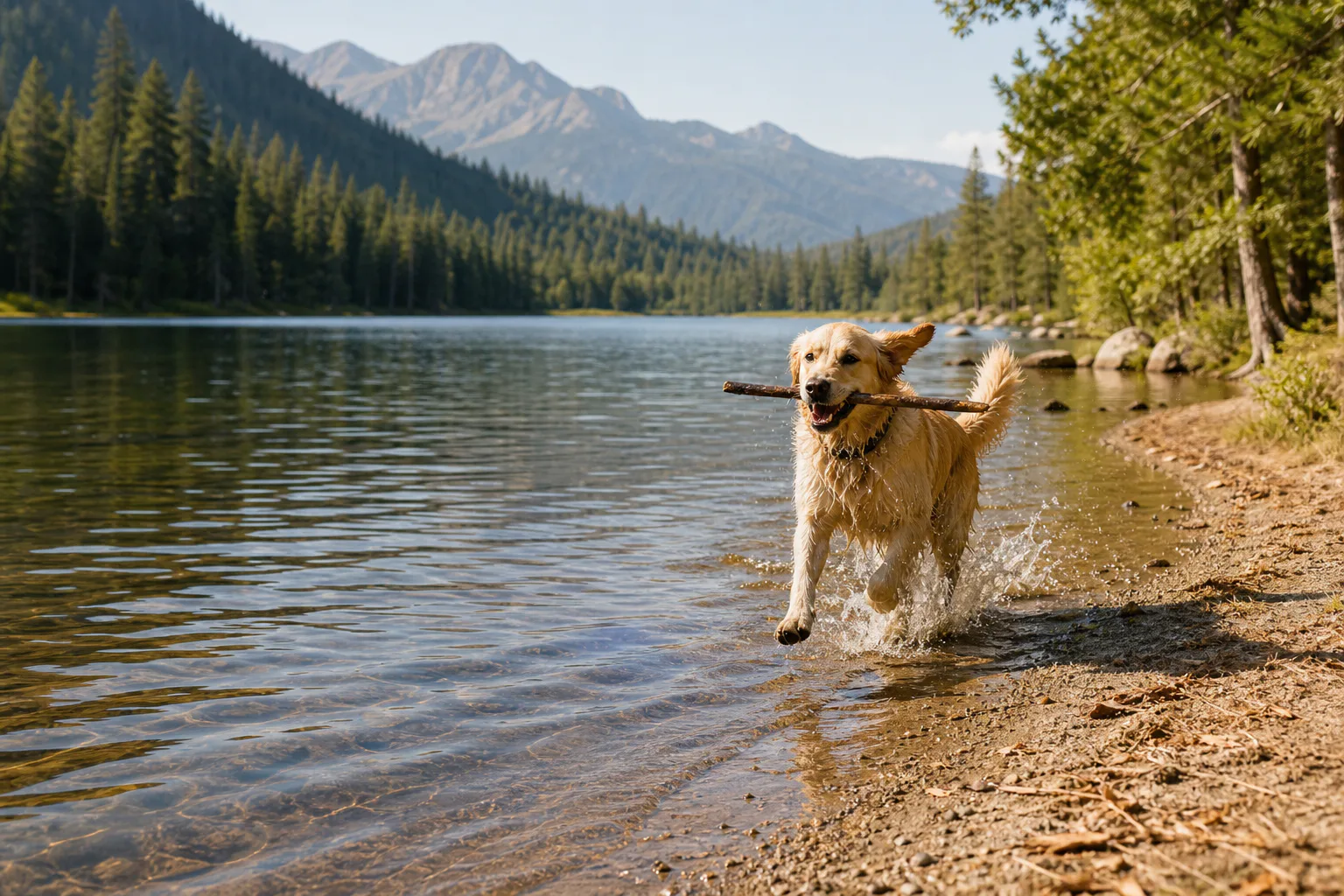
Plan on about one to two hours of daily activity for an adult Golden Retriever, adjusted for age, health, weather, and individual energy. A single walk may not be enough if the dog also needs opportunities to retrieve, explore, learn, or interact.
- Brisk walks or hikes
- Retrieving games
- Swimming in safe, supervised areas
- Obedience practice
- Scent-based games
- Food puzzles and problem-solving activities
Puppies need controlled activity rather than forced endurance exercise. Their training should emphasize gentle socialization, calm behavior, recall, handling, and appropriate play while their bodies mature.
Families comparing retriever mixes should evaluate energy, coat maintenance, adult size, and predictability rather than assuming a smaller dog will automatically require little exercise. A mini Goldendoodle can differ substantially from a Golden Retriever in size and coat, but it still requires thoughtful activity and training.
Training Needs
Golden Retrievers learn quickly, but their intelligence also means they can develop unwanted habits when their needs are unmet. Begin with short, positive sessions that reward attention, loose-leash walking, recall, settling, and polite greetings.
Early socialization should expose the puppy to people, surfaces, sounds, handling, travel, and suitable dogs in a controlled way. Avoid overwhelming the puppy; confidence develops through safe, gradual experiences rather than constant stimulation.
Common Training Priorities
- Reliable recall in safe environments
- Walking without pulling
- Impulse control around food, toys, and visitors
- Calm greetings
- Comfort with grooming and ear checks
- Settling indoors after exercise
Grooming and Shedding
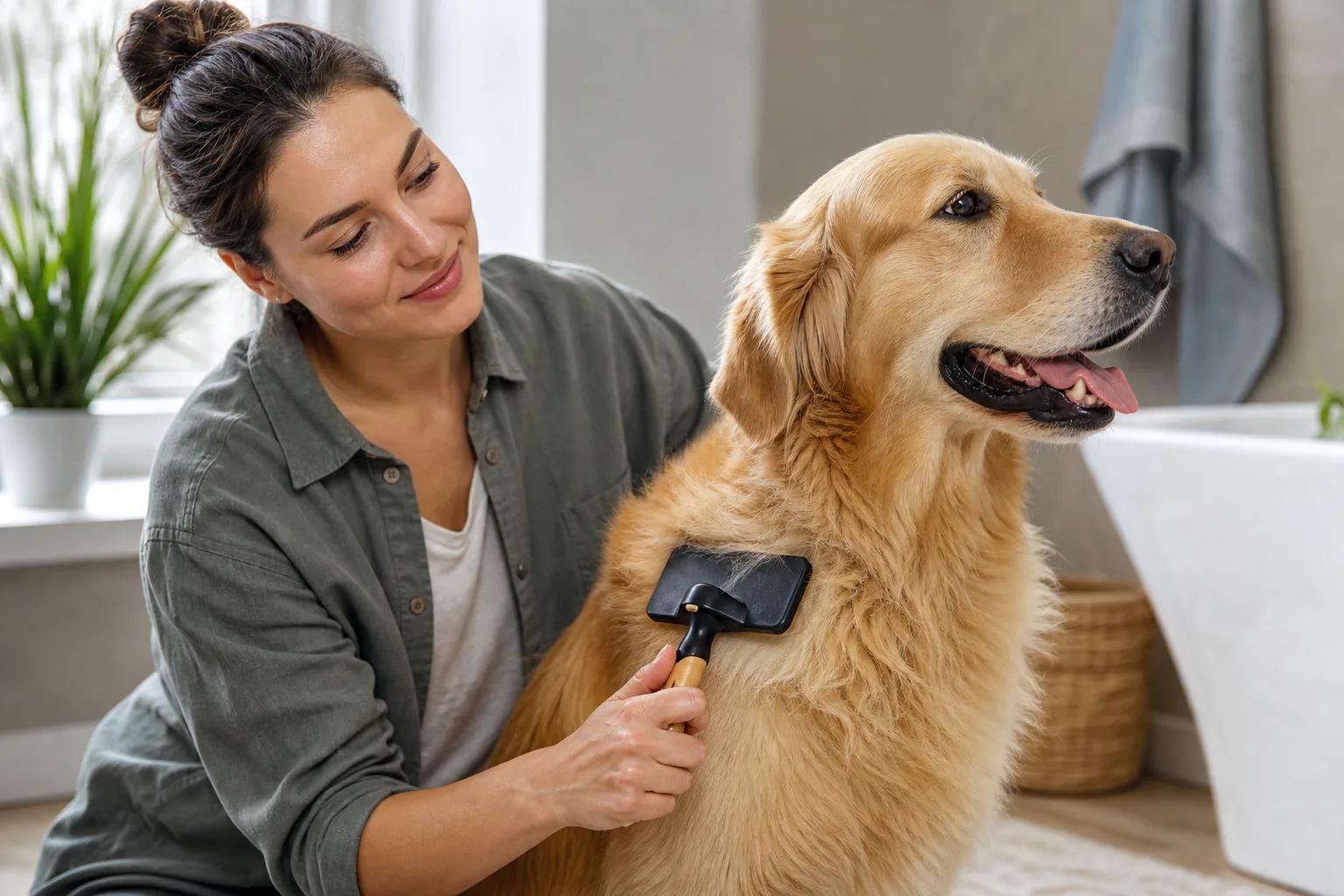
Golden Retrievers shed heavily, with additional seasonal shedding in many dogs. Regular brushing helps remove loose hair and prevents tangles in feathered areas, but no brushing routine eliminates shedding from the home.
Brush the coat regularly, often every other day, and check the ears, paws, tail, and feathering. Bathe the dog when necessary, keep nails at a suitable length, and use routine dental care recommended by a veterinary professional.
Do not shave the double coat for ordinary heat management. Instead, provide shade, water, ventilation, and activity during cooler parts of the day.
Health and Veterinary Care
Golden Retrievers can be affected by inherited and age-related health problems. Responsible breeding includes appropriate health screening, transparent records, and careful selection of breeding animals, while routine veterinary care helps identify problems early.
Owners should maintain preventive care, weight control, dental hygiene, parasite protection, and regular examinations. Ask a veterinarian about a suitable vaccination, screening, nutrition, and exercise plan for the individual dog.
Seek veterinary advice promptly for persistent changes in appetite, energy, breathing, mobility, digestion, skin, ears, or behavior. A healthy weight is especially important for a large, active breed because excess weight increases physical strain.

Golden Retriever Puppies
A Golden Retriever puppy requires more than food, vaccinations, and a soft bed. The first months should establish house training, bite inhibition, safe socialization, grooming tolerance, crate or rest routines, and calm behavior around ordinary household activity.
Choose a breeder or rescue organization that discusses temperament, health history, socialization, contracts, and lifelong support. Avoid selecting a puppy solely by coat shade, size, or the promise of an unusually rare appearance.
Preparing the Home
- Remove toxic foods, medications, chemicals, and unsafe plants.
- Secure electrical cords, small objects, and accessible rubbish.
- Set up a quiet rest area and safe confinement space.
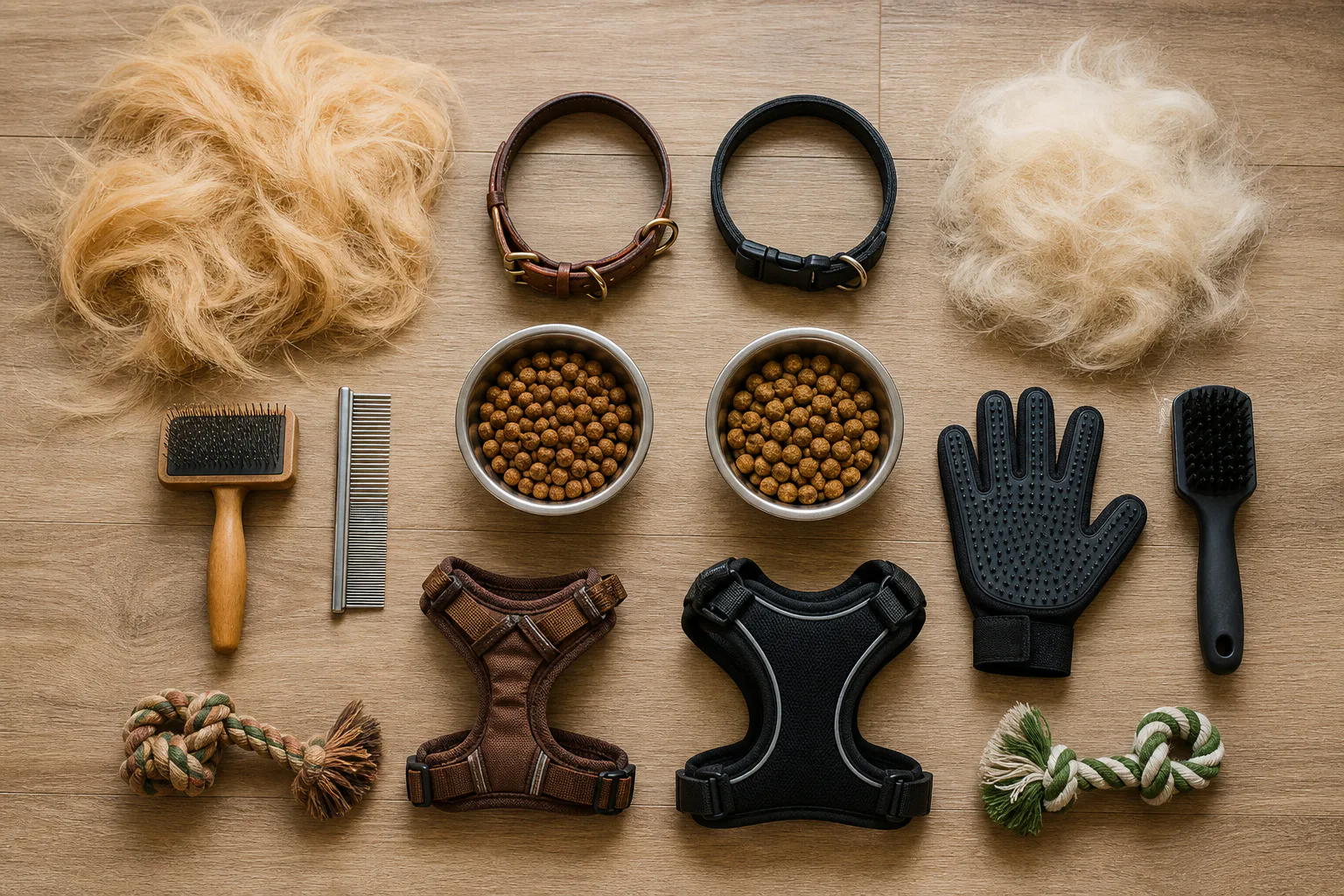
- Buy grooming tools, training treats, identification, and suitable toys.
- Arrange a veterinary appointment and a realistic daily routine.
Cost and Long-Term Commitment
The purchase price is only one part of Golden Retriever ownership. Budget for food, routine veterinary care, preventive treatments, grooming supplies, training, identification, boarding or pet sitting, and unexpected medical expenses.
Claims about exceptionally cheap puppies deserve careful scrutiny. A price of $5,000 does not by itself prove superior health or temperament, and a low price can signal missing documentation or inadequate care. Compare health screening, breeder practices, puppy raising, and support rather than using price as the only measure.
Are Golden Retrievers the Worst?
Golden Retrievers are not the worst breed, but they can be a poor fit for a household that wants a quiet, independent, low-maintenance dog. Their exercise needs, shedding, size, enthusiasm, and need for companionship can feel demanding without adequate time and structure.
For an active family that enjoys training and outdoor activities, those same qualities are often advantages. The right question is whether the household can consistently meet the breed’s needs throughout puppyhood, adulthood, and later life.
Golden Retriever or Labrador?
Golden Retrievers and Labrador Retrievers are both large, active, trainable sporting breeds with strong family appeal. Both need exercise, social contact, training, and preparation for substantial shedding.
| Consideration | Golden Retriever | Labrador Retriever |
|---|---|---|
| Coat | Longer, feathered double coat | Short, dense double coat |
| Grooming | More brushing and feathering care | Less coat length, but heavy shedding |
| Activity | High; enjoys retrieving and varied work | High; enjoys retrieving, swimming, and active play |
| Family suitability | Strong for active, involved households | Strong for active, involved households |
Neither breed is automatically easier. The individual dog’s temperament, breeding, early experiences, training, and health should guide the decision.
Frequently Asked Questions
What is a Golden Retriever’s lifespan?
The typical lifespan is 10–12 years. Nutrition, preventive care, genetics, healthy weight, exercise, and timely veterinary attention all influence an individual dog’s wellbeing.
Do Golden Retrievers shed a lot?
Yes. Golden Retrievers have a double coat and shed heavily, so regular brushing and ongoing household hair management are necessary.
Are dark Golden Retrievers a separate breed?
No. Dark Golden Retrievers are Golden Retrievers with a deeper gold coat shade. Coat color does not establish a separate breed or guarantee a particular temperament.
Are Golden Retrievers good for first-time owners?
They can be, provided the owner has time for daily exercise, training, grooming, companionship, and veterinary care. Their trainability helps, but their size, energy, shedding, and social needs still require serious preparation.
How much exercise does a Golden Retriever need?
Many adult Golden Retrievers need about one to two hours of daily exercise, along with mental enrichment. Puppies need age-appropriate activity and should not be pushed into strenuous endurance exercise.
Is a Golden Retriever Right for You?
A Golden Retriever is a practical choice for an active household that wants a social, responsive companion and can accept shedding and regular care. Before bringing one home, assess your daily schedule, outdoor access, training time, grooming tolerance, budget, and plan for companionship.
If those requirements fit your lifestyle, focus on a healthy, well-socialized individual from a responsible source. The best match is not the most expensive or darkest-coated puppy, but the dog whose needs and temperament align with your household.