Afghan Hound Dog Overview: Size, Care, Temperament & More
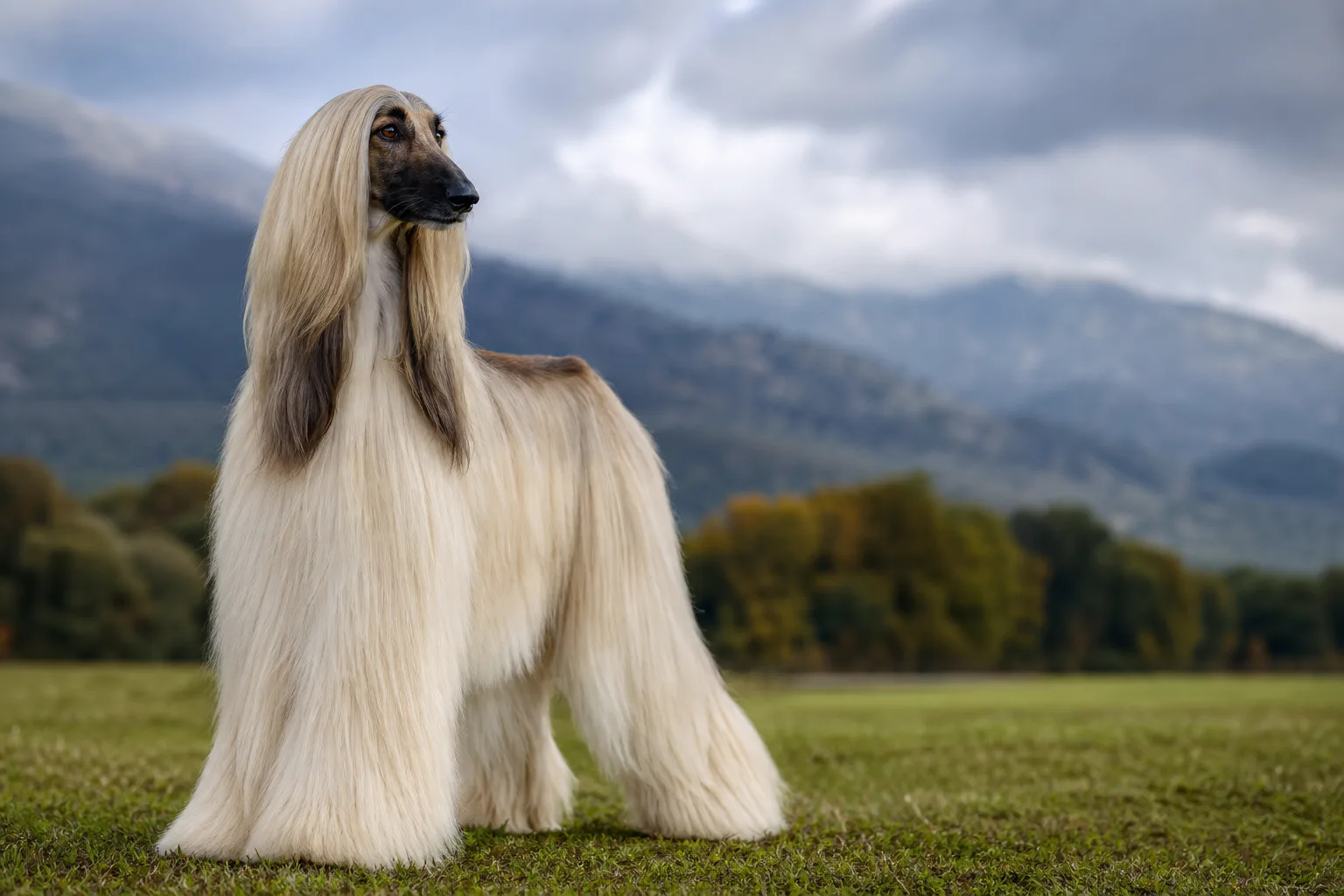
The Afghan Hound Dog Overview begins with a striking contrast: this elegant sighthound looks theatrical, yet its character is often independent, sensitive, and quietly affectionate. Originating in Afghanistan, the breed was developed to pursue fast prey across demanding terrain. This guide explains its size, history, temperament, exercise needs, grooming routine, training style, health considerations, and suitability for different homes.
Afghan Hound At a Glance
| Trait | Typical information |
|---|---|
| Origin | Afghanistan |
| Type | Sighthound |
| Height | 24–29 inches, or 61–73 centimeters |
| Weight | 44–60 pounds, or 20–27 kilograms |
| Coat | Long, fine, and silky |
| Tail | Long with a distinctive ring curl |
| Litter size | Usually 6–8 puppies |
| Average lifespan | About 12–14 years |
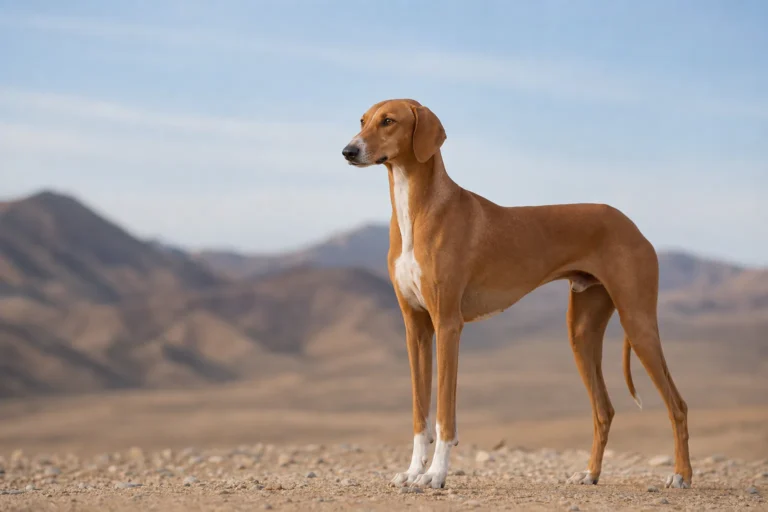
Afghan Hounds are medium-large, slim dogs with long limbs, a powerful jaw, and a flowing coat. Their appearance varies somewhat by line and terrain type, but the breed is consistently athletic, graceful, and built for speed rather than heavy muscular work.
History and Purpose
The Afghan Hound developed in Afghanistan, where its thick coat helped protect it from harsh mountain conditions. Its ancestors are associated with sighthounds such as the Saluki, and the breed’s long coat became especially valuable in colder, rugged areas.
These dogs were hunting companions for Afghan nomads. They pursued deer, gazelle, hare, foxes, and other challenging prey, including larger animals in some historical accounts. Their hunting style depended on excellent eyesight, acceleration, endurance, and the ability to make independent decisions far from the handler.
That working background explains why an Afghan Hound can appear reserved or self-directed in a modern household. It was not bred to wait for constant instructions, and its intelligence does not always translate into eager obedience.
Appearance and Size
Athletic proportions
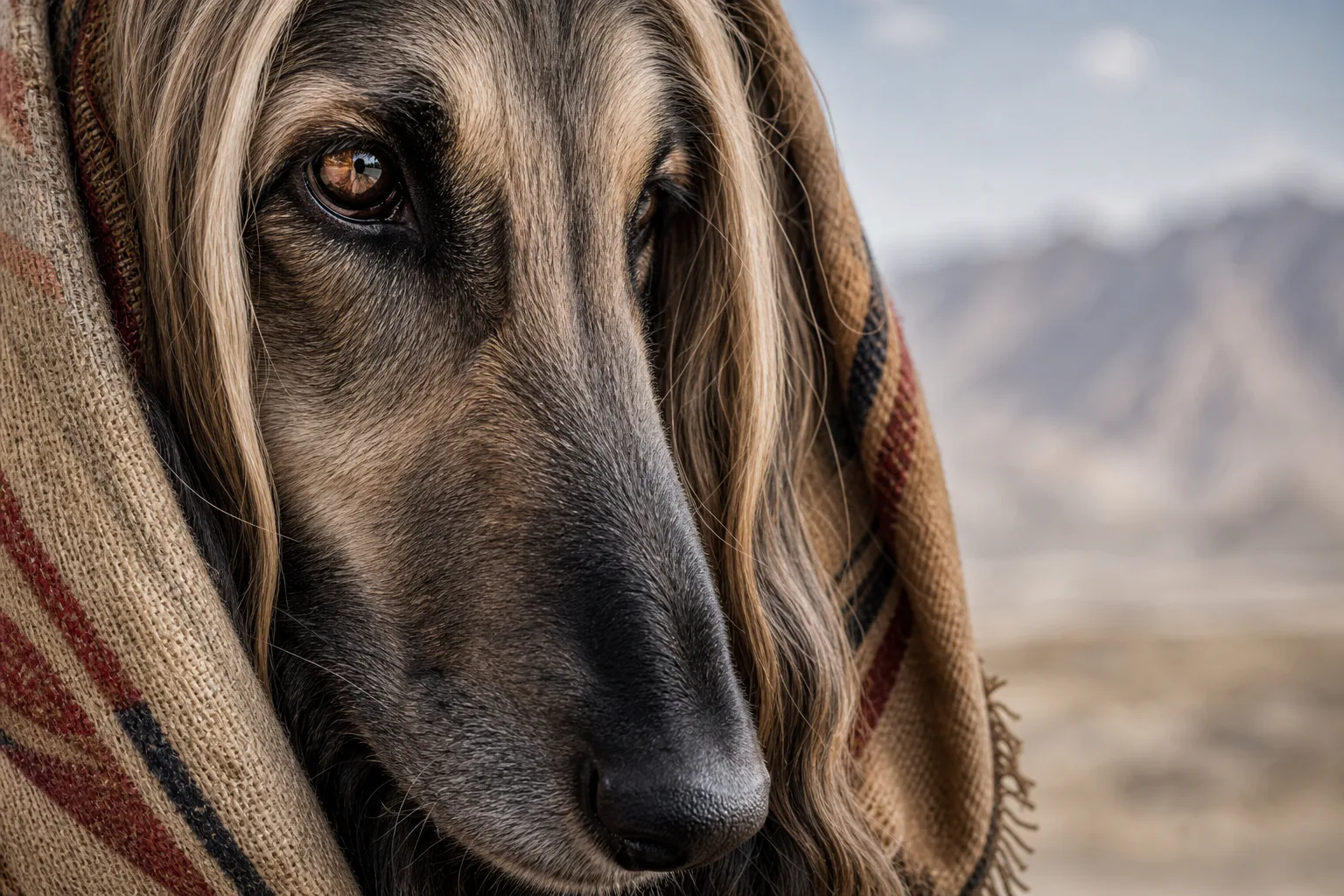
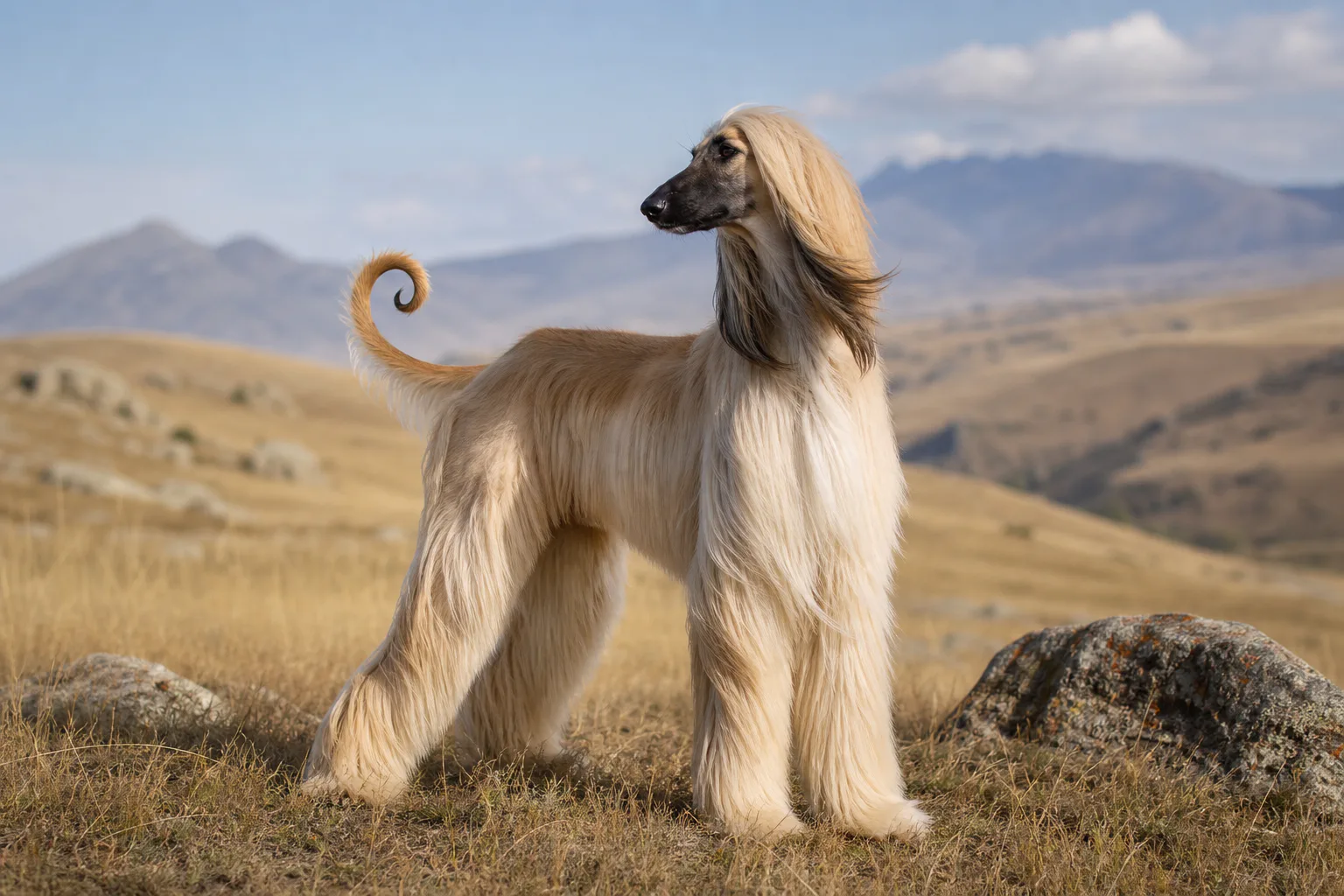
An adult Afghan Hound usually stands between 24 and 29 inches at the shoulder and weighs 44 to 60 pounds. The body is lean, deep-chested, and long-legged, with a proud head carriage and a distinctive profile.
The breed’s tail ends in a ring curl, one of its most recognizable features. Long ears, a pronounced jaw, and a narrow waist reinforce the refined silhouette associated with sighthounds.
The signature coat
The coat is long, fine, and silky, with shorter hair across the face and back in mature dogs. Coat colors vary, and the texture is more important to the breed’s identity than a single color pattern.
An Afghan Hound puppy does not look exactly like a finished adult. The coat develops gradually, so owners should be prepared for changing texture, length, and grooming demands during adolescence.
Afghan Hound Temperament
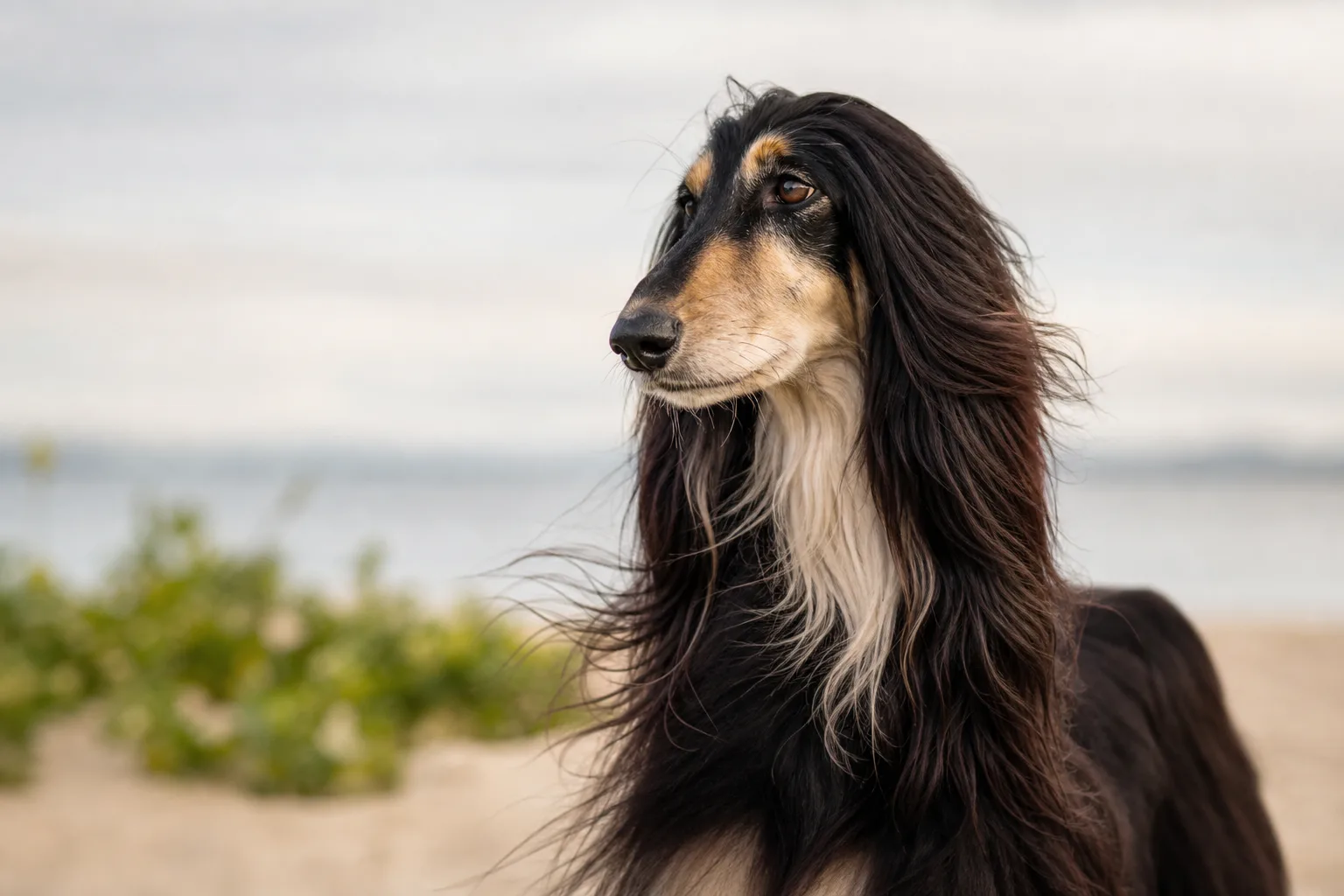
Afghan Hounds are independent, self-confident, and sensitive. They often form strong attachments to their families but do not always seek attention constantly. Around trusted people, many are gentle, humorous, and surprisingly playful.
With unfamiliar people, the breed can be aloof rather than openly social. Early, calm socialization helps a puppy learn how to respond appropriately to visitors, other dogs, household activity, and new environments.
Afghan Hounds are not defined by aggression. Any dog can show defensive or reactive behavior if it is frightened, poorly socialized, in pain, or handled improperly, so responsible breeding, training, supervision, and veterinary care remain essential.
Exercise and Daily Life
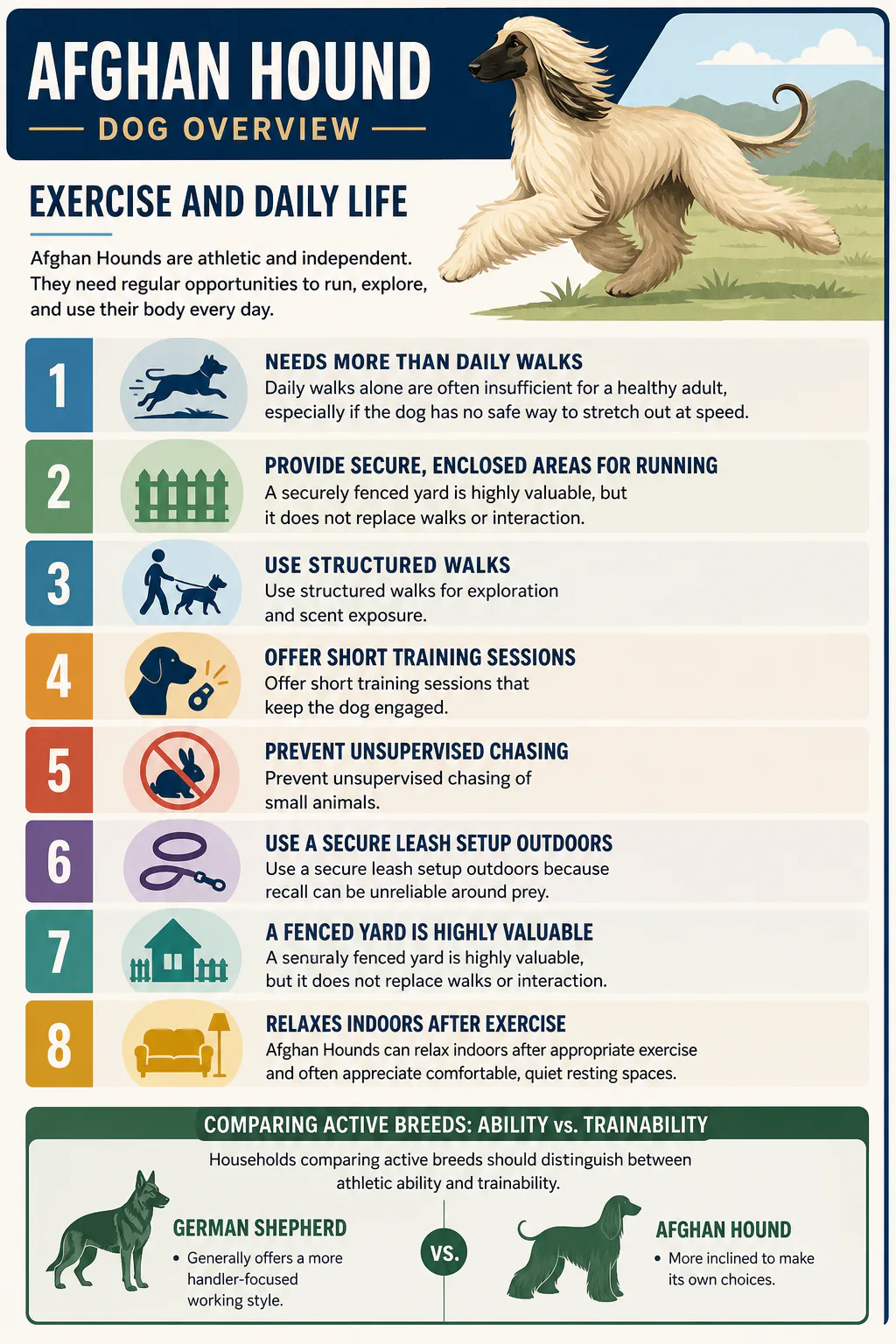
This is an athletic breed that needs regular opportunities to run, explore, and use its body. Daily walks alone are often insufficient for a healthy adult, especially if the dog has no safe way to stretch out at speed.
- Provide secure, enclosed areas for running.
- Use structured walks for exploration and scent exposure.
- Offer short training sessions that keep the dog engaged.
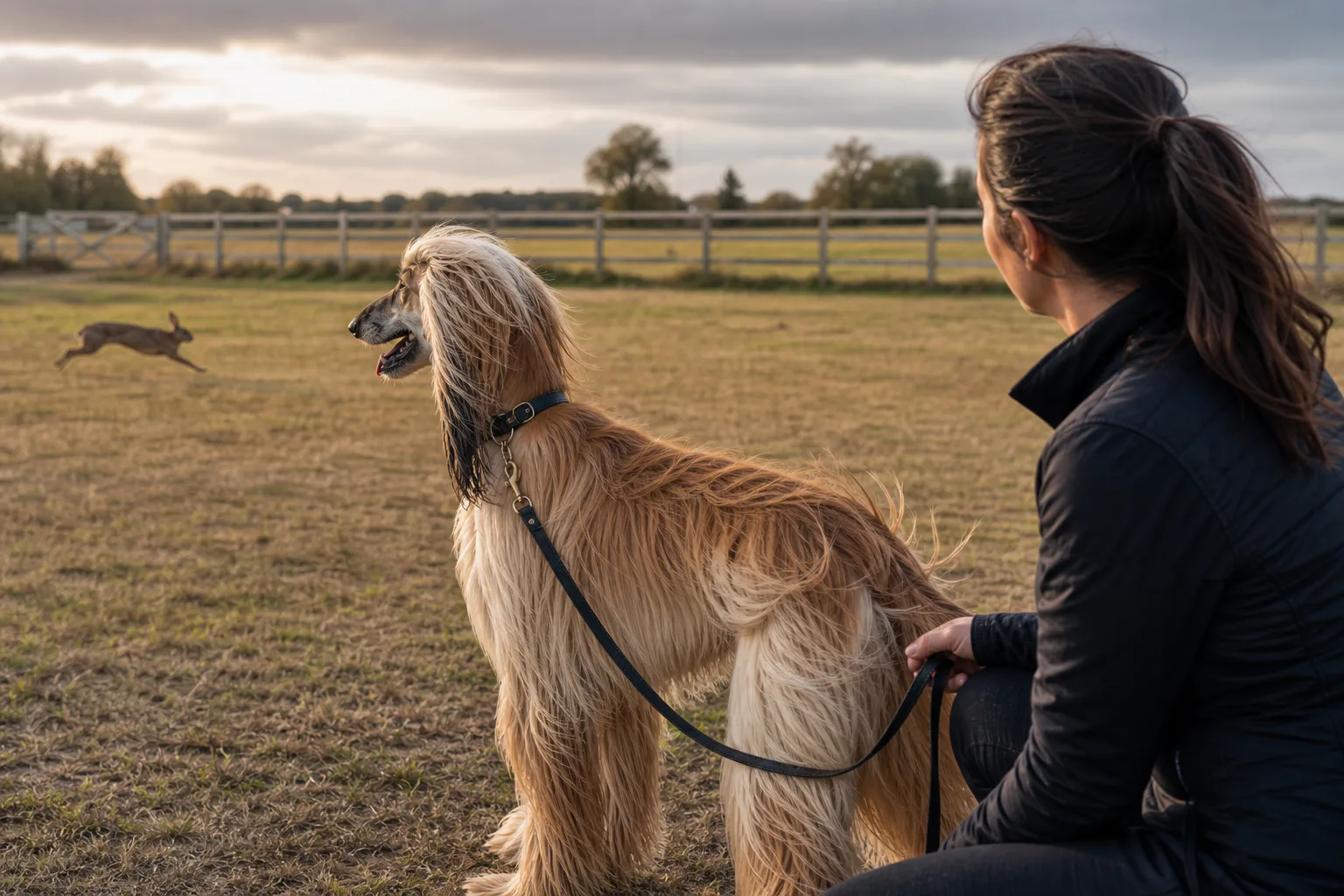
- Prevent unsupervised chasing of small animals.
- Use a secure leash setup outdoors because recall can be unreliable around prey.
A securely fenced yard is highly valuable, but it does not replace walks or interaction. Afghan Hounds can relax indoors after appropriate exercise and often appreciate comfortable, quiet resting spaces.
Households comparing active breeds should distinguish between athletic ability and trainability. A German Shepherd generally offers a more handler-focused working style, while the Afghan Hound is more inclined to make its own choices.
Training Approach
Training works best when it is consistent, respectful, and based on clear rewards. Afghan Hounds are sensitive to harsh handling, and punishment can damage trust without producing dependable behavior.
What works well
- Keep sessions brief and purposeful.
- Reward correct responses immediately.
- Practice in low-distraction settings before adding challenges.
- Use management, gates, and leashes to prevent unwanted chasing.
- Start recall training early and maintain it throughout adulthood.
Obedience can be good, but it is rarely the breed’s defining strength. The realistic goal is reliable household manners and safe behavior, not the constant precision expected from a highly biddable working breed.
Grooming Requirements
The Afghan Hound’s coat is beautiful but demanding. Long, fine hair tangles easily, particularly behind the ears, beneath the legs, around the collar, and near the tail.
Regular brushing and combing are necessary to remove loose hair and prevent mats. Grooming should begin during puppyhood so the dog becomes comfortable with handling, bathing, drying, ear care, nail trimming, and extended coat maintenance.
- Check the coat frequently for tangles and hidden mats.
- Use suitable brushes and combs for fine, flowing hair.
- Pay special attention to friction areas.
- Keep ears, nails, and paw hair maintained as needed.
- Plan professional grooming if home maintenance is difficult.
Owners who want a lower-maintenance coat should compare grooming demands before choosing a breed. A Golden Retriever still requires regular brushing, but its coat care is generally less intricate than the Afghan Hound’s long, silky hair.

Health and Lifespan
The average Afghan Hound lifespan is about 12 to 14 years. Reaching that age depends on genetics, preventive veterinary care, nutrition, exercise, dental care, weight management, and early attention to changes in behavior or mobility.
Prospective owners should choose breeders who prioritize sound structure, stable temperament, appropriate health screening, and responsible puppy placement. A veterinary professional can also explain breed-specific risks and recommend a preventive-care schedule for an individual dog.
Because Afghan Hounds are lean, owners should monitor body condition rather than judging health by weight alone. A visible waist and abdominal tuck are normal sighthound features, but marked weight loss, weakness, persistent coughing, digestive changes, or reduced activity require veterinary evaluation.
Feeding and Home Care
Afghan Hounds need a complete diet matched to their age, activity level, and body condition. Puppies, adults, and older dogs have different nutritional needs, so feeding plans should be reviewed as the dog grows.
Fresh water should always be available. Measured meals help prevent overfeeding, while regular body-condition checks are more useful than relying on a fixed portion for every dog.
Secure containment is especially important. The breed’s prey drive and speed make open areas near roads, wildlife, or unfamiliar dogs unsafe without reliable physical barriers.
Is an Afghan Hound Right for You?
An Afghan Hound can suit an experienced owner who values elegance, independence, and a close but understated relationship with a dog. It is a strong choice for someone prepared to provide secure exercise areas, patient training, and substantial coat care.
It is less suitable for a household seeking instant obedience, minimal grooming, or a dog that welcomes every stranger. Families with children should supervise interactions and teach children to respect the dog’s space, especially during rest and grooming.
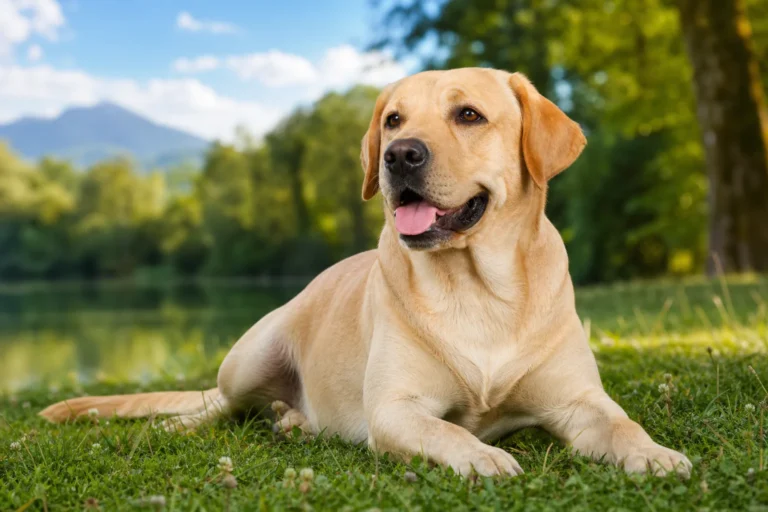
People comparing family companions often find that a Labrador Retriever is more openly sociable and eager to cooperate, whereas the Afghan Hound brings a quieter, more independent temperament.
Cost and Ownership Commitment
Afghan Hound prices vary by breeder, pedigree, location, health testing, registration, and whether the dog is intended as a companion or for competition. A responsible purchase should include more than the initial price: grooming, veterinary care, training, food, secure fencing, supplies, and possible boarding all affect the long-term budget.
Before searching for an Afghan Hound for sale, ask about health records, puppy socialization, parent temperament, contracts, and the breeder’s willingness to take a dog back if circumstances change. Avoid choosing solely on coat color, photographs, or the lowest asking price.
Frequently Asked Questions
What is the average lifespan of an Afghan dog?
An Afghan Hound commonly lives about 12 to 14 years. Preventive veterinary care, responsible breeding, appropriate nutrition, safe exercise, and maintaining a healthy body condition support long-term wellbeing.
How much do Afghan Hounds cost?
The purchase price varies widely by breeder, pedigree, location, health testing, and intended purpose. Prospective owners should also budget for recurring grooming, veterinary care, food, training, safe fencing, and other lifetime expenses.
Can Afghan Hounds be aggressive?
Afghan Hounds are not inherently aggressive. They are often reserved with strangers, and fearful, painful, or poorly socialized dogs can react defensively, so early socialization, humane training, supervision, and veterinary attention are important.
What is special about Afghan Hounds?
The breed combines a distinctive long, silky coat with unusual athletic ability, independence, and a ring-curled tail. Its history as a sighthound also gives it exceptional speed, strong visual prey drive, and a tendency to think independently during pursuit.
Are Afghan Hounds easy to train?
They can learn well, but they are not usually eager to obey every command repeatedly. Short reward-based sessions, consistent boundaries, and careful management work better than forceful methods.
Final Considerations
The Afghan Hound is best understood as an athletic, sensitive sighthound with demanding grooming needs and an independent mind. Choose this breed for its complete lifestyle requirements, not only its glamorous appearance, and plan from the beginning for secure exercise, patient training, and regular coat care.