Affenpinscher Dog Breed: Size, Temperament and Care
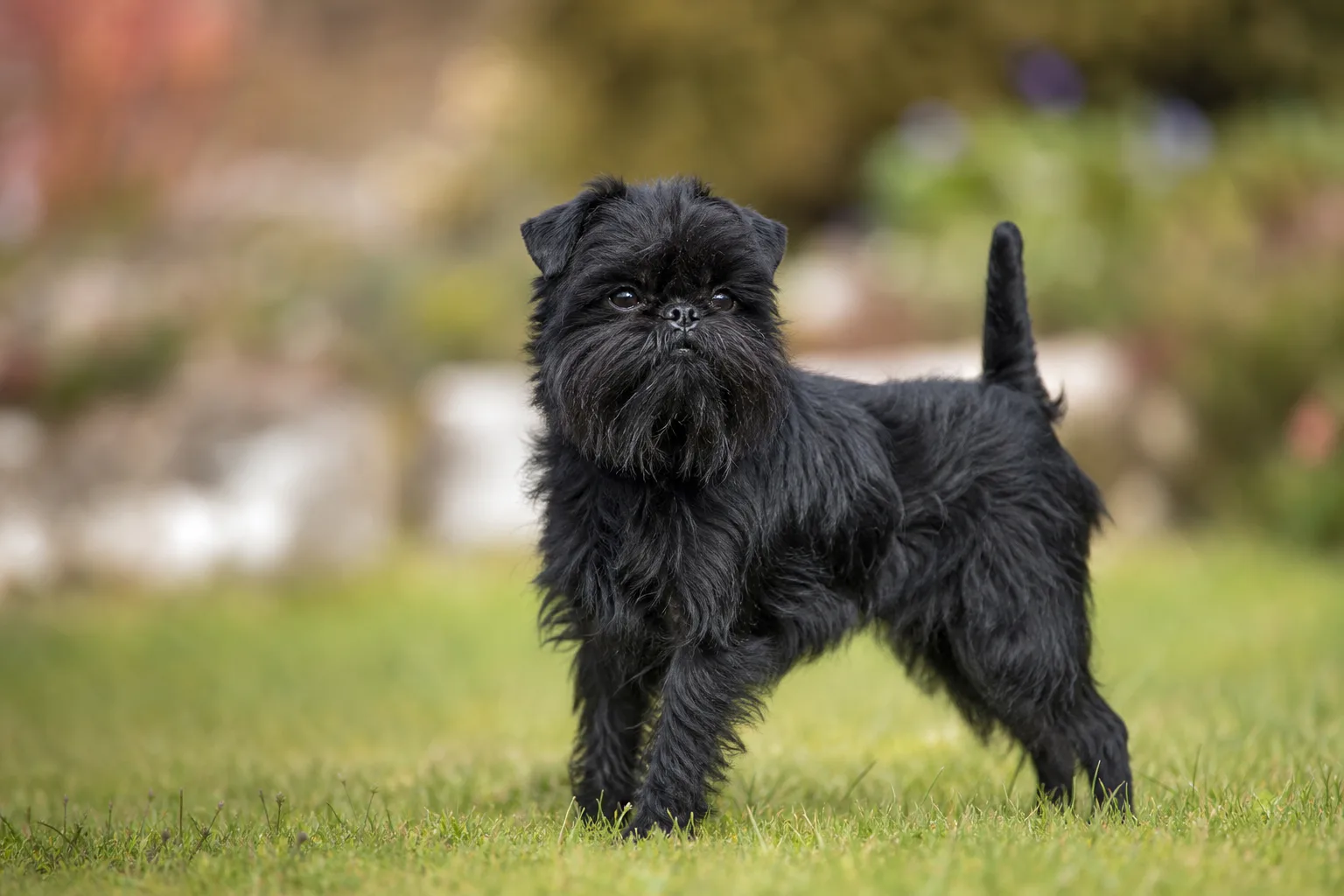
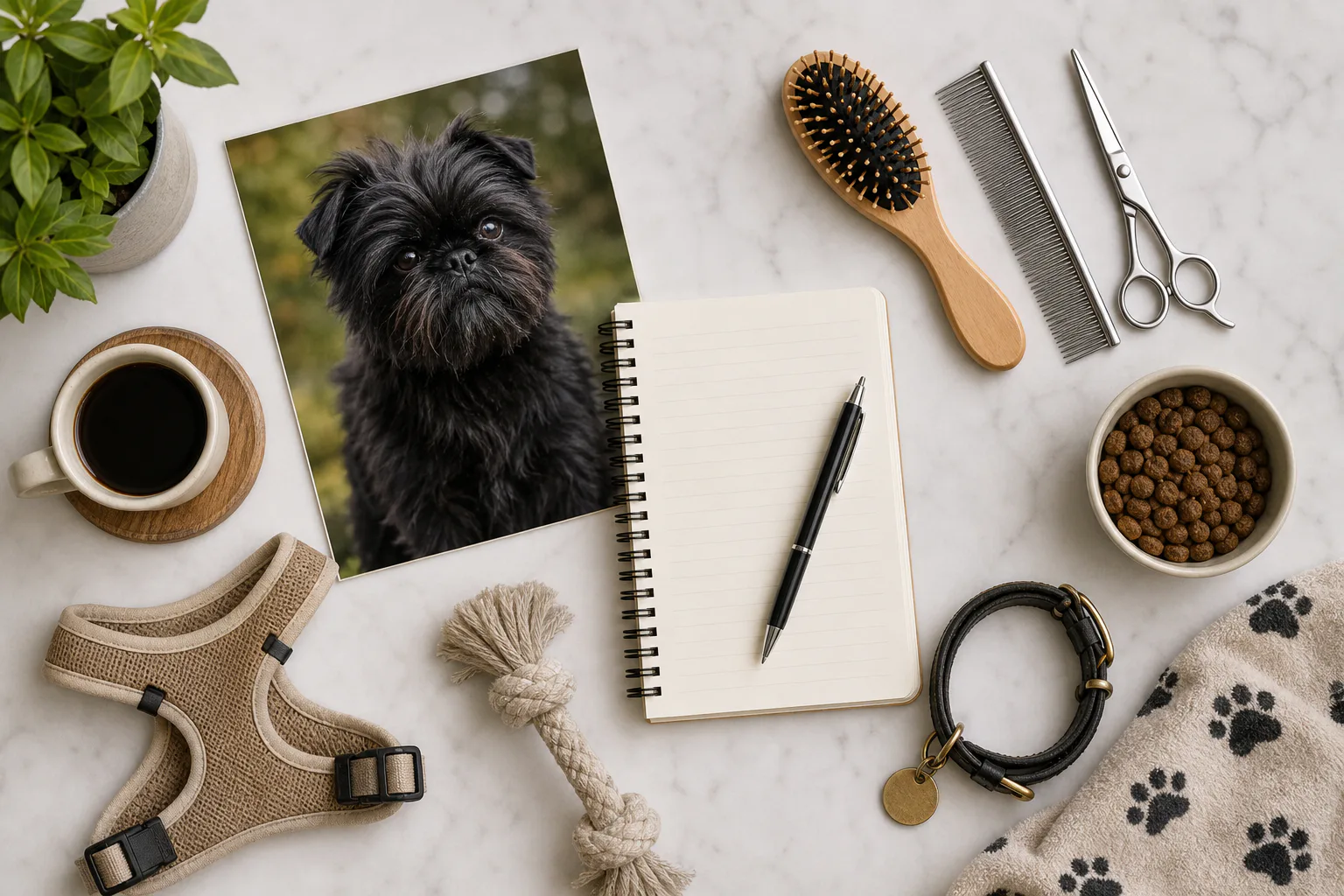
The Affenpinscher Dog Breed is a small German companion with a wiry coat, expressive face, and a much bolder personality than its size suggests. It can be loyal, curious, funny, and fearless, but it also needs patient training, regular grooming, and a household that respects its limits. This guide explains the breed’s size, temperament, care needs, health considerations, family suitability, shedding, and puppy costs.
Affenpinscher at a Glance
| Characteristic | Typical details |
|---|---|
| Origin | Germany |
| Type | Small toy breed with a terrier-like character |
| Height | About 9 to 12 inches at the shoulder |
| Weight | About 7 to 10 pounds, with some standards listing a broader range |
| Coat | Dense, coarse, shaggy, and wire-haired |
| Common colors | Black, gray, silver, black and tan, and ruddy brown |
| Energy level | Moderate, with a playful and alert nature |
History and Purpose
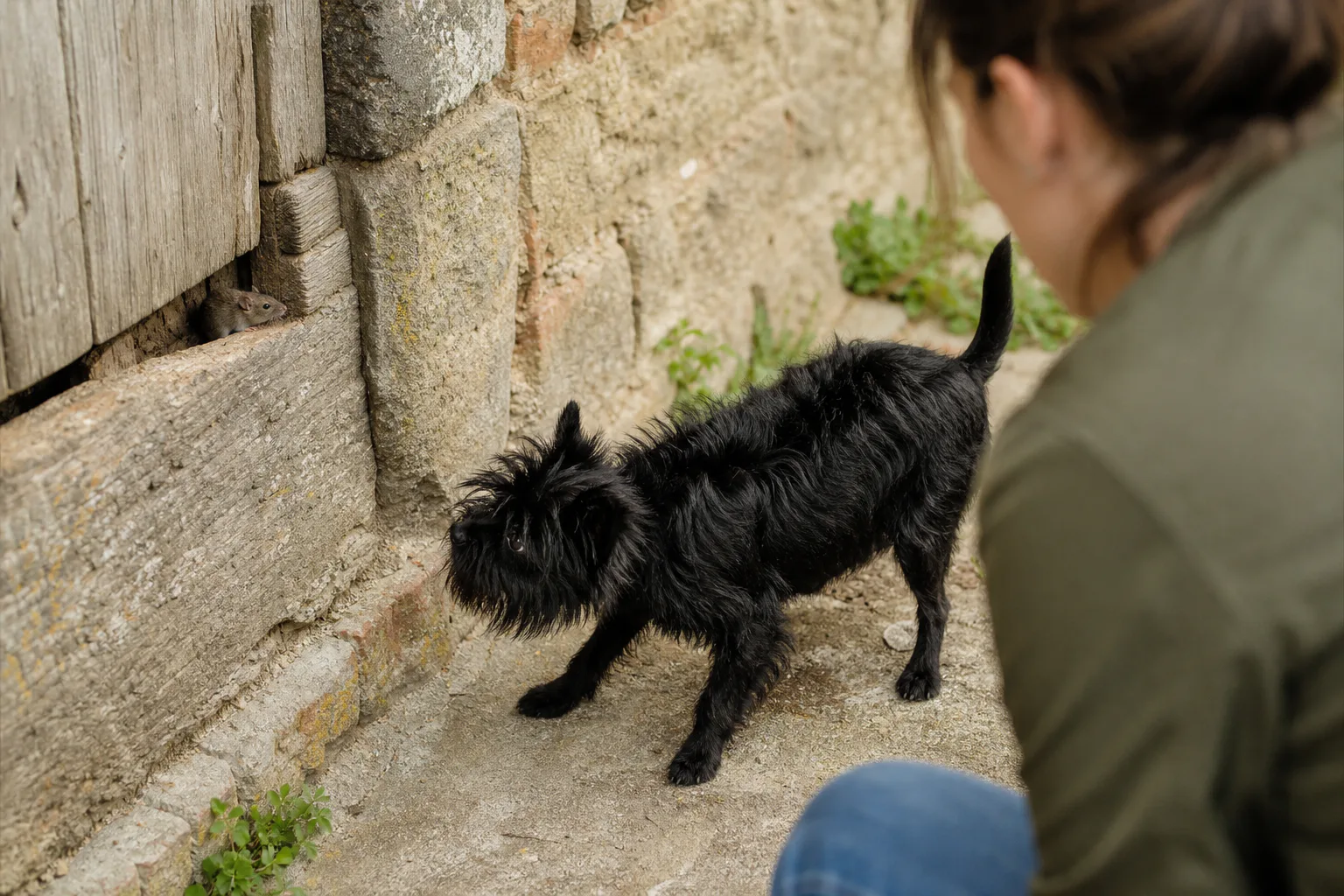
The Affenpinscher developed in Germany several centuries ago, with roots reaching back to the 1600s. Earlier dogs of this type worked around homes, shops, and stables, where their small size and determined nature helped them control rats and other pests.
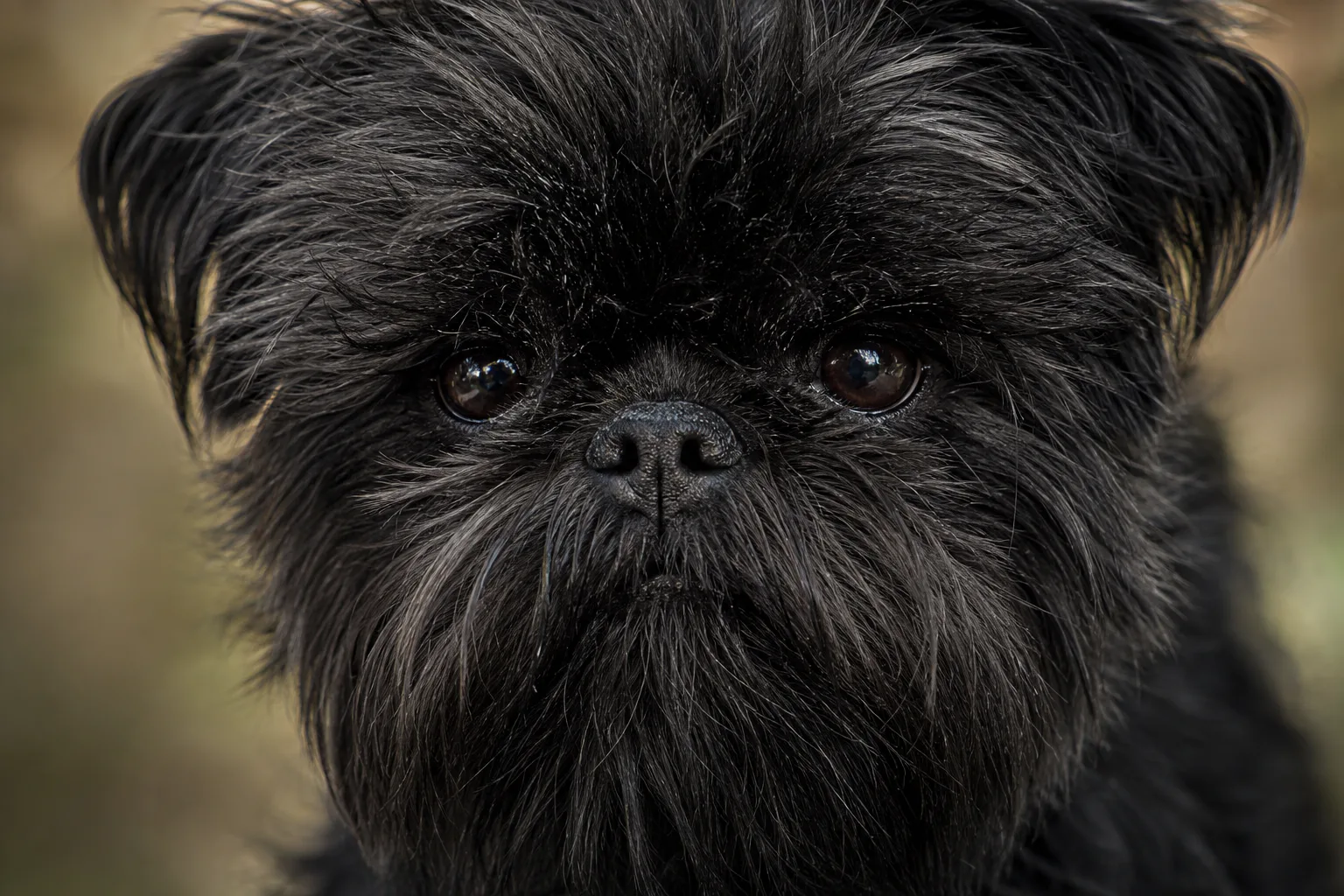
Over time, the breed became more focused on companionship. Its nickname, “monkey dog,” refers to the rounded facial expression, prominent eyes, beard, and alert manner that give the Affenpinscher its distinctive appearance. The breed remains compact and sturdy rather than delicate.
Appearance and Size
Compact but sturdy
An adult Affenpinscher generally stands about 9 to 12 inches tall and weighs approximately 7 to 10 pounds. Breed standards and individual dogs can vary, so body condition is more useful than a number on the scale. A healthy dog should have a defined waist and ribs that can be felt beneath a moderate layer of tissue.
The body is compact and broad-chested, with a confident posture that contributes to the breed’s fearless impression. Its head is one of its defining features, framed by facial furnishings that include a beard and mustache.
Coat colors and texture
The coat is dense, coarse, and shaggy rather than soft and silky. Black is strongly associated with the breed, but recognized color descriptions also include gray, silver, black and tan, and ruddy brown. A red or ruddy Affenpinscher is less commonly seen than a black dog but has the same basic breed characteristics.
Owners looking for an Affenpinscher for sale should evaluate the dog’s structure, movement, behavior, and breeder practices rather than choosing only by coat color. Color should never outweigh sound health and stable temperament.
Temperament
The Affenpinscher Dog Breed is curious, alert, affectionate with familiar people, and often comical in everyday situations. It is also an independent thinker. This combination can produce a charming companion, but it means the dog may question instructions that seem repetitive or unrewarding.
Despite its toy-dog classification, the Affenpinscher often behaves like a small terrier. It can be watchful, determined, and ready to investigate unfamiliar sounds. Early socialization helps the dog learn that visitors, household activity, handling, and other animals are normal parts of life.
Are Affenpinschers aggressive?
Affenpinschers are not inherently aggressive, but they can be assertive, territorial, or reactive if they are poorly socialized or handled roughly. Their small size can also lead owners to excuse barking, snapping, or guarding behavior that would be addressed more promptly in a larger dog.
Use reward-based training and set consistent boundaries from puppyhood. Supervise interactions with unfamiliar dogs and children, especially because an Affenpinscher may respond defensively if it feels cornered or mishandled.
Is It a Good Family Dog?
An Affenpinscher can be a good family dog for a calm household that understands small-breed behavior. It often forms a close bond with its people and enjoys play, short walks, training games, and time nearby. However, it is not the best choice for every family.
- It can be suitable for older children who know how to handle a small dog gently.
- It may struggle with toddlers who grab, chase, or carry dogs without supervision.
- It can live in an apartment if it receives daily activity and mental stimulation.
- It needs protection from rough play and accidental falls because of its small frame.
- It may not readily tolerate every dog, cat, or small household animal.
Families comparing small companion breeds should consider daily routine, noise tolerance, grooming time, and supervision needs rather than size alone. A larger breed such as a German Shepherd has very different exercise and training demands, which illustrates why lifestyle fit matters more than appearance.
Exercise and Training
The Affenpinscher has moderate exercise needs. Several short walks, indoor play sessions, and brief training exercises can provide useful activity, provided the dog also has opportunities to sniff and explore safely.
Training should be consistent, upbeat, and divided into short sessions. The breed is intelligent but can be stubborn, so rewards, clear cues, and repetition usually work better than physical corrections or long drills.
- Begin house-training and handling practice early.
- Teach a reliable recall before allowing off-leash activity.
- Practice polite greetings to reduce jumping and defensive barking.
- Use puzzle toys and scent games to occupy the dog indoors.
- Teach children to leave the dog alone while it eats or rests.
Although it is small, the Affenpinscher can enjoy organized activities such as obedience, agility adapted to its size, conformation, and Barn Hunt. Its historic interest in vermin control also makes scent-based games a natural form of enrichment.
Grooming and Shedding
Coat maintenance
The coarse coat needs regular brushing and combing to prevent mats, particularly around the beard, legs, chest, and behind the ears. Hand-stripping is used in some show-grooming programs to preserve the characteristic texture, while many companion owners choose a practical trim from a groomer familiar with wire-haired coats.
Routine care should also include nail trimming, ear checks, tooth brushing, and gentle handling of the face. Starting these habits when the dog is young makes future grooming less stressful.
Do Affenpinschers shed?
Affenpinschers shed, but their wiry coat often releases less loose hair than the coats of many other dogs. No dog is completely free of shedding or household allergens, and an Affenpinscher should not be treated as a guaranteed hypoallergenic breed.
People with allergies should spend time with adult dogs before committing to a puppy. Regular grooming can reduce loose hair in the home, but it does not remove the proteins that trigger allergic reactions.
Health and Veterinary Care
As with any purebred dog, responsible ownership includes preventive veterinary care, weight management, dental care, and attention to changes in movement, breathing, appetite, or behavior. Small dogs can also develop dental crowding, making regular tooth care particularly important.
Health concerns discussed in connection with the breed include patellar luxation, Legg-Calvé-Perthes disease, eye problems, and certain heart conditions. These risks do not mean that every Affenpinscher will develop them, but prospective owners should ask breeders about health screening and veterinary records for the parents.
- Keep the dog lean to reduce unnecessary stress on the joints.
- Use a harness that fits securely without restricting breathing.
- Prevent high jumps from furniture and unsafe stair use.
- Schedule routine dental assessments and home tooth brushing.
- Discuss breed-appropriate screening with a veterinarian.
A daily record of appetite, activity, and weight can help owners spot gradual changes. A dog age calculator can provide a general life-stage estimate, but it does not replace veterinary advice or an individualized health plan.

Feeding and Daily Care
Feed a complete diet appropriate for a small dog’s age, activity level, and medical needs. Portion control matters because even modest weight gain is significant on a seven- to ten-pound frame. Follow the food manufacturer’s guidance as a starting point, then adjust with veterinary input and body-condition checks.
Fresh water should always be available. Treats are useful during training, but they should remain a small part of the daily intake. Because the breed is alert and people-oriented, it benefits from predictable rest periods as well as play and interaction.
Choosing a Puppy
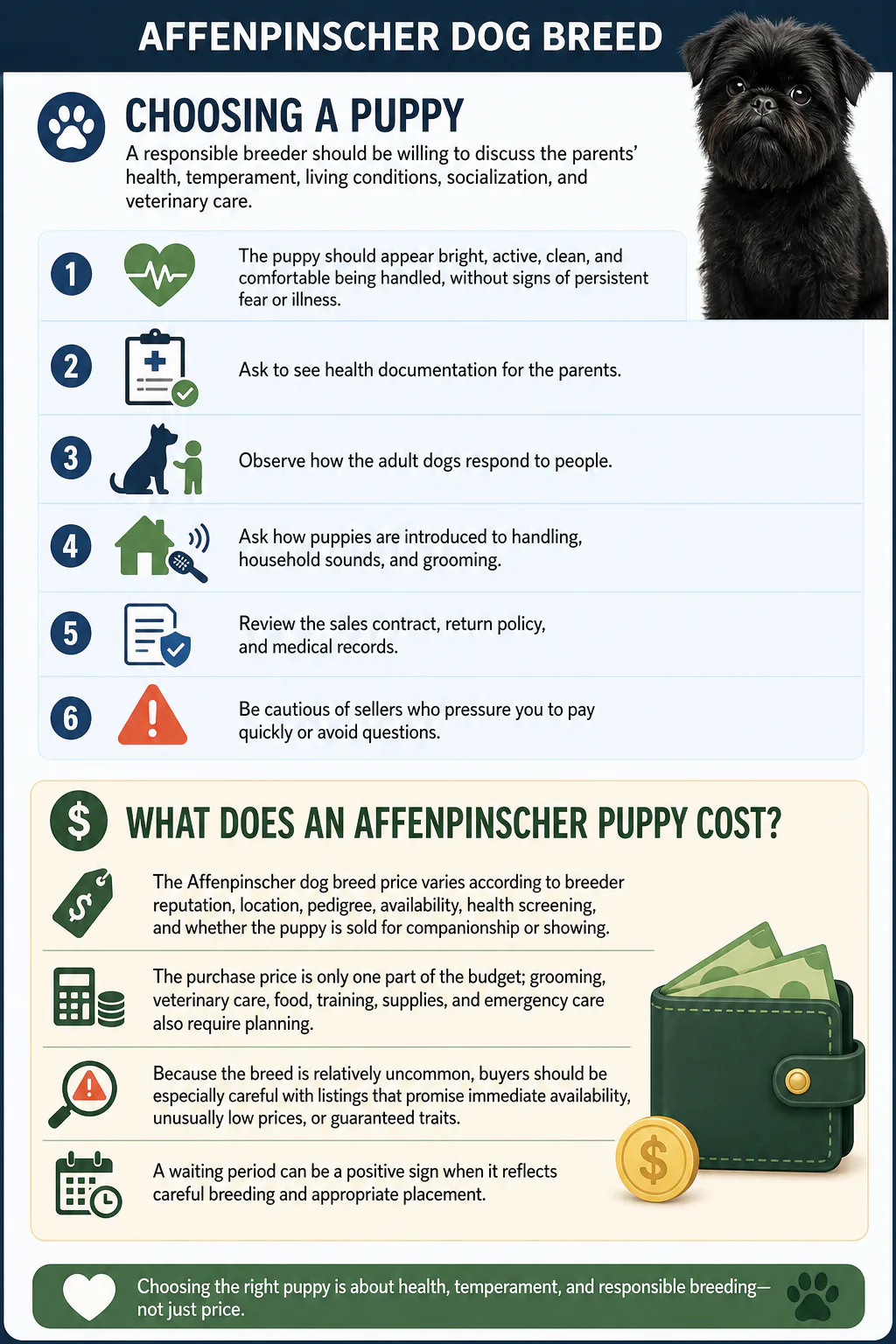
A responsible breeder should be willing to discuss the parents’ health, temperament, living conditions, socialization, and veterinary care. The puppy should appear bright, active, clean, and comfortable being handled, without signs of persistent fear or illness.
- Ask to see health documentation for the parents.
- Observe how the adult dogs respond to people.
- Ask how puppies are introduced to handling, household sounds, and grooming.
- Review the sales contract, return policy, and medical records.
- Be cautious of sellers who pressure you to pay quickly or avoid questions.
What does an Affenpinscher puppy cost?
The Affenpinscher dog breed price varies according to breeder reputation, location, pedigree, availability, health screening, and whether the puppy is sold for companionship or showing. The purchase price is only one part of the budget; grooming, veterinary care, food, training, supplies, and emergency care also require planning.
Because the breed is relatively uncommon, buyers should be especially careful with listings that promise immediate availability, unusually low prices, or guaranteed traits. A waiting period can be a positive sign when it reflects careful breeding and appropriate placement.
Living With an Affenpinscher
The breed’s strongest appeal is its combination of portability and personality. It can be an engaging companion in a small home, but it is not a decorative or completely effortless pet. Its confidence, alertness, and independence need guidance.
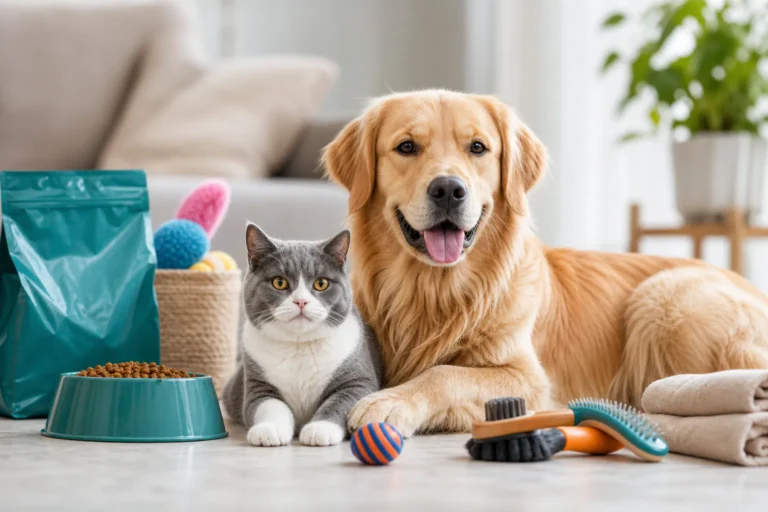
Compared with a Golden Retriever, an Affenpinscher requires far less physical exercise but can demand just as much attention to social behavior and training consistency. The right choice depends on whether your household wants a compact dog with a spirited, sometimes opinionated character.
Frequently Asked Questions
Is an Affenpinscher a terrier?
The Affenpinscher is classified as a toy breed, but it has a strongly terrier-like personality and historical association with ratting. Its alertness, determination, and willingness to investigate often resemble terrier behavior.
Are Affenpinschers easy to train?
They are intelligent and capable of learning, but their independent nature can make training challenging. Short, positive sessions and consistent household rules are more effective than repetition without rewards.
Can Affenpinschers live in apartments?
Yes. Their small size and moderate exercise needs can suit apartment living, provided they receive daily walks, play, training, and appropriate socialization. Barking and hallway reactivity should be addressed early.
Do Affenpinschers need professional grooming?
Not every companion Affenpinscher needs frequent professional grooming, but many benefit from a groomer who understands coarse, wire-haired coats. Regular brushing at home remains important regardless of the chosen trim.
Final Recommendation
The Affenpinscher is a strong match for an owner who wants a small, loyal, amusing companion and is prepared to manage grooming, dental care, socialization, and firm but kind training. Choose the breed for its complete temperament, not simply its unusual face or compact size. Meeting adult dogs and speaking with an experienced breeder or veterinarian is the best next step before bringing one home.