Australian Kelpie Dog: Traits, Care, Training & Family Fit
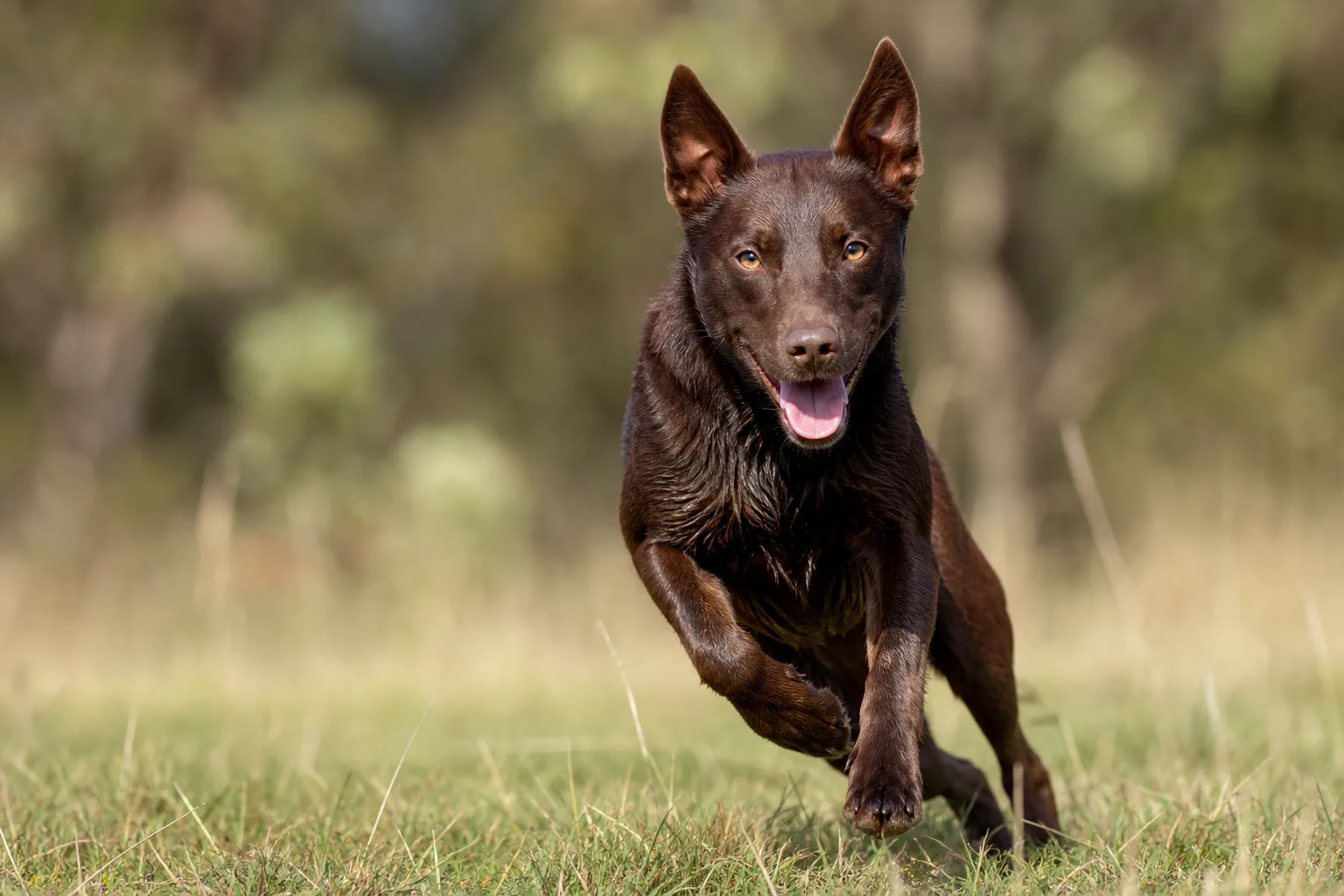
Australian Kelpie Dogs are intelligent, athletic working dogs best suited to active owners who can provide daily exercise, training, and purposeful activity. They are loyal and highly responsive, but their stamina and herding instincts make them demanding companions in homes without enough structure.
This guide explains the Australian Kelpie temperament, size, colors, care requirements, training needs, cost considerations, and suitability for family life so you can decide whether this remarkable Australian breed fits your household.
Australian Kelpie at a Glance
| Feature | Details |
|---|---|
| Origin | Australia |
| Height | 39–51 cm, or 15–20 inches |
| Weight | 13–19 kg, or 29–42 pounds |
| Coat | Short double coat |
| Common names | Kelpie, Barb, Farmer Dog |
| Primary role | Livestock herding and active companionship |

History and Working Purpose
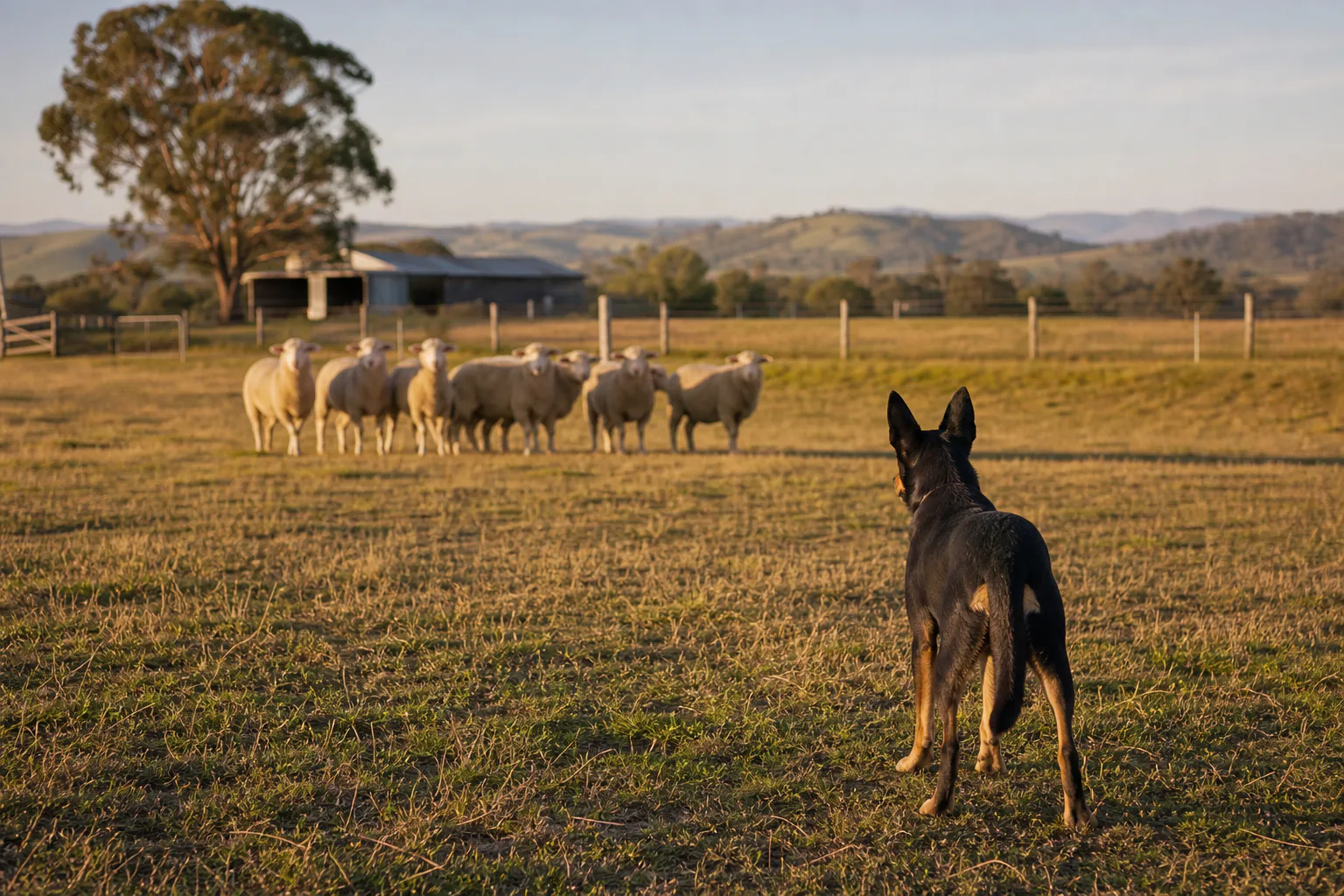
The Australian Kelpie developed in Australia during the late 19th century, when sheep farming expanded across large properties and difficult terrain. Farmers needed a dog that could work independently, tolerate demanding conditions, and move livestock efficiently across wide distances.
The breed’s working heritage remains central to its character. A Kelpie is not simply an energetic pet; it is a problem-solving herding dog bred to pay attention, make quick decisions, and continue working for long periods.
Working Kelpies remain important on farms, while other Kelpies participate in obedience, agility, herding trials, tracking, and other activities that use their speed and concentration.
Appearance and Physical Traits
Size and build
The Australian Kelpie is a medium-sized dog with a lean, muscular frame. Its lithe body supports fast movement and endurance rather than heavy strength, and its balanced build allows it to turn quickly while working livestock.
Australian Kelpie size varies within the standard range, with adults measuring 39–51 cm at the shoulder and weighing 13–19 kg. A healthy body condition matters more than reaching a particular point within that range.
Coat and colors
The breed has a short double coat that provides practical protection in outdoor conditions. Coat texture and length differ between individual dogs, but the coat remains relatively straightforward to maintain.
Australian Kelpie colors include:
- Black
- Black and tan
- Red
- Red and tan
- Chocolate
- Chocolate and tan
- Blue
- Blue and tan
- Fawn
- Fawn and tan
- Cream
- Black and white
Australian Kelpie Temperament
Kelpies are alert, intelligent, eager, and intensely active. They form strong relationships with their handlers and often respond quickly to changes in voice, movement, and routine.
The same traits that make a Kelpie effective on a farm can create challenges in a casual pet home. Herding instincts can appear as chasing, circling, nipping at heels, or attempting to control the movement of children and other animals.
Early socialization helps a puppy learn how to behave around people, dogs, livestock, traffic, and unfamiliar environments. Socialization does not remove the breed’s instincts, but it gives the dog more appropriate ways to respond.
Kelpies are generally devoted to their families, yet they are not always relaxed or naturally suited to constant inactivity. A well-matched Kelpie is engaged, trainable, and active rather than simply quiet.
Exercise and Daily Enrichment
Australian Kelpies require substantial daily activity. A brief walk alone rarely meets the needs of a healthy adult, particularly when the dog comes from strong working lines.
Useful activities include:
- Long walks, hikes, and off-leash exercise in secure areas
- Retrieving, scent games, and search activities
- Agility, obedience, and rally training
- Herding work or supervised livestock activities
- Structured play with clear start and stop signals
- Food puzzles and short problem-solving sessions
Exercise should combine physical movement with mental work. Repeating high-speed games without teaching calm behavior can create a dog that becomes fitter but no easier to live with.
Owners should also build rest into the daily routine. Teaching a Kelpie to settle on a mat, remain alone for appropriate periods, and transition from activity to quiet time is an important part of responsible training.
Training an Australian Kelpie
A Kelpie learns quickly, but intelligence does not guarantee cooperation. Training works best when lessons are clear, consistent, and rewarding, with enough variety to keep the dog engaged.
Start with practical skills
Begin with recall, loose-leash walking, name recognition, impulse control, and a reliable “leave it” cue. These skills help manage chasing and herding behaviors in everyday settings.
Use short sessions rather than drilling the same exercise until the dog loses interest. Reward calm attention, not only speed or intensity, because a working breed also needs to understand when activity is finished.
Owners comparing active herding breeds often consider Australian cattle dogs as well. Both breeds need purposeful activity, but individual temperament and working background matter more than breed labels alone.
Are Kelpies Good House Dogs?
Australian Kelpies can live successfully in a house when their physical and mental needs are met. A home with a secure yard helps, but outdoor space does not replace training, interaction, and meaningful exercise.
They are a poor match for households that want a low-energy dog, leave a pet alone for most of the day, or expect the dog to exercise itself. Boredom can lead to barking, digging, escaping, destructive chewing, and unwanted chasing.
A Kelpie can suit an active individual, couple, or family that enjoys outdoor activities and is prepared to manage a fast, sensitive, work-oriented dog. Families with young children need close supervision because herding behavior can involve chasing or heel-nipping.
Grooming and Routine Care
The short double coat needs regular brushing to remove loose hair and distribute natural oils. Shedding increases during seasonal coat changes, so brushing frequency should increase when loose hair becomes more noticeable.
- Brush the coat regularly, with extra attention during heavier shedding.
- Check ears, paws, and skin during routine handling.
- Trim nails before they become long enough to affect movement.
- Brush teeth regularly and arrange professional veterinary dental care when needed.
- Keep the dog at a healthy weight to support its active frame.
Routine veterinary care should include preventive treatment, vaccination guidance, dental assessment, and discussion of breed, age, lifestyle, and family health history. A dog’s care plan should be individualized rather than based only on breed assumptions.
Kelpie Versus Cattle Dog
The Australian Kelpie and Australian Cattle Dog are both Australian working breeds with high energy and strong instincts, but they are not the same breed. Kelpies are generally recognized for their speed, agility, and ability to work independently over distance.
Australian Cattle Dogs have a compact, sturdy appearance and were developed for moving cattle in demanding conditions. Both can be intense and trainable, so the better choice depends on the owner’s preferred activities, handling style, and ability to provide structure.
Breed names do not predict every individual dog. Working line, early socialization, training, age, and prior experience strongly influence how a particular dog behaves at home.
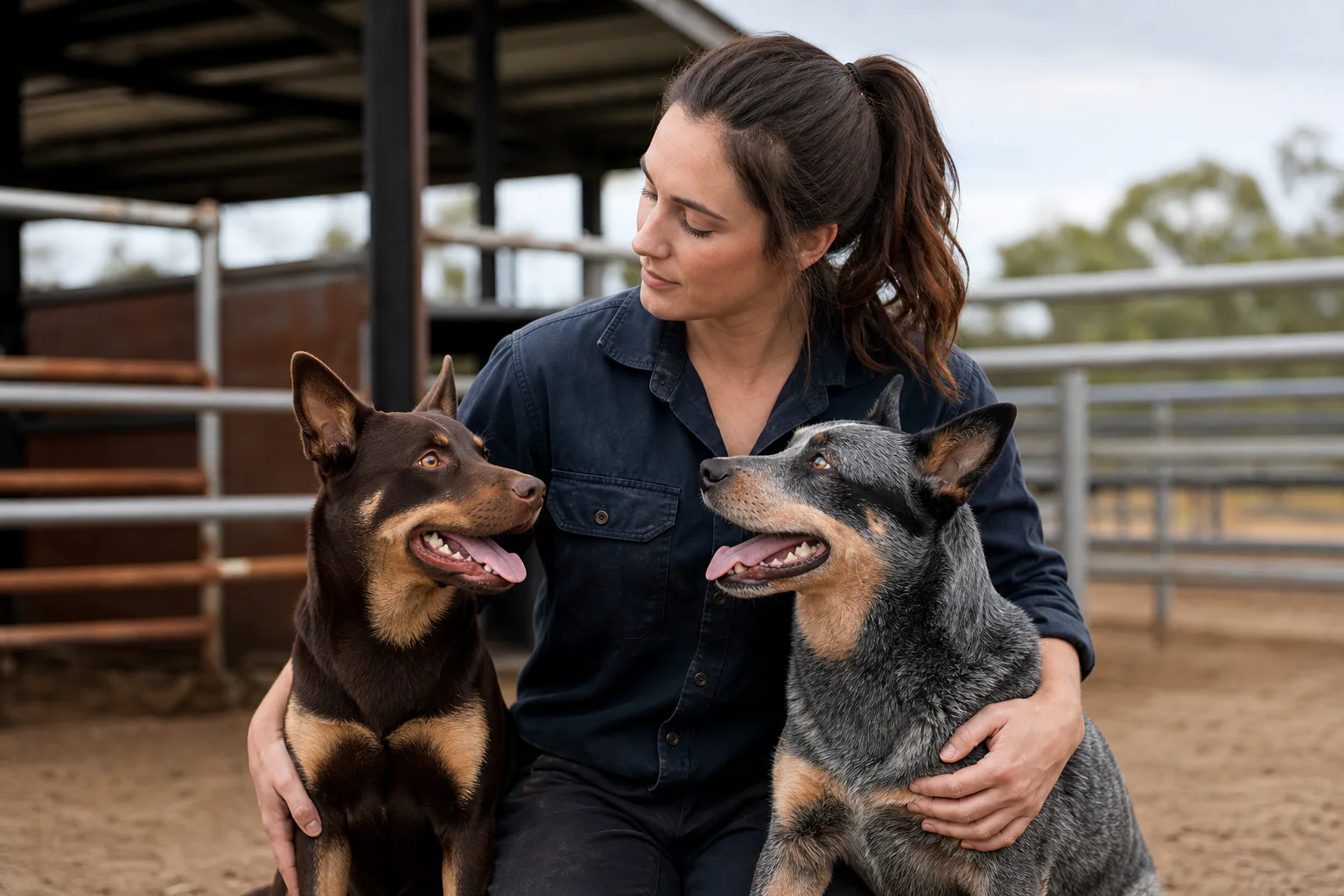
Finding a Puppy or Adult Dog
People searching for an Australian Kelpie puppy should evaluate the breeder or rescue organization as carefully as they evaluate the dog. Ask about the parents’ working or sport roles, temperament, veterinary history, socialization, and the conditions in which the puppies are raised.
Responsible placements include detailed discussions about the breed’s exercise requirements. A seller who presents a Kelpie as an effortless apartment dog without explaining its workload is not giving a complete picture.
Adult Kelpies can be a strong option for experienced owners because their energy level, training history, and behavior are easier to assess. Rescue organizations and working-dog networks sometimes place dogs with homes that understand their needs.
How Much Does a Kelpie Cost?
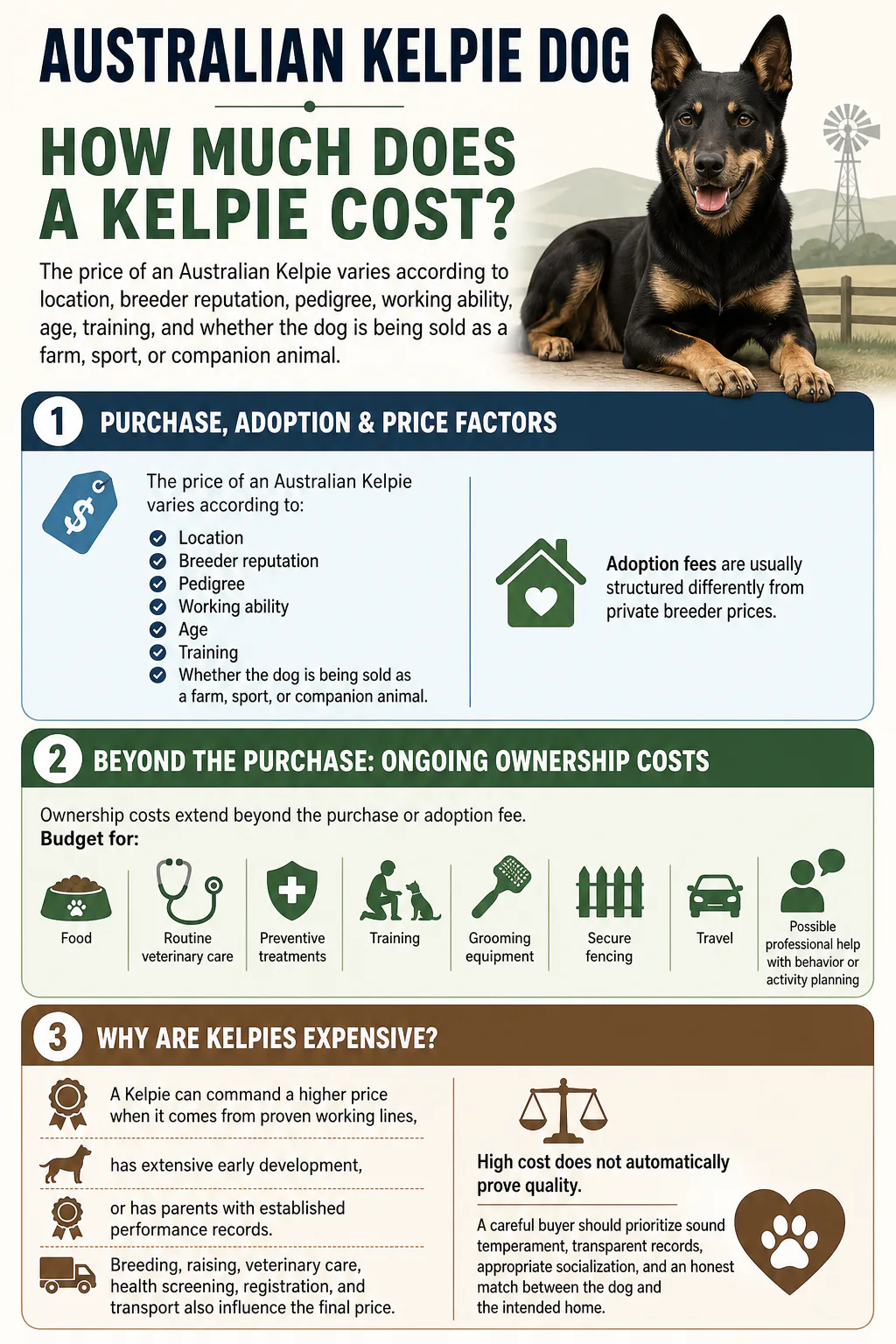
The price of an Australian Kelpie varies according to location, breeder reputation, pedigree, working ability, age, training, and whether the dog is being sold as a farm, sport, or companion animal. Adoption fees are usually structured differently from private breeder prices.
Ownership costs extend beyond the purchase or adoption fee. Budget for food, routine veterinary care, preventive treatments, training, grooming equipment, secure fencing, travel, and possible professional help with behavior or activity planning.
Why are Kelpies expensive?
A Kelpie can command a higher price when it comes from proven working lines, has extensive early development, or has parents with established performance records. Breeding, raising, veterinary care, health screening, registration, and transport also influence the final price.
High cost does not automatically prove quality. A careful buyer should prioritize sound temperament, transparent records, appropriate socialization, and an honest match between the dog and the intended home.
How Rare Are Kelpies in the United States?
Australian Kelpies are less common in the United States than familiar herding breeds such as Border Collies, Australian Shepherds, and Australian Cattle Dogs. They are established among some farm, sport, and working-dog communities, but they remain uncommon in many ordinary pet-owning areas.
Availability can therefore vary significantly by region. Buyers looking for Australian Kelpie puppies for sale in the USA should verify the source carefully and avoid treating scarcity as a reason to rush into a purchase.
For owners considering several large working breeds, an Anatolian shepherd dog represents a very different option: it is a guardian breed with different instincts, training priorities, and household demands.
Who Should Own a Kelpie?
An Australian Kelpie is a strong fit for someone who wants an active training partner and can provide daily direction. The breed suits owners interested in hiking, dog sports, farm work, structured games, and ongoing skill development.
It is less suitable for a first-time owner seeking an easygoing companion, a household with no plan for daily activity, or anyone who expects a large yard to solve all exercise needs.
- Choose a Kelpie if you enjoy training and active outdoor routines.
- Choose carefully if you have small children or other animals that may trigger herding behavior.
- Look for an adult dog if you want a clearer view of energy level and temperament.
- Discuss working instincts openly before bringing a puppy home.
Frequently Asked Questions
Are Australian Kelpies aggressive?
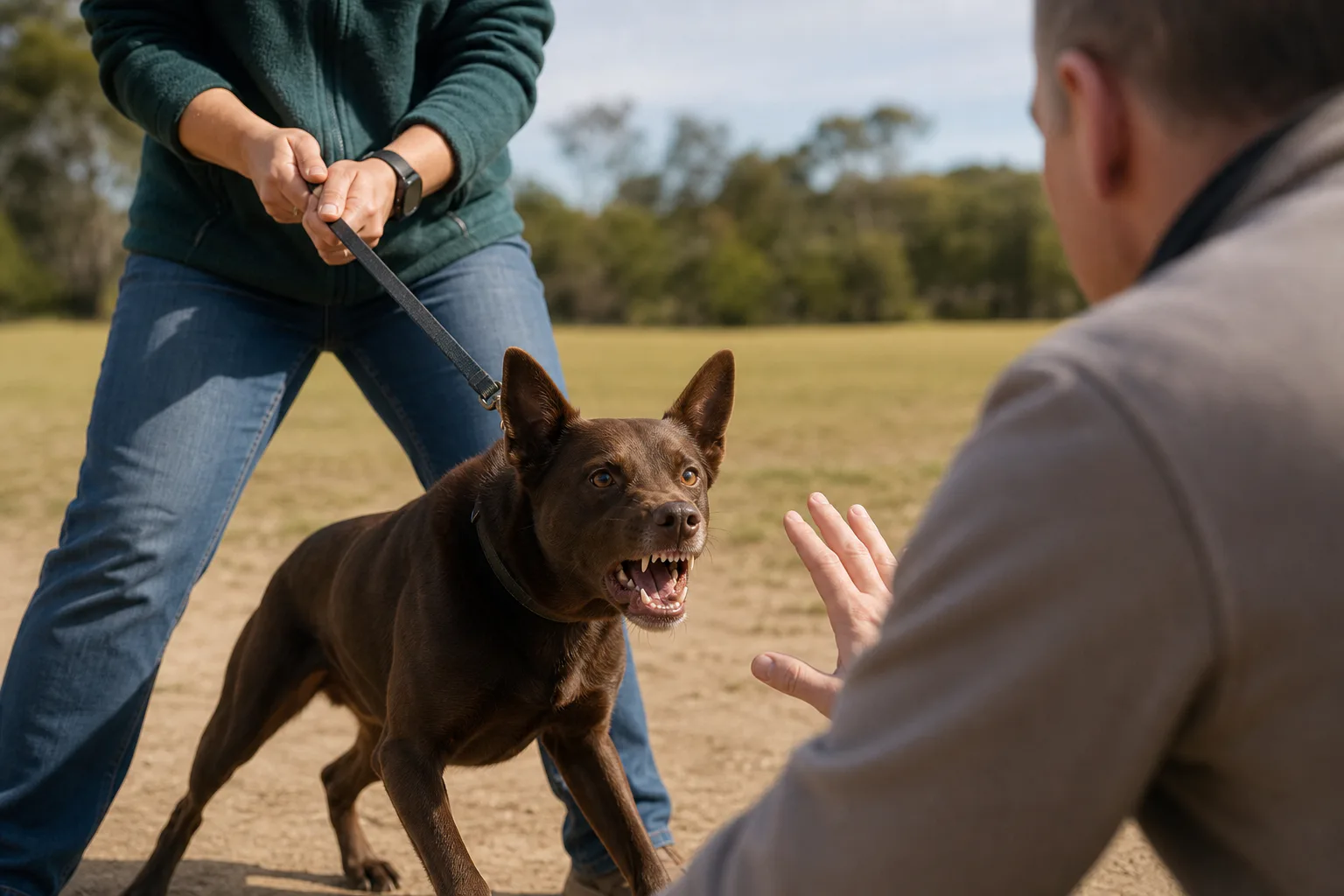
Aggression is not the defining trait of the breed. Kelpies are alert and intense, and poor socialization, frustration, fear, inadequate exercise, or unmanaged chasing behavior can create problems that require professional guidance.
Can an Australian Kelpie live in an apartment?
Apartment living is possible for some individual Kelpies, but it requires a disciplined exercise, training, and enrichment plan. The dog’s daily needs do not disappear because it lives indoors, and neighbors may be affected by barking or restless behavior.
Do Australian Kelpies shed?
Yes. Their short double coat sheds, with heavier shedding during seasonal coat changes. Regular brushing reduces loose hair on furniture and flooring but does not eliminate shedding.
Are Kelpies easy to train?
Kelpies are highly capable learners and often respond rapidly to clear training. They still require consistency, appropriate rewards, impulse-control work, and enough mental variety to prevent boredom.
How long do Australian Kelpies live?
Lifespan differs among individual dogs and depends on genetics, preventive care, nutrition, activity, and medical conditions. Owners can track a dog’s life stage with a dog age calculator, but veterinary examinations remain the best way to assess changing health needs.
Final Recommendation
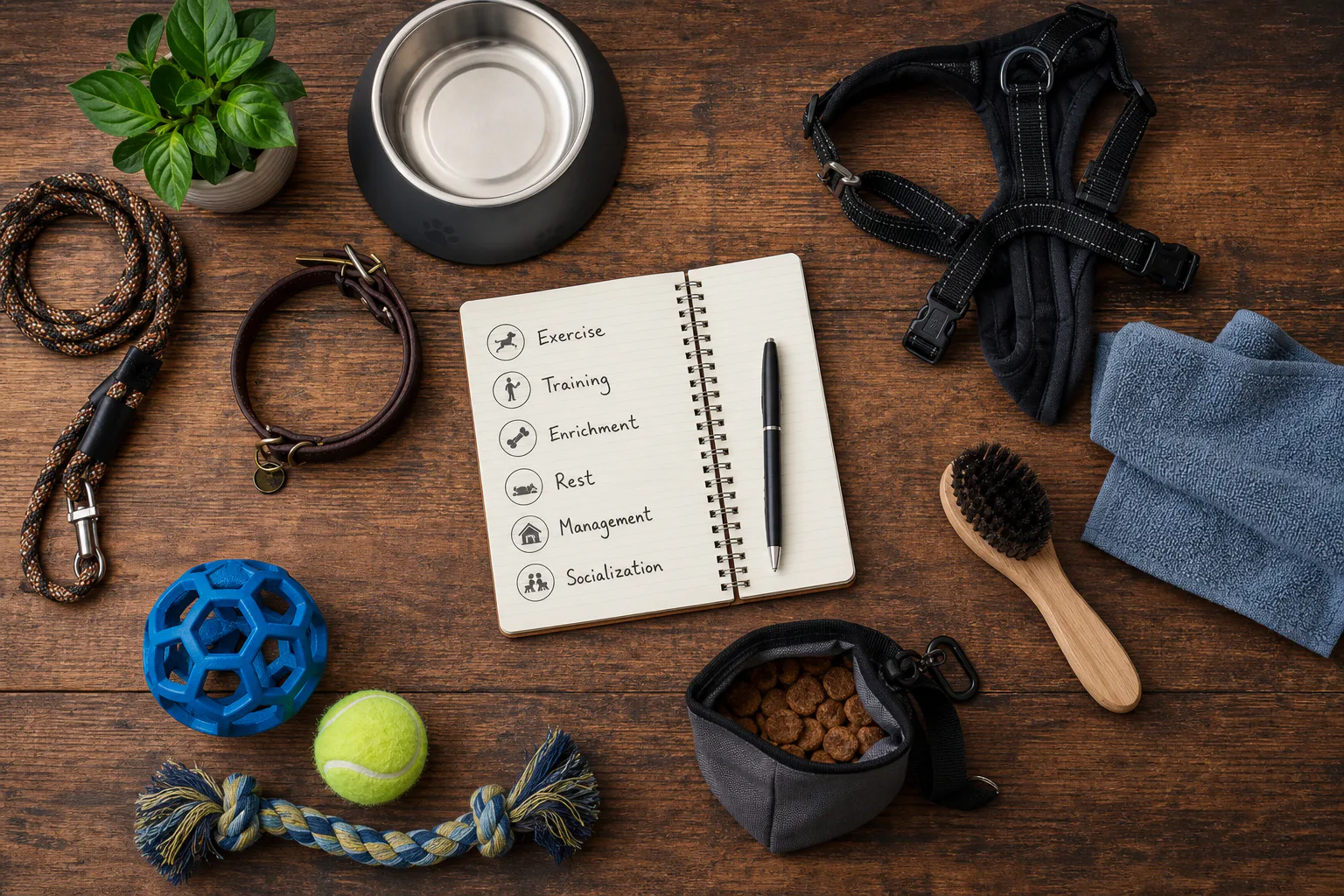
The Australian Kelpie is an exceptional working dog for an active, prepared owner, but it is not a low-maintenance pet. Before choosing one, arrange a realistic daily schedule that includes exercise, training, enrichment, rest, secure management, and ongoing socialization.
If that routine fits your lifestyle, a well-bred or responsibly rehomed Kelpie can become a responsive, versatile, and deeply devoted companion.