American Bulldog Breed: Care, Temperament, Training & Health
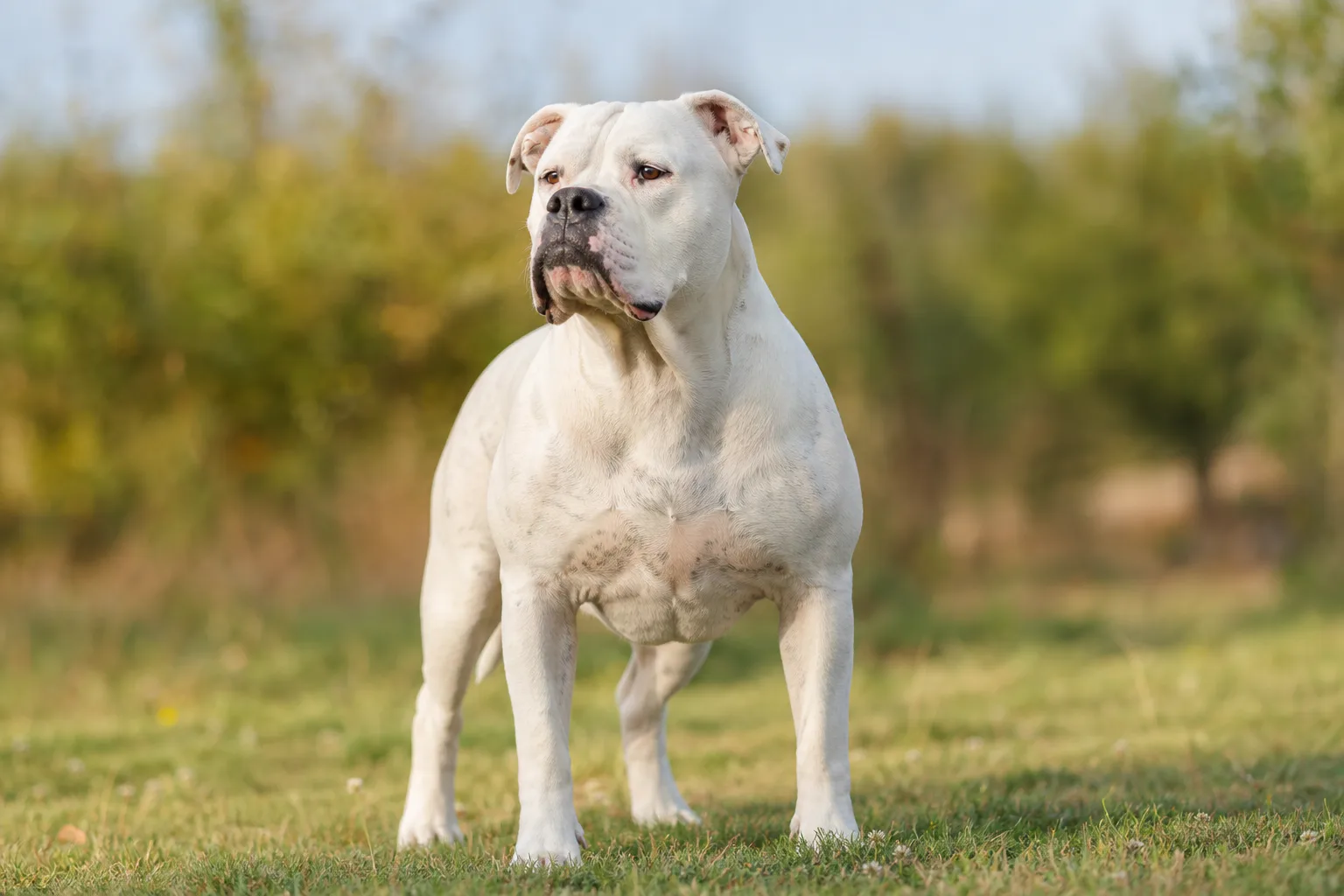
The American Bulldog Breed is a powerful, athletic working dog known for loyalty, confidence, and affection toward its family. It suits active owners who can provide daily exercise, early socialization, consistent training, and clear household rules. This guide explains its history, size, temperament, care needs, common health concerns, and the differences between popular American Bulldog types.
At a Glance
| Characteristic | Typical details |
|---|---|
| Origin | United States |
| Height | Males: 20–26 inches; females: 20–24 inches |
| Weight | Males: 75–115 pounds; females: 60–90 pounds |
| Coat | Short and harsh |
| Color | White or white with patches of red, brindle, brown, or other shades |
| Life expectancy | About 10–12 years |
| Energy level | High |
These figures describe a broad breed range rather than a target for every individual dog. Build, proportions, conditioning, sex, and bloodline all influence a healthy adult’s final size.
History and Purpose
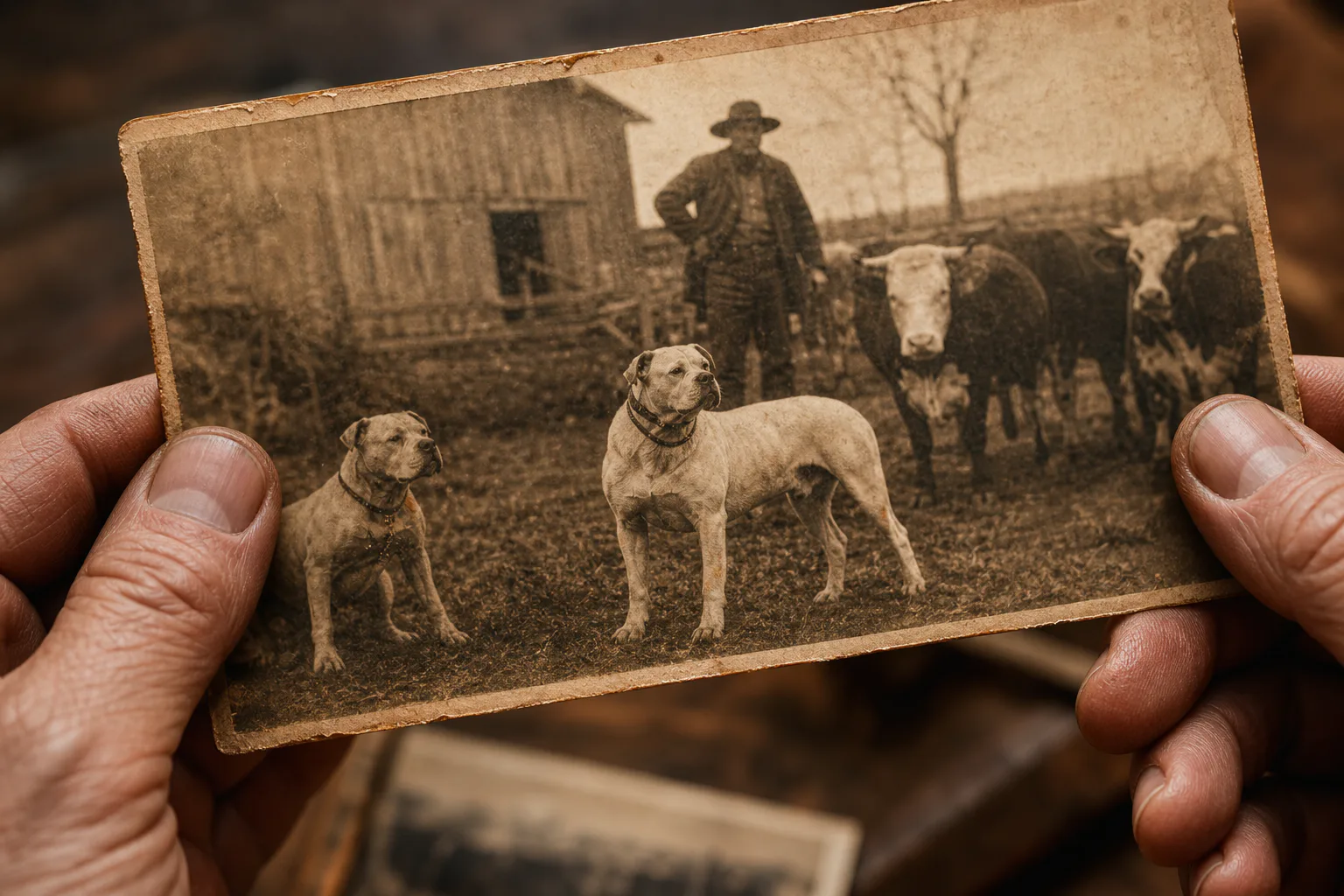
American Bulldogs developed in the American South from working bulldog types brought by European settlers. Farmers valued dogs that could protect property, manage livestock, and assist with demanding work around rural homesteads.
The breed’s athletic structure reflects those duties. Unlike the shorter, heavier English Bulldog, the American Bulldog was developed for functional movement, stamina, strength, and practical work. Modern dogs retain many of those traits even when they live primarily as companions.
Historical names include Southern White, White English, Old Southern White Bulldog, Hill Bulldog, Country Bulldog, and English White Bulldog. Registry standards differ, so appearance and proportions can vary between breeding programs.
Physical Characteristics
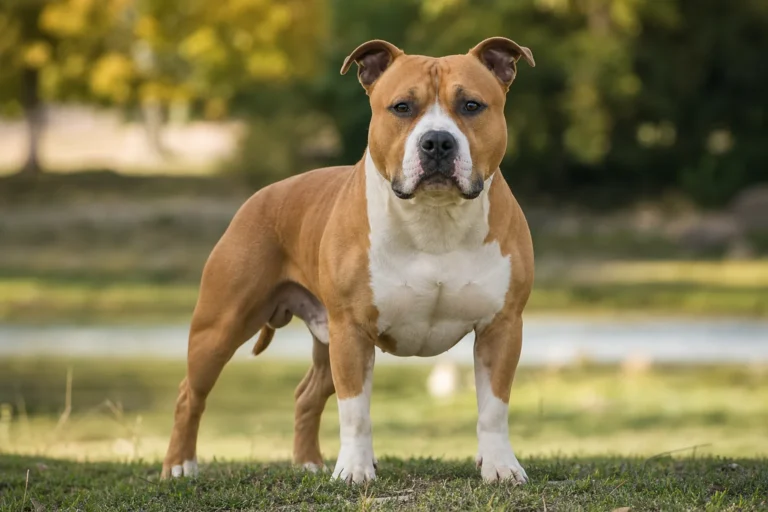
An American Bulldog has a muscular frame, broad head, strong jaw, deep chest, and solid bone. The body should look powerful without sacrificing balance or the ability to move freely. A well-conditioned dog is athletic rather than simply heavy.
Coat and grooming
The short coat is easy to maintain, but the breed sheds consistently. Weekly brushing helps remove loose hair and keeps the coat in good condition, while occasional bathing is sufficient unless the dog becomes dirty or develops a skin problem.
- Check the ears regularly for odor, redness, or debris.
- Trim the nails before they become long enough to affect movement.
- Brush the teeth regularly with canine dental products.
- Clean facial folds if the individual dog has noticeable wrinkles.
Grooming is straightforward, but the breed’s size and strength make routine handling important. Teach a puppy to accept paw, ear, mouth, and body checks before it becomes an adult.
American Bulldog Temperament
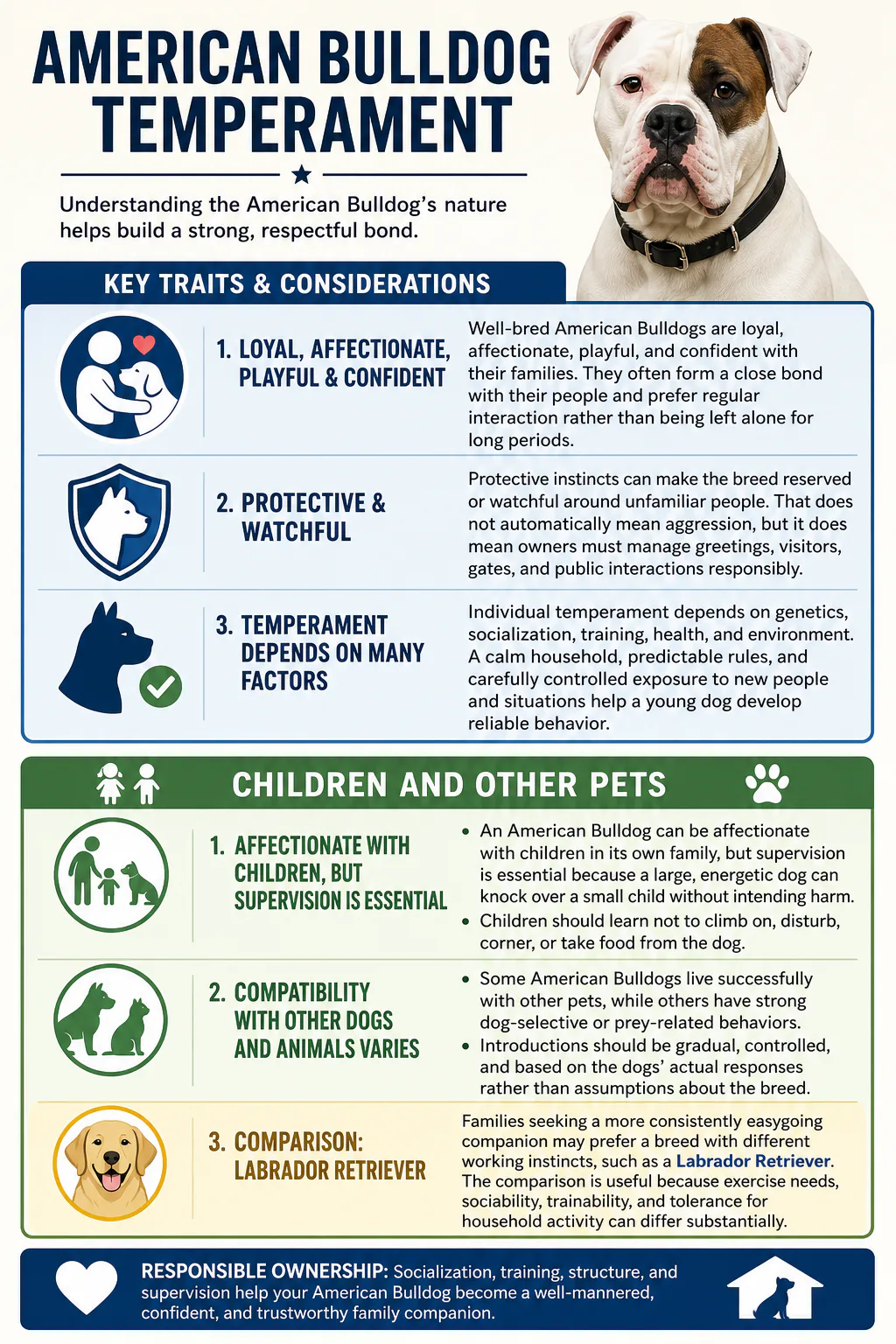
Well-bred American Bulldogs are loyal, affectionate, playful, and confident with their families. They often form a close bond with their people and prefer regular interaction rather than being left alone for long periods.
Protective instincts can make the breed reserved or watchful around unfamiliar people. That does not automatically mean aggression, but it does mean owners must manage greetings, visitors, gates, and public interactions responsibly.
Individual temperament depends on genetics, socialization, training, health, and environment. A calm household, predictable rules, and carefully controlled exposure to new people and situations help a young dog develop reliable behavior.
Children and other pets
An American Bulldog can be affectionate with children in its own family, but supervision is essential because a large, energetic dog can knock over a small child without intending harm. Children should learn not to climb on, disturb, corner, or take food from the dog.
Compatibility with other dogs and animals varies. Some American Bulldogs live successfully with other pets, while others have strong dog-selective or prey-related behaviors. Introductions should be gradual, controlled, and based on the dogs’ actual responses rather than assumptions about the breed.
Families seeking a more consistently easygoing companion may prefer a breed with different working instincts, such as a Labrador Retriever. The comparison is useful because exercise needs, sociability, trainability, and tolerance for household activity can differ substantially.
Training Requirements
This breed is intelligent and capable of learning quickly, but physical strength and confidence can make poor training choices difficult to manage. Begin with reward-based training as soon as the puppy comes home and keep sessions short, clear, and consistent.
- Teach name recognition, recall, loose-leash walking, and a reliable “leave it.”
- Practice calm behavior around doors, visitors, food, toys, and handling.
- Use rewards to reinforce attention, cooperation, and relaxed body language.
- Avoid physical punishment, intimidation, and uncontrolled confrontations.
Socialization should include safe exposure to different surfaces, sounds, environments, people, and well-matched dogs. The goal is not to make the dog greet everyone; it is to help the dog remain composed and responsive in unfamiliar situations.
Owners who want a highly protective working dog should seek guidance from a qualified trainer who uses humane methods and understands large, powerful breeds. A dog that can physically overpower its handler requires management skills as well as obedience.
Exercise and Daily Life
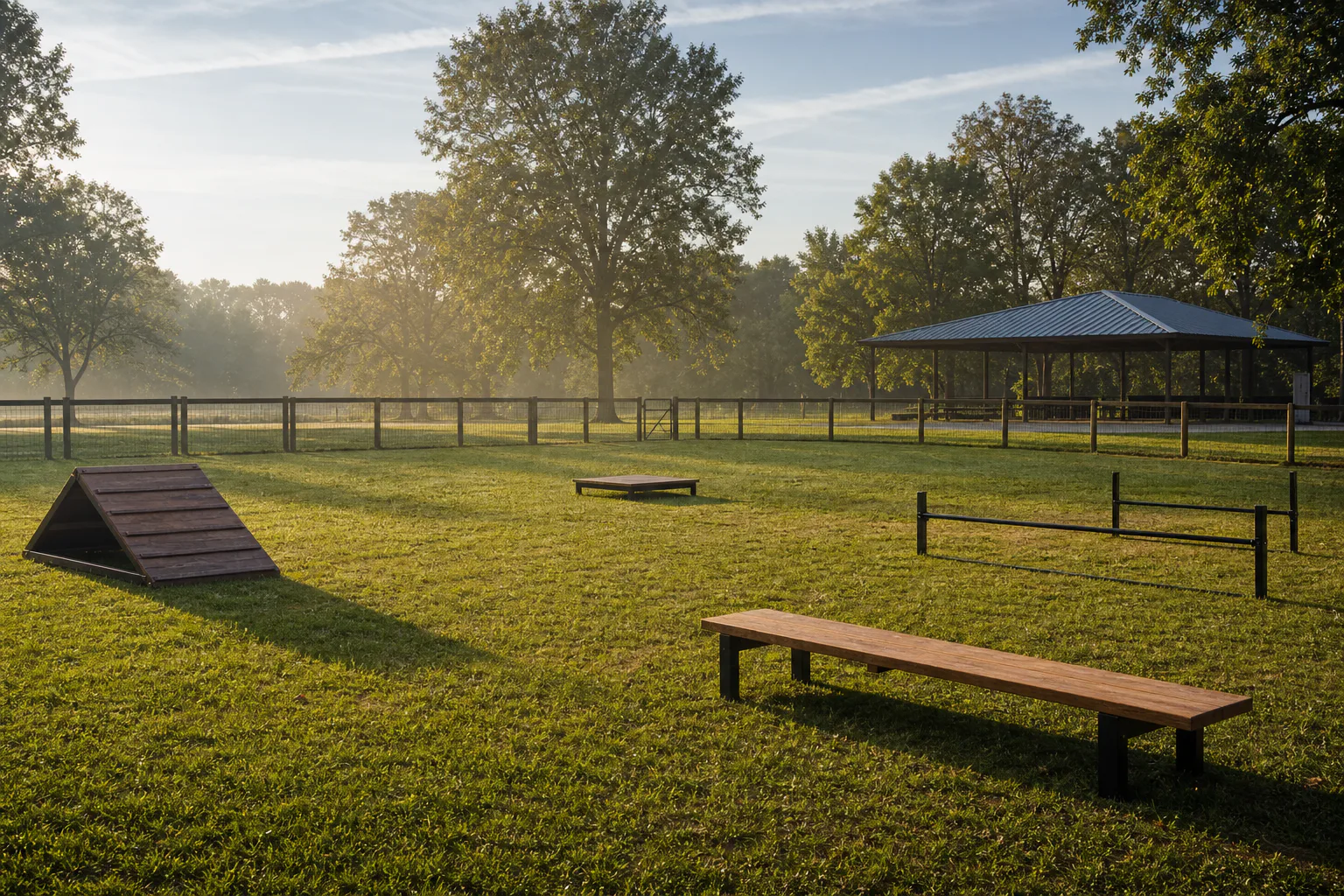
American Bulldogs need more activity than a typical low-energy companion dog. Daily walks, structured play, training games, and opportunities to use their minds help reduce boredom and frustration.
Exercise should match the dog’s age, structure, health, and conditioning. Puppies need controlled activity while their bones and joints develop, and adults should not be pushed into repetitive high-impact work without veterinary guidance.
- Brisk walks with opportunities for calm sniffing
- Retrieval, tug, and supervised outdoor games
- Obedience practice and food-puzzle activities
- Conditioning that builds fitness gradually
A secure yard can provide useful play space, but it does not replace interaction or training. Strong fencing and careful supervision are important because the breed may investigate beyond the property or react to unfamiliar animals and people.
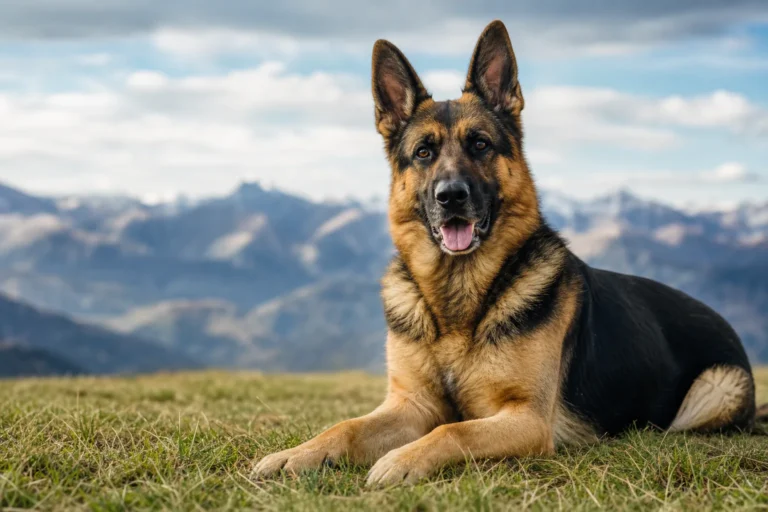
People comparing active working breeds should remember that an active German Shepherd and an American Bulldog can both need substantial daily engagement, but their instincts and training styles are not identical. Choose based on the behavior and management demands you can realistically meet.
Johnson and Scott Types
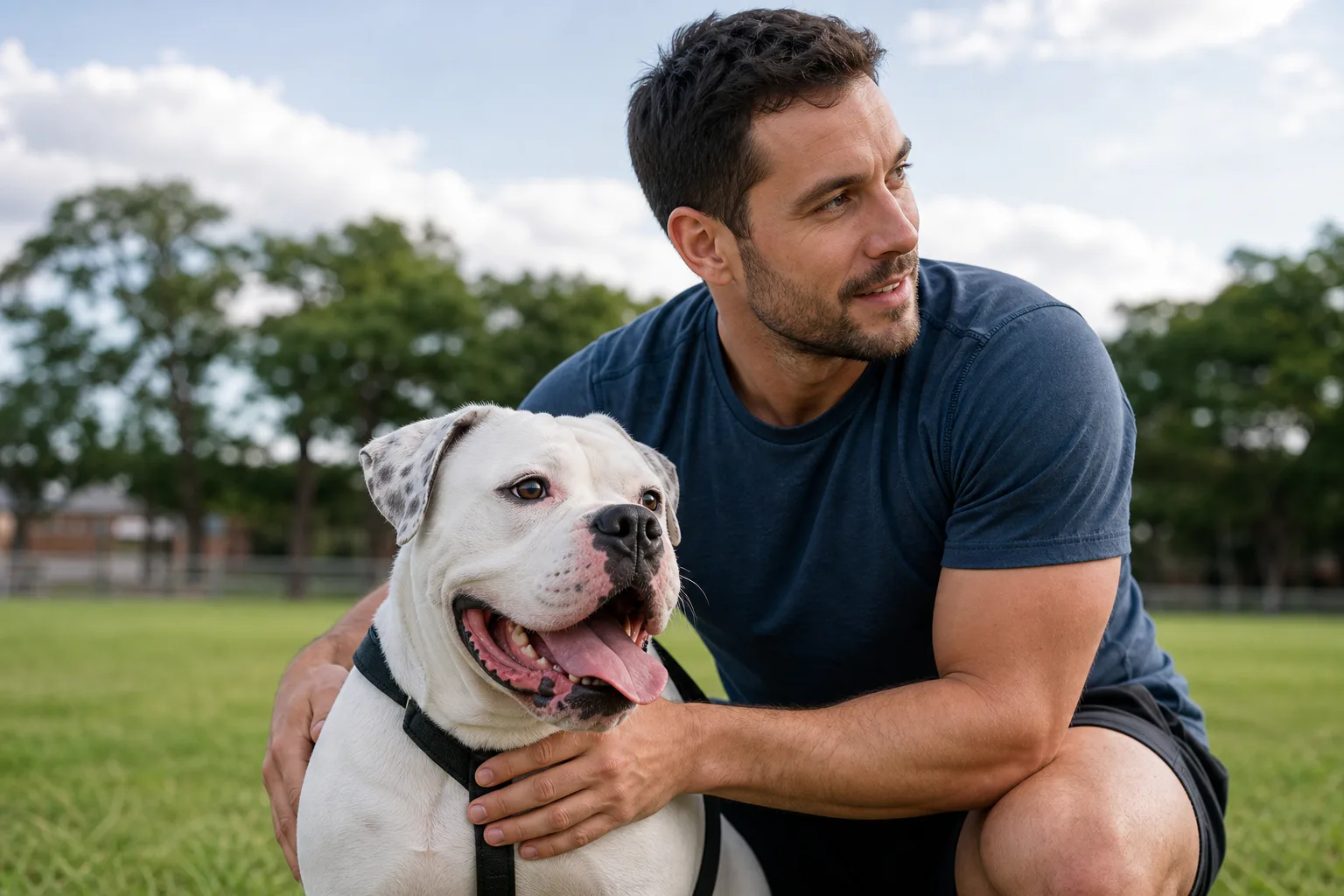
“Johnson” and “Scott” commonly describe influential American Bulldog lines rather than completely separate breeds. Breeders may also produce dogs with blended characteristics, and the labels are not applied with identical rules across every kennel or registry.
Johnson type
Johnson-type dogs are often associated with heavier bone, a broader head, a shorter muzzle, and a more substantial appearance. Their structure can look closer to the classic bulldog image, although individual dogs vary considerably.
Scott type
Scott-type dogs are commonly associated with a more athletic build, longer muzzle, lighter frame, and greater emphasis on functional movement. They are often described as performance-oriented, but a dog’s actual energy, temperament, and health still depend on its breeding and upbringing.
When evaluating a puppy, look beyond the label. Ask to see health records, observe the parents’ behavior, review the breeder’s goals, and assess whether the adult dogs move comfortably and behave appropriately around people.
Health and Veterinary Care
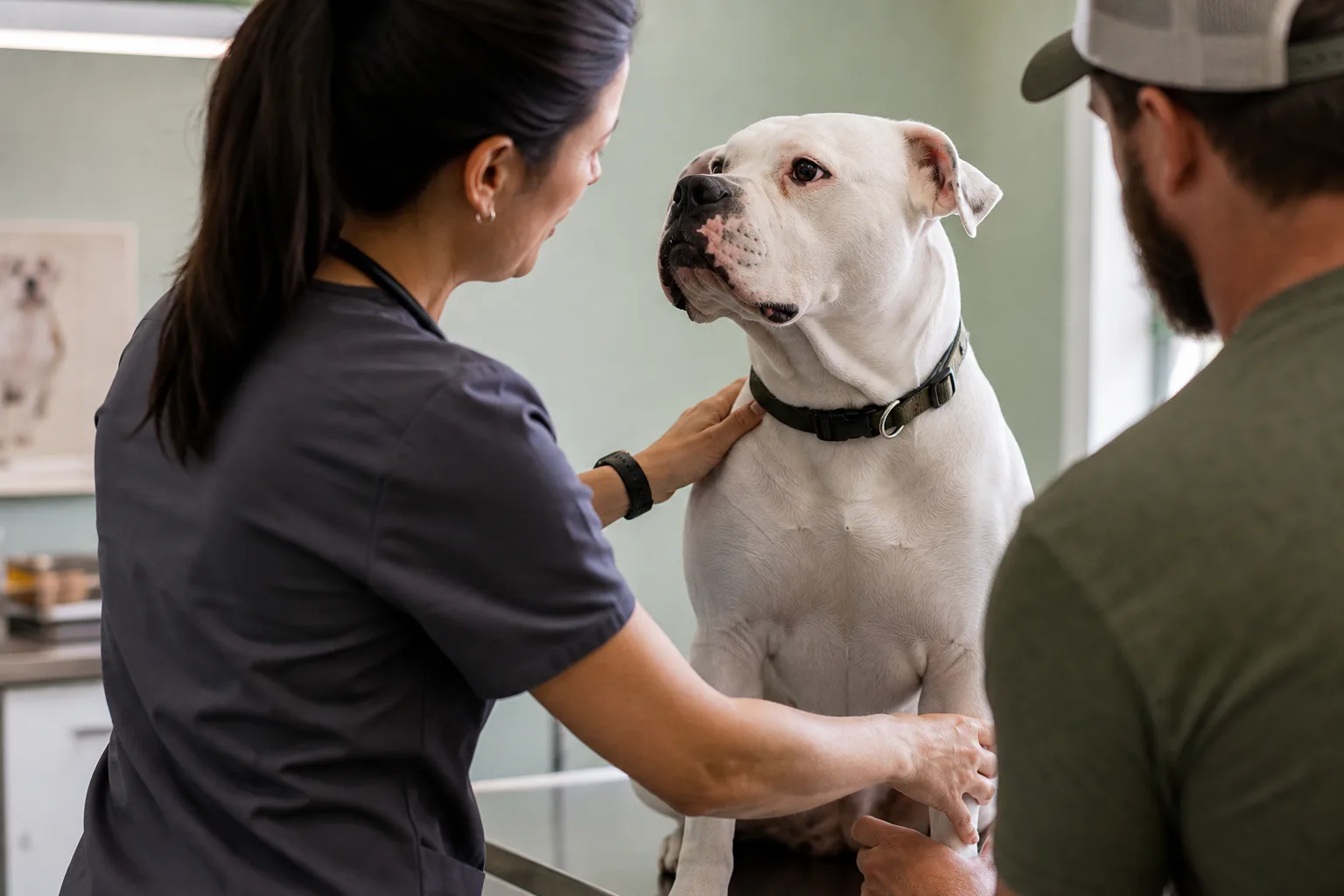
American Bulldogs are strong dogs, but strength does not make them free from inherited or acquired health problems. Responsible breeding, appropriate nutrition, weight control, regular veterinary examinations, and sensible exercise all support long-term welfare.
Potential concerns include orthopedic problems such as hip or elbow dysplasia, skin allergies, eye conditions, and obesity. Some dogs also experience breathing difficulty if their muzzle is especially short or their body condition is excessive.
- Keep the dog lean enough for easy movement and a visible waist.
- Discuss breed-appropriate orthopedic, eye, and genetic screening with a veterinarian.
- Investigate persistent itching, lameness, eye discharge, or breathing changes promptly.
- Adjust food portions as activity, age, and body condition change.
Do not judge health from appearance alone. A dramatic head or very heavy body can be visually appealing while placing extra stress on joints, breathing, or movement. Sound structure and comfortable function should take priority.
Choosing an American Bulldog Puppy
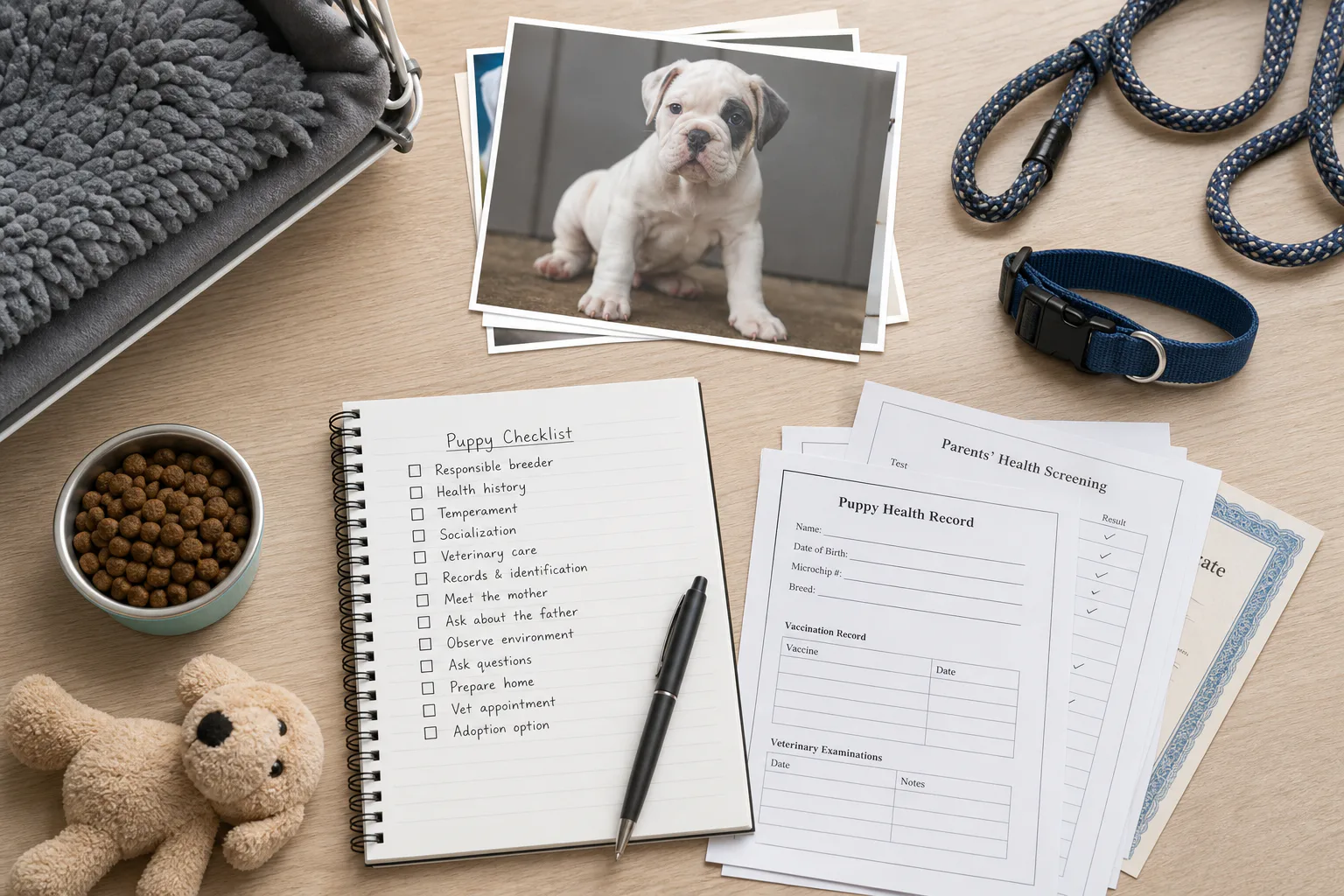
A responsible breeder should be willing to discuss health history, temperament, socialization, contracts, and lifelong support. The puppy should be raised in clean conditions, receive appropriate veterinary care, and show alertness, curiosity, and the ability to recover from ordinary new experiences.
Meet the mother whenever possible and ask about the father’s temperament and health. Avoid choosing solely by the largest head, heaviest build, rarest marking, or most intense behavior, because exaggerated traits do not guarantee a better companion.
- Confirm that the puppy’s records and identification are complete.
- Ask what veterinary examinations and screening were performed on the parents.
- Observe how the breeder handles visitors, puppies, and adult dogs.
- Discuss exercise, feeding, training, and socialization plans before collection.
- Prepare secure fencing, transport equipment, food, and a veterinary appointment.
Adoption is another worthwhile route. An adult American Bulldog in a reputable rescue or shelter may come with useful information about its behavior, energy level, and compatibility with children or other animals.
Is This Breed Right for You?
The American Bulldog can be a rewarding companion for an active, experienced owner who values a close bond and is prepared to manage a powerful dog. It is less suitable for someone seeking a low-exercise pet, a dog that can be left alone most of the day, or a companion that welcomes every unfamiliar animal and visitor without guidance.
| Good match for | Potential mismatch for |
|---|---|
| Active households with time for daily training | Owners wanting a sedentary or highly independent dog |
| People comfortable managing a large, strong breed | Handlers unable to control a dog on leash |
| Families committed to early socialization | Homes that expect children to manage the dog |
| Owners who can provide secure containment | Homes with inadequate fencing or unmanaged animal access |
Frequently Asked Questions
Is an American Bulldog the same as an English Bulldog?
No. They share bulldog ancestry but differ in structure, history, and typical activity level. The American Bulldog is generally taller and more athletic, while the English Bulldog has a shorter, heavier body and is usually less suited to strenuous exercise.
Are American Bulldogs aggressive?
The breed is protective and confident, but aggression is not an appropriate goal for a companion dog. Stable genetics, early socialization, humane training, careful management, and responsible breeding strongly influence how an individual behaves.
Can an American Bulldog live in an apartment?
Apartment living can work only when the owner reliably provides daily exercise, training, enrichment, and calm indoor behavior. The dog’s size, strength, vocalization, and possible reactivity around neighbors or other dogs must also fit the building and local rules.
How much grooming does an American Bulldog need?
Grooming needs are modest because the coat is short. Weekly brushing, regular nail care, dental care, ear checks, and occasional bathing are generally sufficient, with additional attention for dogs that have skin folds or allergies.
Final Recommendation
Choose an American Bulldog for its complete temperament and functional health, not simply its impressive appearance. If you can provide structured activity, patient training, secure management, and lifelong veterinary care, this loyal and athletic breed can become a devoted family companion.