Australian Terrier Dog Breed: Traits, History, and Care
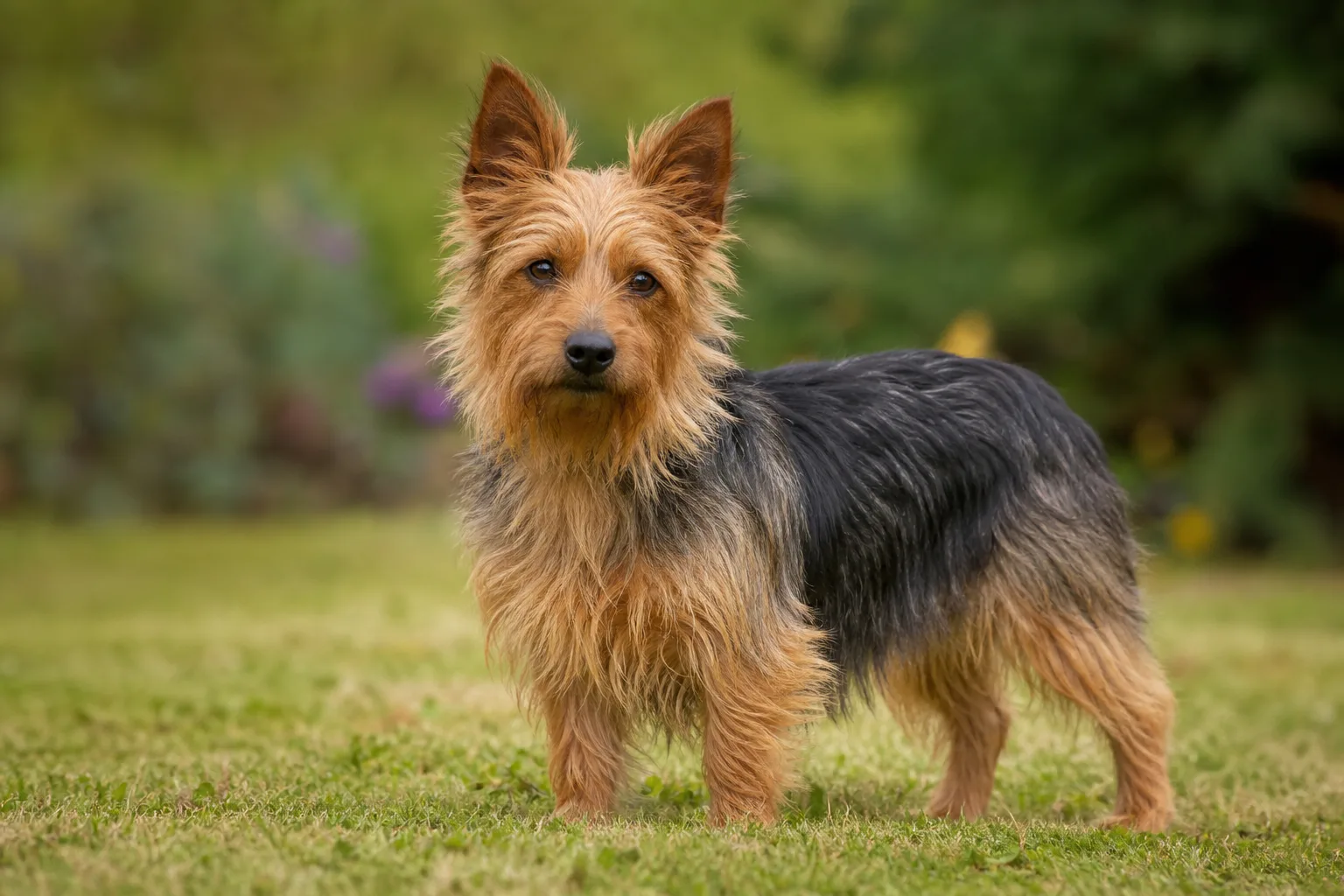
The Australian Terrier Dog breed is a small, sturdy working terrier with an alert mind, confident personality, and strong instinct to chase vermin. It can suit families, singles, and older adults who want an affectionate companion and can provide daily activity, training, and engagement. This guide explains its history, temperament, care needs, size, grooming, and what to consider before bringing one home.
Australian Terrier at a glance
| Characteristic | Typical details |
|---|---|
| Origin | Australia |
| Height | Males: 10 to 11 inches; females: 9 to 10 inches |
| Weight | Males: 14 to 16 pounds; females: 11 to 14 pounds |
| Coat | Short, harsh outer coat with a softer undercoat |
| Recognized colors | Blue and tan, solid sandy, or solid red |
| Life expectancy | 11 to 15 years |
| Original work | Vermin control, watchdog duties, and farm companionship |
Although small, this breed was developed for practical work rather than simply appearance. Its compact body, weather-resistant coat, and determined nature reflect its history as a working dog in demanding Australian conditions.
History and origins
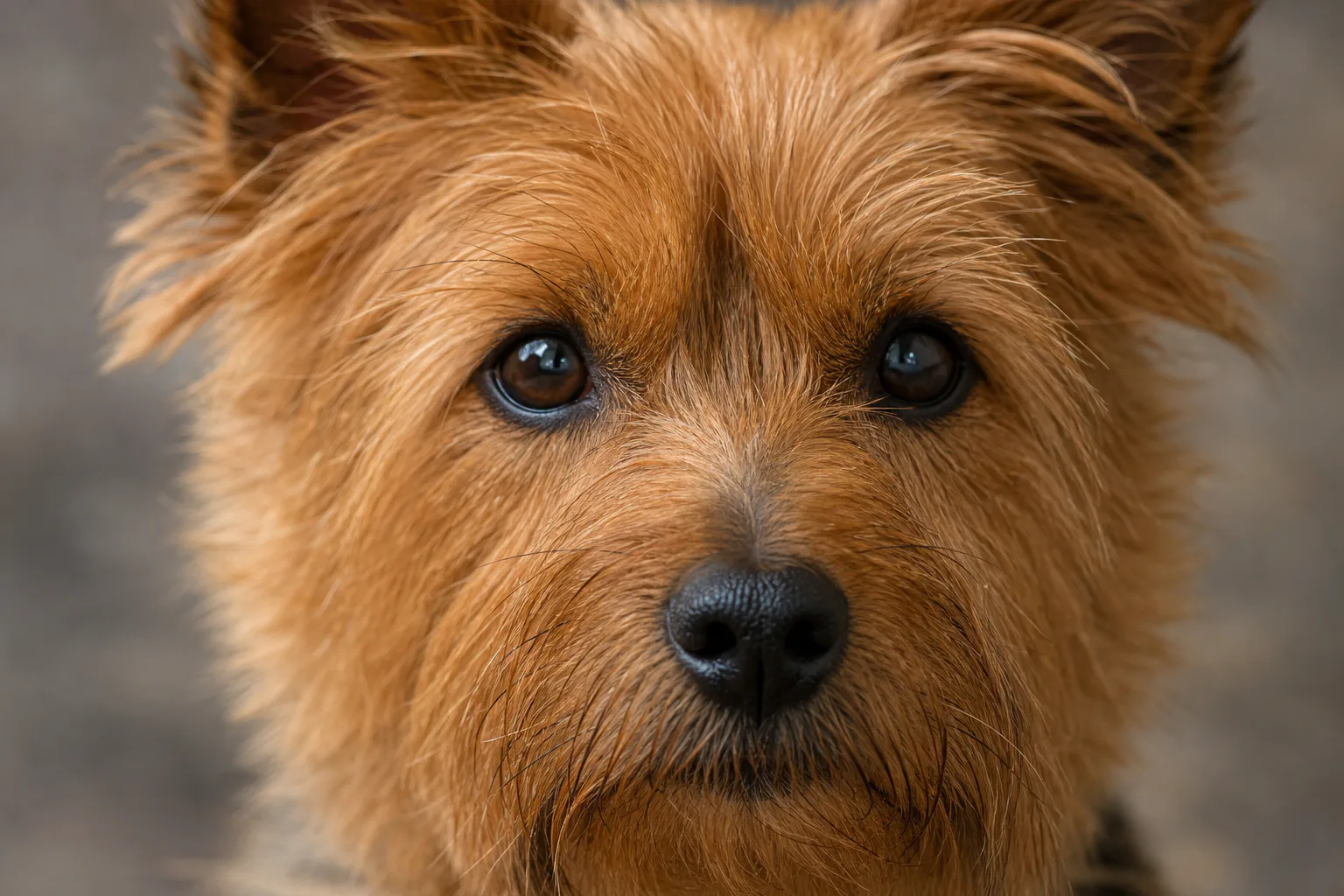
The Australian Terrier developed from terriers brought to Australia by British settlers. These early dogs were selected for resilience, courage, and the ability to work across farms, mining areas, waterfronts, and remote settlements.
Its jobs included controlling rats and snakes, guarding property, helping around sheep stations, and serving as a loyal companion. This background explains why the breed remains alert, independent, and ready to investigate unfamiliar sounds or movement.
The Australian Terrier was bred to work close to people while still making decisions independently. That combination gives it a cooperative side, but it also means training should be consistent rather than forceful.
Appearance and physical traits
Small but sturdy
The Australian Terrier has a low-set, solid frame and stands about 10 to 11 inches at the shoulder for males, with females slightly shorter. Weight is generally 14 to 16 pounds for males and 11 to 14 pounds for females.
Its proportions give it a practical working appearance rather than a delicate toy-dog build. The breed has a long body compared with its height, short legs, a strong muzzle, erect ears, and an alert expression.
Coat and colors
The coat is straight and relatively short, with a harsher outer layer that helps protect the dog from weather and rough vegetation. Common colors include blue and tan, solid sandy, and solid red.
Grooming is manageable because the coat does not require elaborate styling. Regular brushing helps remove loose hair and dirt, while occasional bathing, nail care, ear checks, and dental care support general hygiene.
Australian Terrier temperament
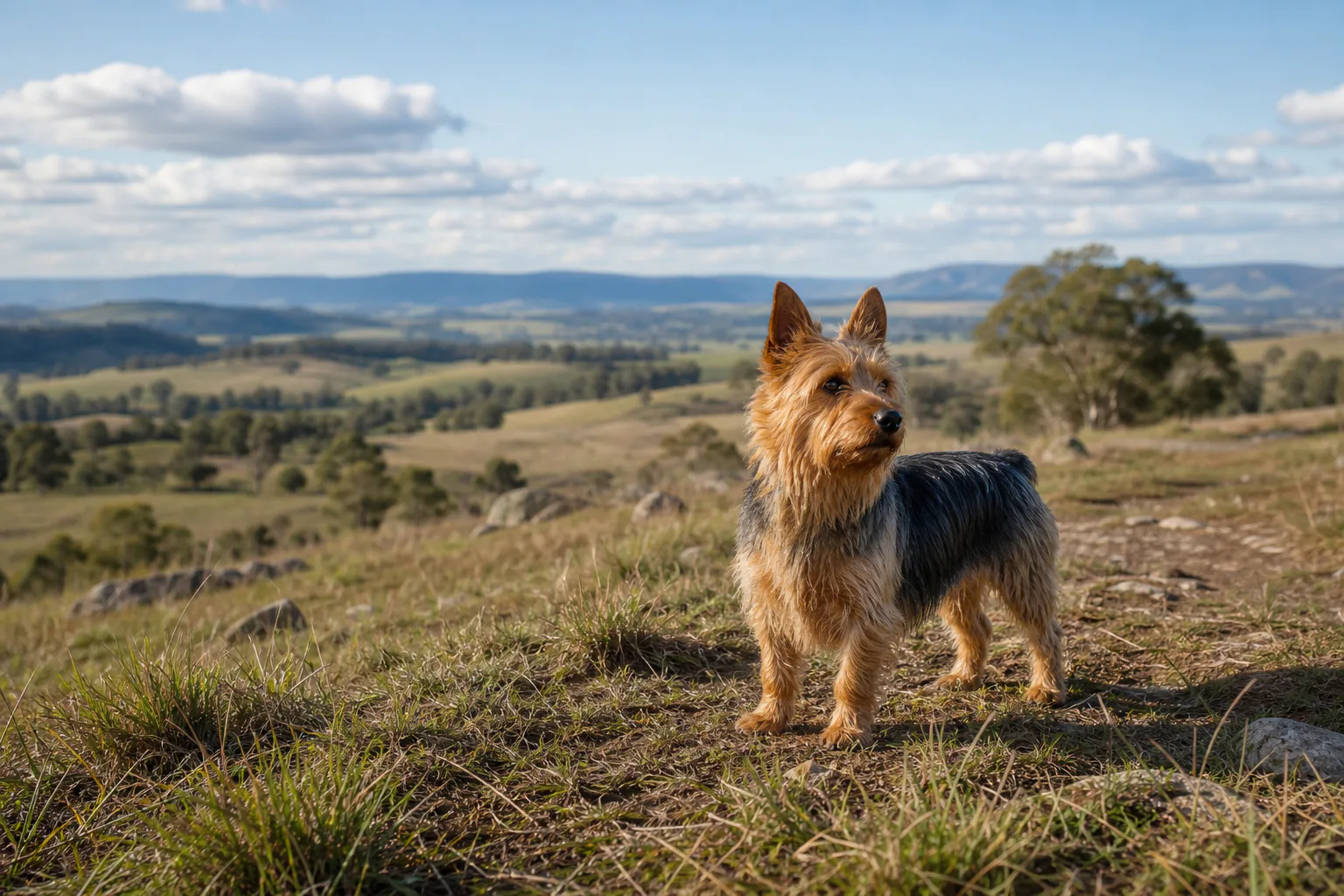
The Australian Terrier temperament combines affection, confidence, alertness, and independence. Many form close bonds with their household and enjoy following family members from room to room, but they can also be reserved or aloof with unfamiliar people.
This is an active terrier with a strong prey drive. Small animals, fast-moving objects, and unexplored areas can trigger chasing, so secure fencing and reliable leash habits are important.
- Alert and responsive to activity around the home
- Affectionate with familiar people
- Intelligent and capable of learning quickly
- Independent enough to test inconsistent rules
- Willing to chase vermin and other small moving animals
- Potentially vocal when bored, excited, or reacting to activity
Early socialization helps the dog develop calm responses to visitors, handling, household sounds, and other dogs. Socialization should be gradual and positive, not a forced introduction to every person or animal.
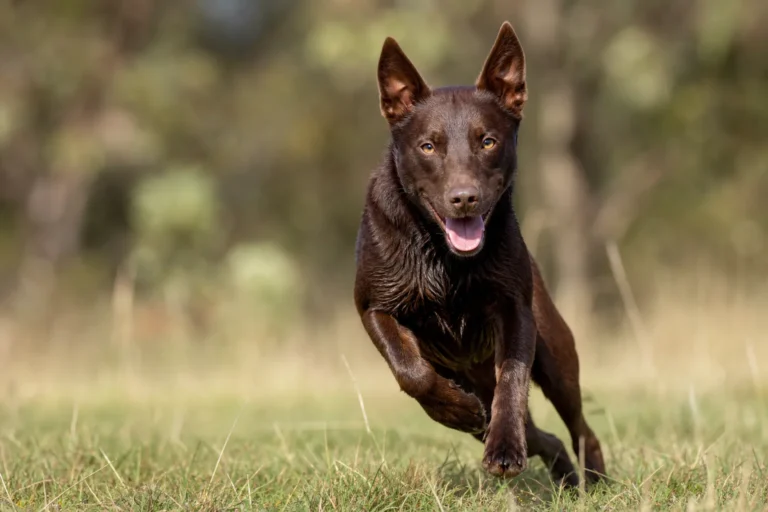
Its working instincts differ from those of a larger herding breed. For a useful comparison, the Australian Kelpie dog was developed for sustained livestock work, while the Australian Terrier was built for compact, close-range pest control and companionship.
Exercise and daily enrichment
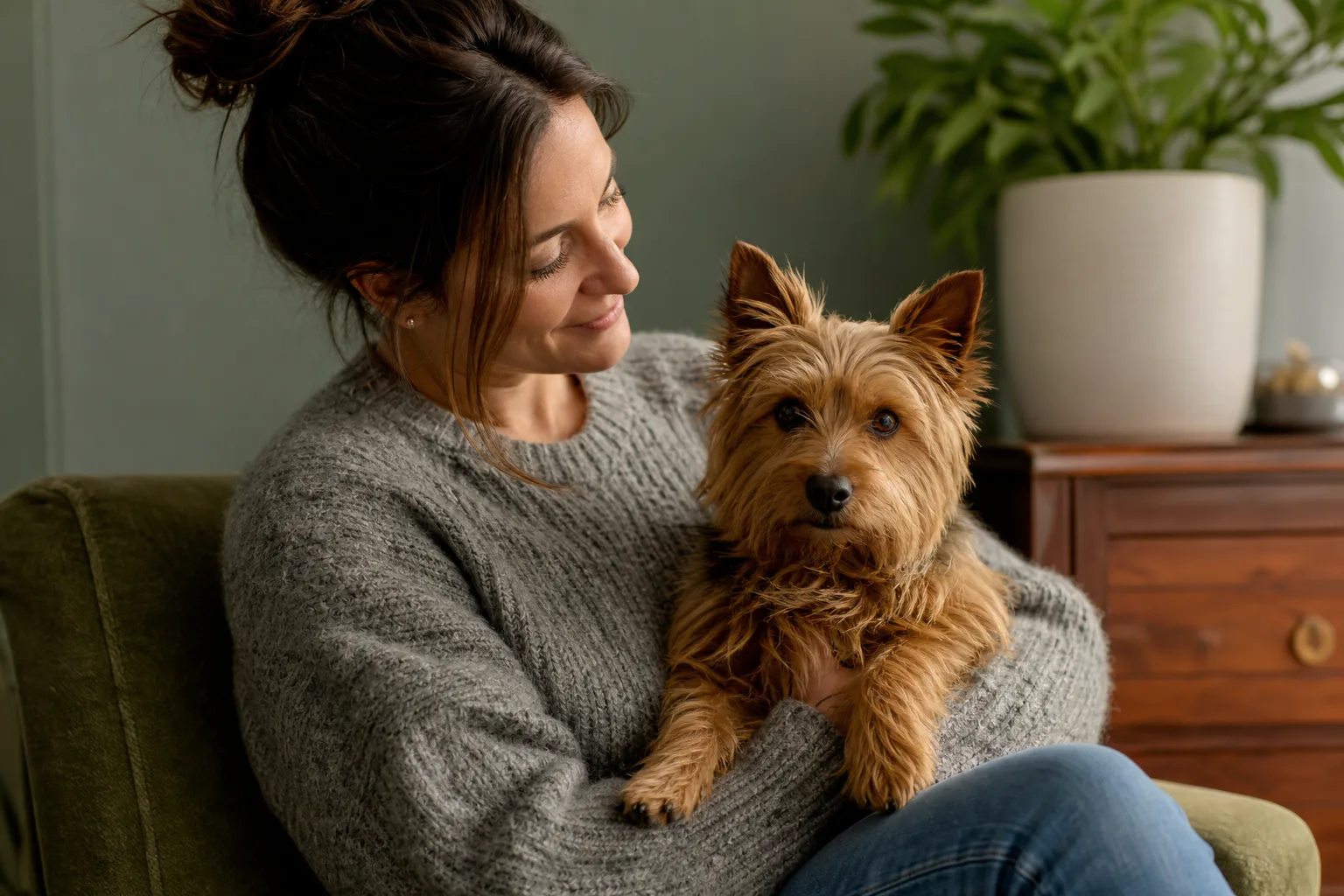
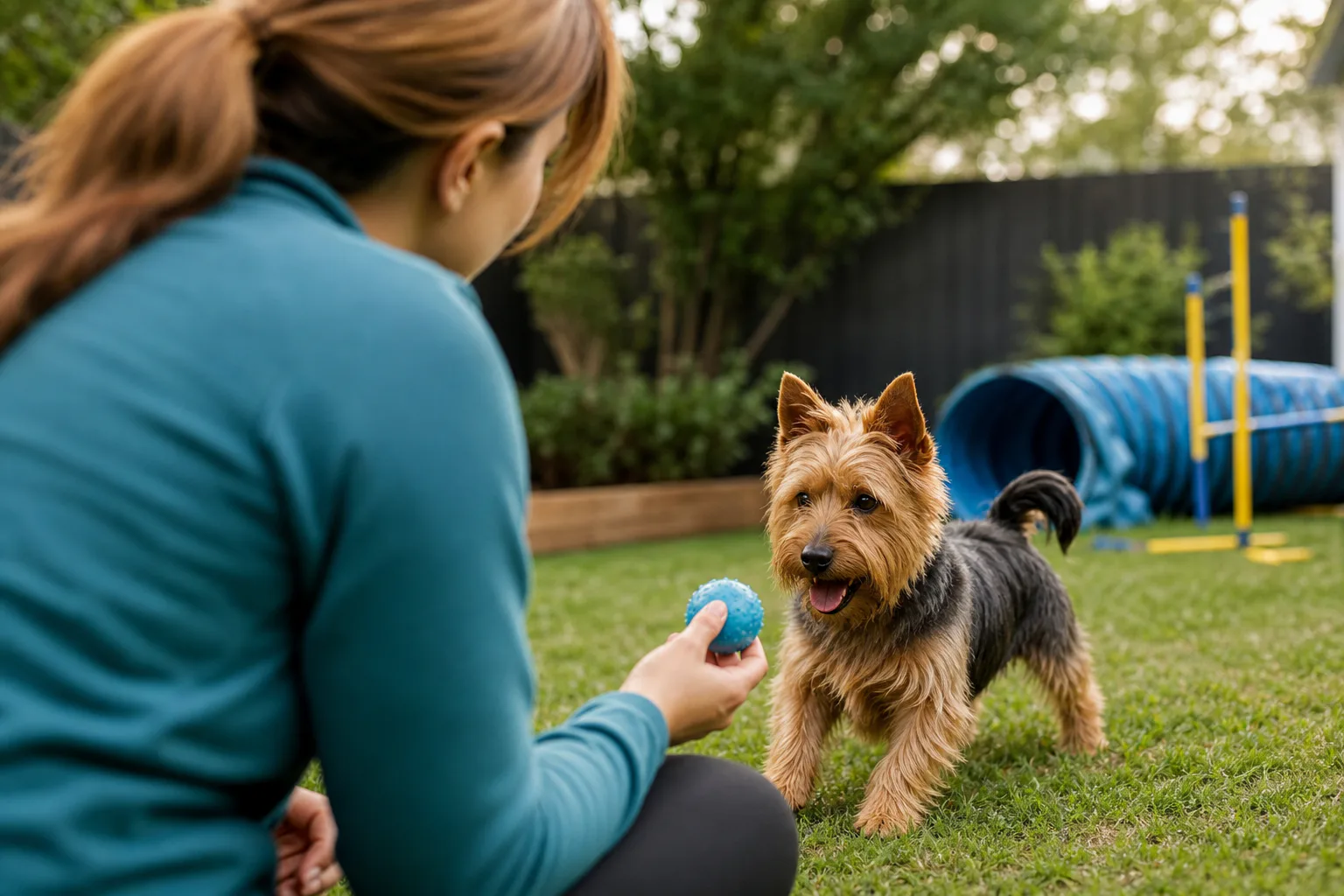
The Australian Terrier needs regular physical activity, but its small size makes many routines practical in ordinary homes. Walks, supervised outdoor time, play, and short training sessions can help meet its needs.
Exercise should include mental work as well as movement. A terrier that receives only physical activity can still become restless if it lacks opportunities to sniff, solve problems, learn behaviors, and interact with its family.
- Daily walks with time for controlled sniffing
- Short obedience or trick-training sessions
- Fetch and interactive play
- Search games using safe toys or treats
- Secure outdoor exploration
- Activities such as agility, obedience, or rally obedience
Because of its prey drive, off-leash exercise should take place only in a secure area unless the dog has exceptional recall and the surroundings are appropriate. A fenced yard is useful, but it does not replace walks, training, or time with people.
Training approach
This breed responds best to clear, reward-based training that keeps sessions brief and purposeful. Repetition without variety can reduce interest, while harsh corrections can damage trust and encourage resistance.
Begin with name recognition, recall, loose-leash walking, handling, and a reliable “leave it” cue. These skills are especially valuable for a dog bred to pursue rats and other small animals.
Terriers often notice patterns quickly, including patterns that accidentally reward barking, jumping, or ignoring a cue. Everyone in the household should use the same rules, rewards, and responses.
Grooming and home care
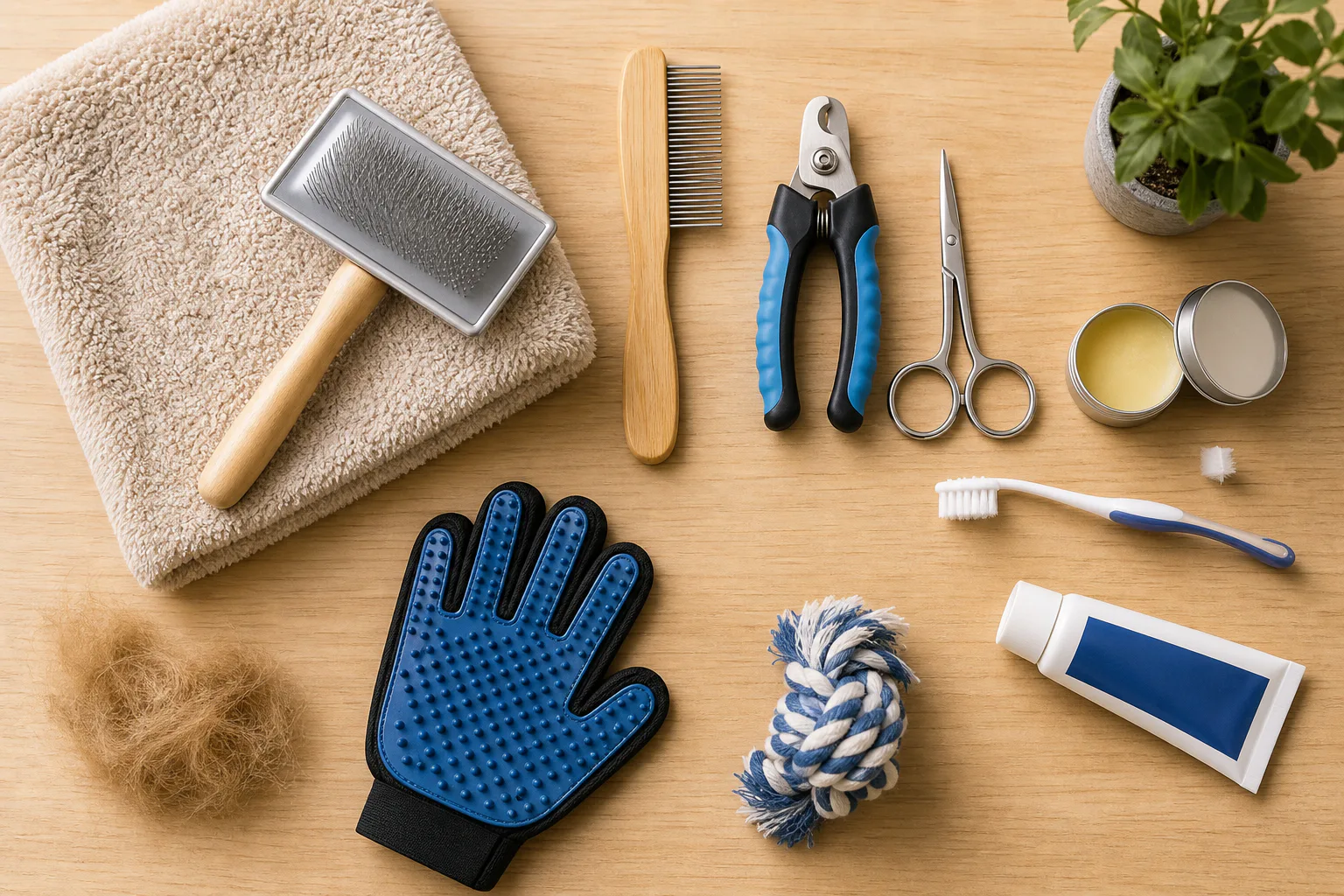
The Australian Terrier is relatively easy to groom compared with breeds that need extensive coat styling. Brush regularly to remove loose hair and keep the coat clean, and check the skin after outdoor activity because the dog’s working background encourages close contact with vegetation and soil.
- Brush the coat regularly
- Trim nails before they become overgrown
- Check and clean ears as advised by a veterinary professional
- Brush teeth routinely with dog-safe dental products
- Keep the dog’s bedding and living areas clean
Regular handling from puppyhood makes nail trimming, brushing, ear checks, and veterinary examinations easier. Grooming is also a practical way to notice changes in the skin, paws, coat, or body early.
Health and longevity
Australian Terriers are generally regarded as sturdy small dogs, and their expected lifespan is about 11 to 15 years. Good care includes age-appropriate nutrition, routine veterinary examinations, parasite prevention, dental care, exercise, and maintaining a healthy body condition.
Prospective owners should ask breeders about veterinary screening, family health history, vaccination records, and the care provided to puppies. A responsible breeder should also discuss the breed’s temperament and explain how the puppies have been raised and socialized.
Health needs change with age. Puppies require careful growth and social development, adults benefit from consistent activity and dental care, and senior dogs may need adjustments to exercise, diet, home access, and veterinary monitoring.
Is this breed suitable for you?
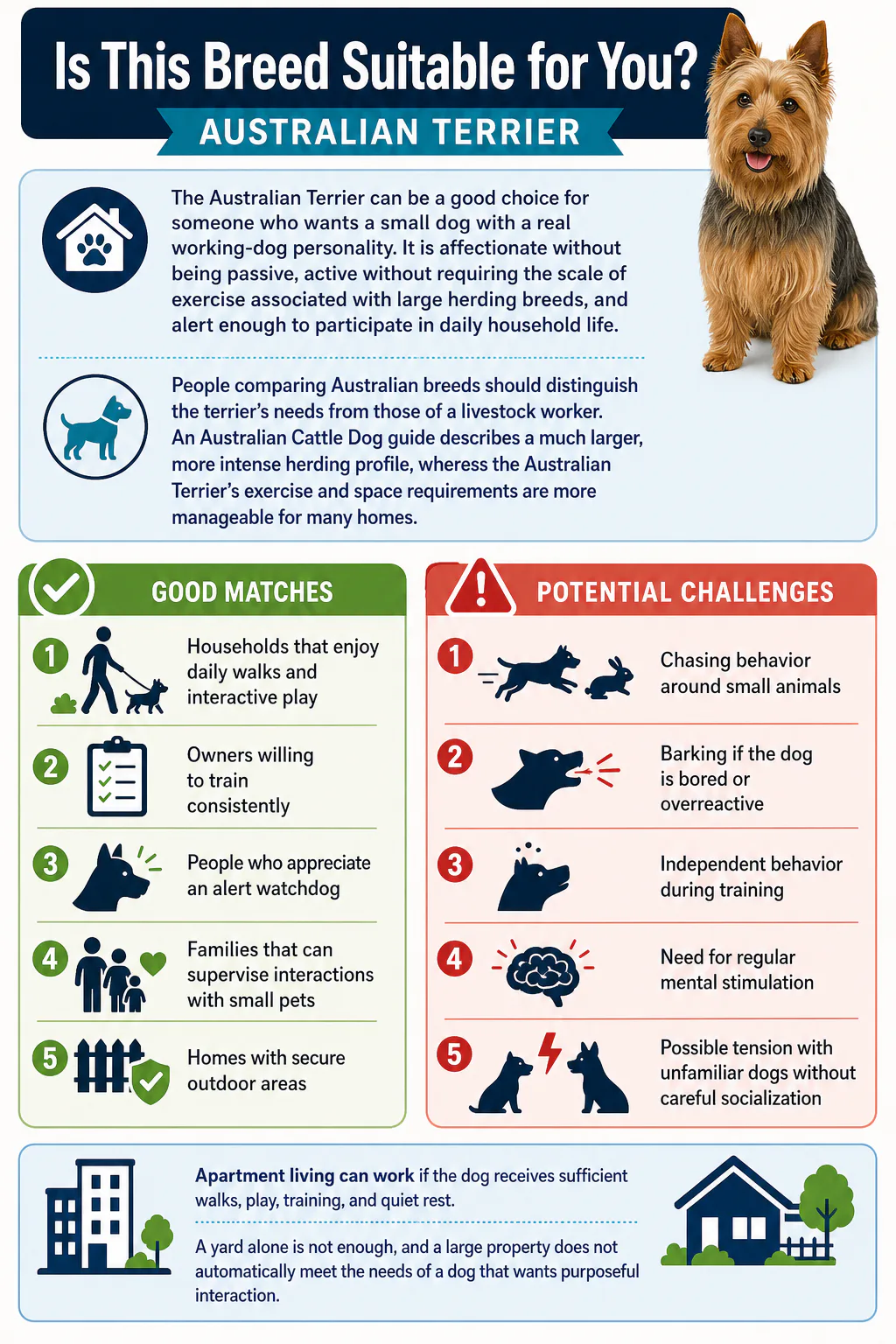
The Australian Terrier can be a good choice for someone who wants a small dog with a real working-dog personality. It is affectionate without being passive, active without requiring the scale of exercise associated with large herding breeds, and alert enough to participate in daily household life.
People comparing Australian breeds should distinguish the terrier’s needs from those of a livestock worker. An Australian Cattle Dog guide describes a much larger, more intense herding profile, whereas the Australian Terrier’s exercise and space requirements are more manageable for many homes.
Good matches
- Households that enjoy daily walks and interactive play
- Owners willing to train consistently
- People who appreciate an alert watchdog
- Families that can supervise interactions with small pets
- Homes with secure outdoor areas
Potential challenges
- Chasing behavior around small animals
- Barking if the dog is bored or overreactive
- Independent behavior during training
- Need for regular mental stimulation
- Possible tension with unfamiliar dogs without careful socialization
Apartment living can work if the dog receives sufficient walks, play, training, and quiet rest. A yard alone is not enough, and a large property does not automatically meet the needs of a dog that wants purposeful interaction.
Finding a puppy or adult dog
Searches for an Australian Terrier puppy or an Australian Terrier for sale should begin with careful evaluation rather than price alone. Contact breeders who provide clear health records, allow questions about temperament, explain their socialization practices, and show concern for where their dogs are placed.
Before committing, ask to see the mother and, where appropriate, other close relatives. Observe whether the dogs appear clean, alert, comfortable with people, and appropriately housed. Be cautious of sellers who pressure you to pay quickly, avoid health questions, or cannot provide basic veterinary documentation.
Adoption is another option, although availability depends on location and timing. An adult dog can make its established temperament easier to assess, while a puppy requires a longer commitment to house training, socialization, supervision, and basic education.
Australian Terrier price varies with location, breeder practices, pedigree, age, and included veterinary care. Compare the quality of care and documentation rather than choosing solely by the lowest advertised amount.
Frequently asked questions
Is the Australian Terrier a good family dog?
It can be a good family companion for households that provide supervision, training, exercise, and respectful interactions. Its small size does not remove its terrier instincts, so young children should be taught how to handle and play with the dog safely.
Does the Australian Terrier shed?
The breed has a relatively manageable coat, but no dog should be treated as completely non-shedding. Regular brushing helps control loose hair and keeps the coat in good condition.
Is the Australian Terrier easy to train?
It is intelligent and capable of learning many behaviors, but its independent terrier nature requires consistency. Short, reward-based sessions and clear household rules usually produce better results than repetitive or harsh training.
Can an Australian Terrier live with cats?
Some can live successfully with cats, particularly when introduced carefully from an early age. However, its vermin-hunting background means owners should assess each dog individually and use management, supervision, and secure separation when necessary.
What is the difference between an Australian Terrier and an Airedale Terrier?
Both are terriers with working origins, but they differ substantially in size and history. The Australian Terrier is a compact Australian breed, while the Airedale Terrier dog is a much larger British terrier with different exercise, space, and handling requirements.
Final recommendation
Choose the Australian Terrier if you want a small, alert, affectionate dog and are prepared to manage terrier instincts through training, enrichment, and supervision. Meet adult dogs where possible, ask detailed questions about health and temperament, and select a breeder or rescue organization that prioritizes responsible placement.