Aussiedoodle Dog Guide: Temperament, Care, Cost, and Health
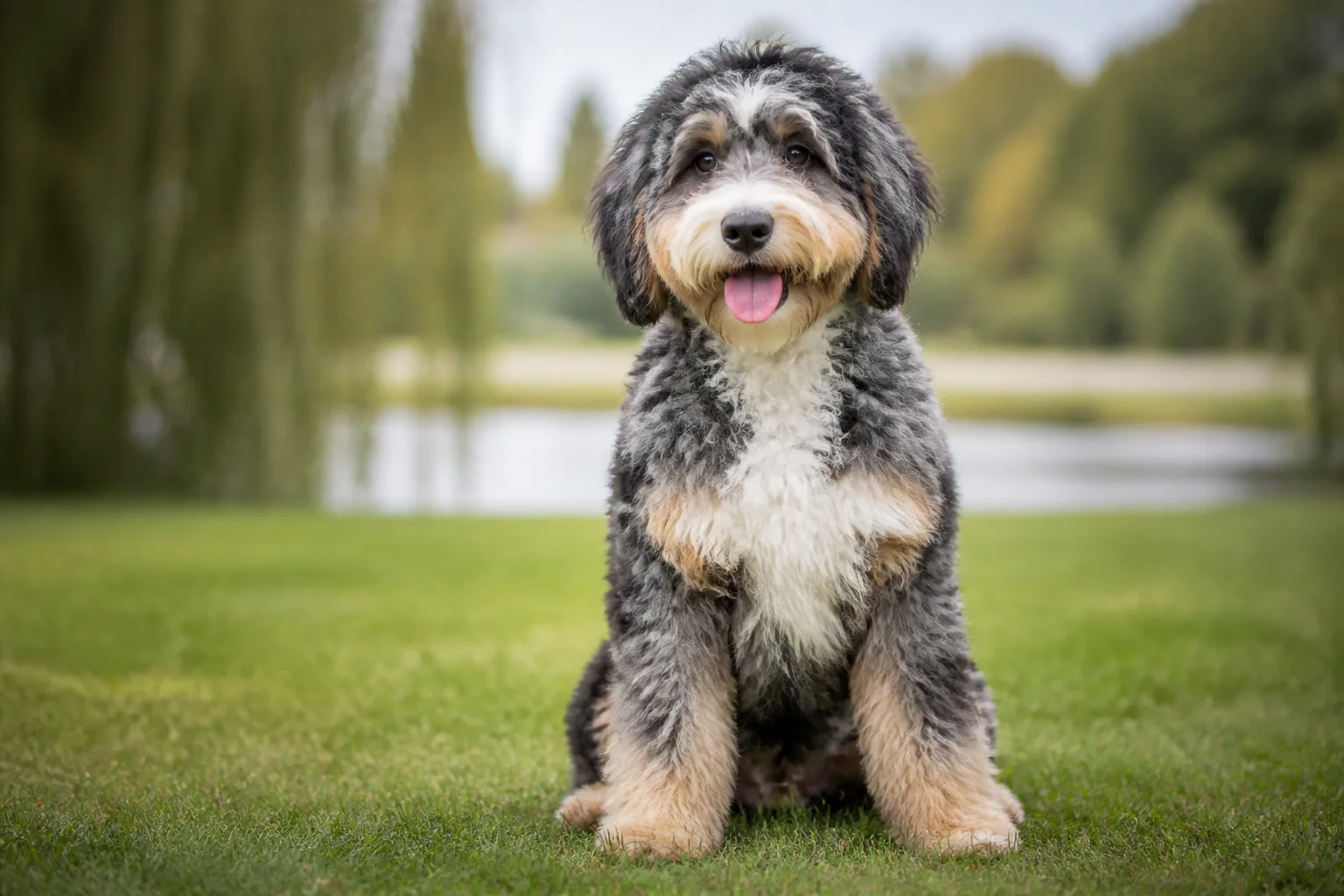
The Aussiedoodle combines the intelligence and athleticism of an Australian Shepherd and a Poodle with an affectionate, people-focused temperament. Its adaptable size can suit different homes, but every Aussiedoodle needs substantial activity, regular coat care and daily interaction. Before choosing one, consider your available exercise time, grooming budget, living space and tolerance for herding or alert-barking behavior.
Aussiedoodle Breed Snapshot
| Attribute | Details |
|---|---|
| Breed type | Australian Shepherd and Poodle cross |
| Origin | Late 1990s to early 2000s |
| Size | Toy, Mini, Medium, Standard |
| Height | Approximately 15–25 inches |
| Weight | 5–70 pounds |
| Temperament | Affectionate, loyal, social, alert, intelligent |
| Energy level | Very high |
| Daily exercise | 60–120 minutes |
| Coat | Wavy, curly, straight, short, mixed textures |
| Shedding | Low to minimal; coat-dependent |
| Grooming | Brushing two to three times weekly; clipping every 6–8 weeks |
| Training | Highly trainable; positive reinforcement |
| Health concerns | Hip dysplasia, eye disease, allergies, ear infections |
| Lifespan | 10–15 years by size |
| Cost | Breeder puppy $1,500–$5,000; rescue $150–$600 |
Aussiedoodle puppies can differ in coat texture, energy level and adult size, even when they share the same parent breeds. Comparing them with another popular Poodle cross shows how much the non-Poodle parent can affect exercise needs and temperament. A Labradoodle comparison offers another clear example of that influence.
What Is an Aussiedoodle Dog?
An Aussiedoodle is a deliberate cross between an Australian Shepherd and a Poodle. The mix is also called an Aussiepoo. It brings together the Australian Shepherd’s herding ability and work ethic with the Poodle’s intelligence, athleticism and varied coat types.
Aussiedoodles are not a standardized purebred with one fixed appearance. Adult size, coat texture, shedding and behavior depend on the traits and size of both parents. A puppy with a tightly curled coat may need a very different grooming routine from one with a short or mostly straight coat.
The cross likely became established in the late 1990s or early 2000s. Aussiedoodles appeal to owners who want a sociable, eager-to-please companion for obedience, tricks, agility, hiking, swimming and other active family activities.
Many Aussiedoodles inherit intelligence, alertness and herding instincts from the Australian Shepherd parent. Training can be rewarding, but without structure and mental stimulation, these dogs may chase, nip or become restless. Understanding Australian Shepherd traits can help you anticipate these behaviors in an Aussiedoodle.
Aussiedoodle Sizes and Appearance
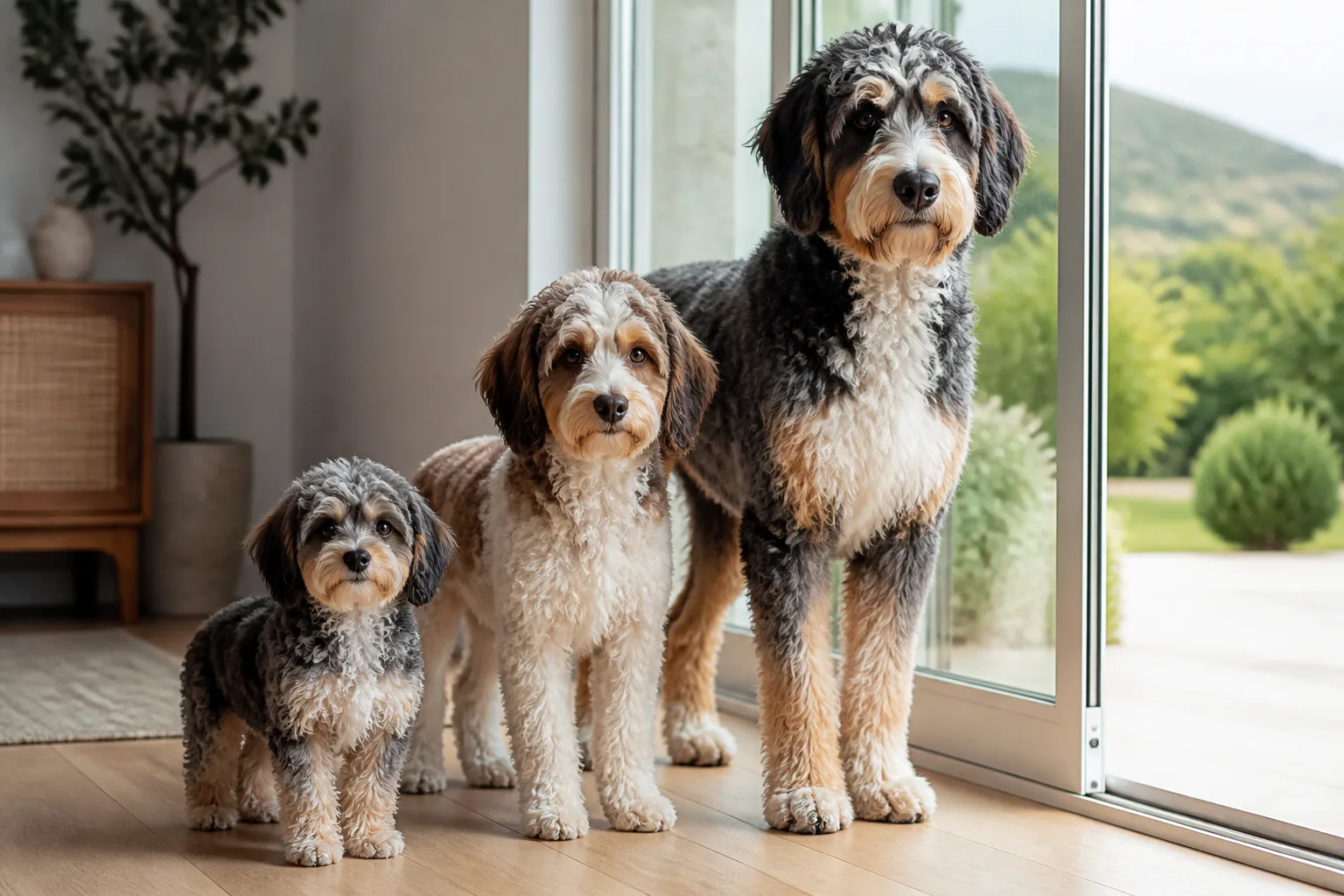
Size depends largely on the Poodle parent and the breeding program’s naming conventions. Adult measurements overlap between categories, so ask for the parents’ actual heights and weights instead of relying only on labels such as “mini” or “medium.”
| Size | Adult height | Adult weight | Daily exercise | Grooming intensity | Household fit |
|---|---|---|---|---|---|
| Toy Aussiedoodle | 10–12 inches | 10–15 pounds | 30–45 minutes | High; brush two to three times weekly and groom every 6–8 weeks | Suitable for smaller homes with daily enrichment; handle carefully around young children |
| Mini Aussiedoodle | 12–18 inches | 15–35 pounds | 45–60 minutes | High; coat type determines matting risk and brushing frequency | Adaptable to apartments or houses when exercise and training are consistent |
| Medium Aussiedoodle | 17–20 inches | 30–45 pounds | At least 60 minutes | High; regular brushing and professional clipping are required | Best for households with room for active play and time for daily activities |
| Standard Aussiedoodle | 19–25 inches | 45–70 pounds | 75–90 or more minutes | High; larger coats require thorough brushing and scheduled clipping | Best for active homes with secure space and substantial exercise time |
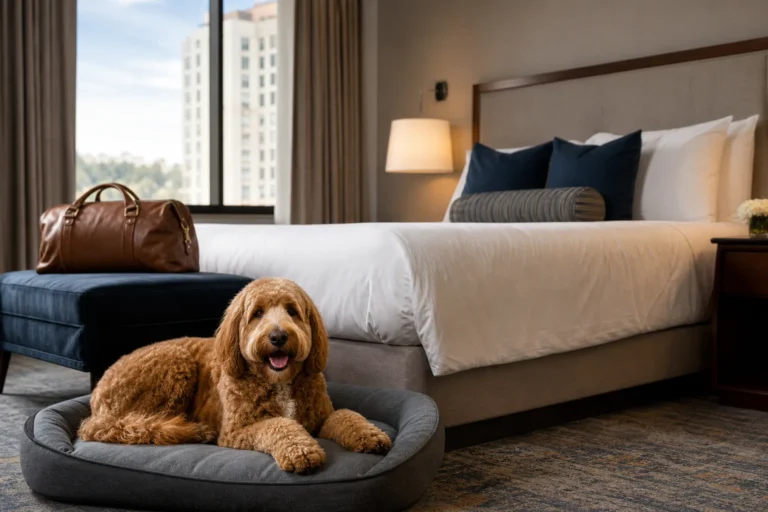
Coats may be wavy, loosely curled, tightly curled, short, straight or mixed. Common colors and patterns include chocolate, black-and-white, merle and tri-color. Eye color also varies, particularly in merle dogs. Because size and coat traits are unpredictable, the parents’ adult measurements and coats offer more useful guidance than the category name alone.
Aussiedoodle Temperament and Behavior
A well-socialized Aussiedoodle is affectionate, loyal, alert, intelligent, athletic and eager to please. Most want regular involvement with the household and respond best to clear routines, reward-based training and purposeful activities. Their intelligence helps them learn quickly, but boredom can lead to unwanted behavior.
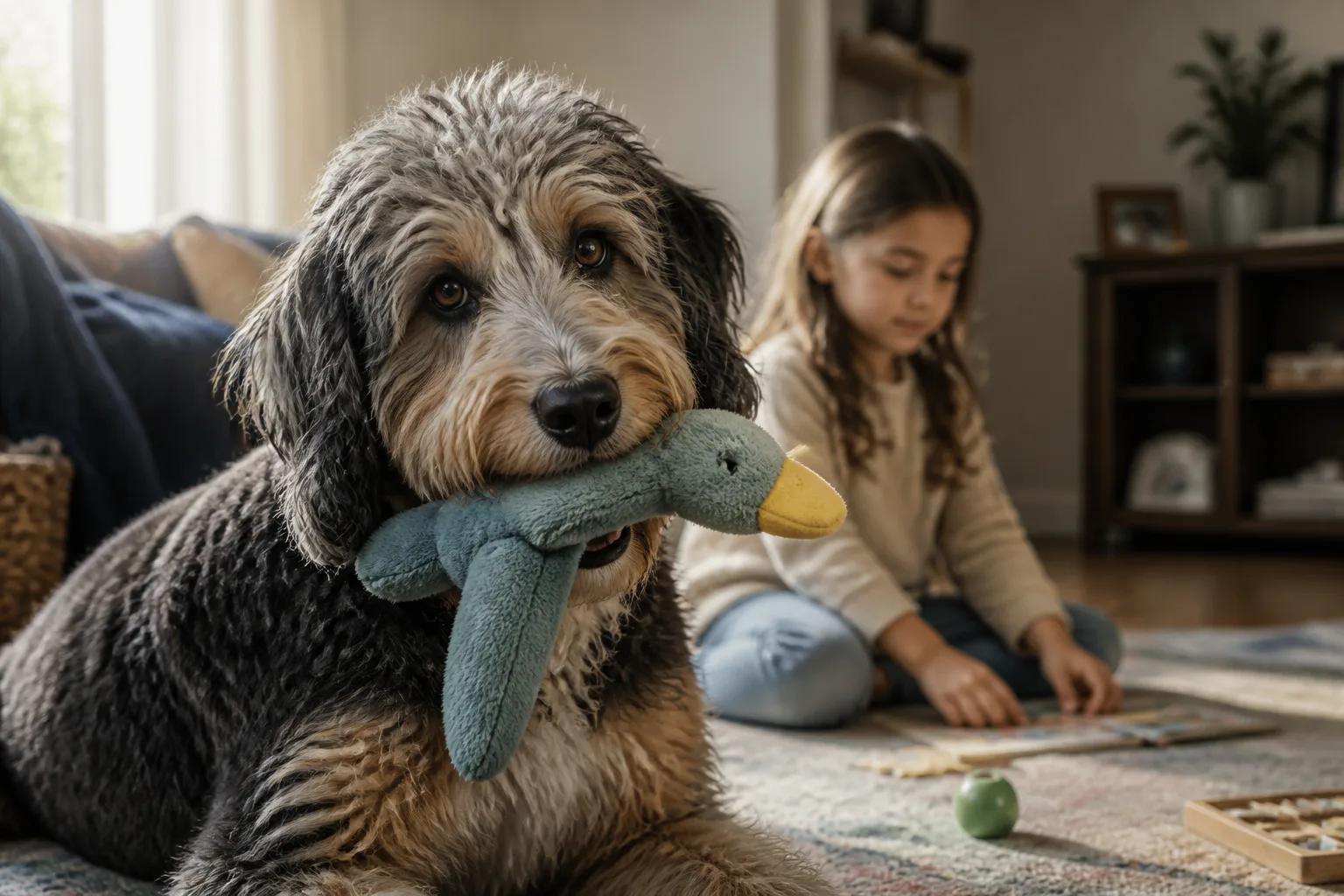
Australian Shepherd ancestry can produce herding behavior. An Aussiedoodle may circle children, chase movement or nip at ankles when excited. Early socialization and training can replace those actions with behaviors such as sitting for attention or carrying a toy.
Some Aussiedoodles bark when they notice danger or unusual activity. Separation anxiety can also develop if alone time increases too quickly. Gradual departures, calm arrivals, food puzzles and short practice absences help build independence. Dogs left alone for a full workday may still struggle without a midday break.
Exercise and Training Requirements
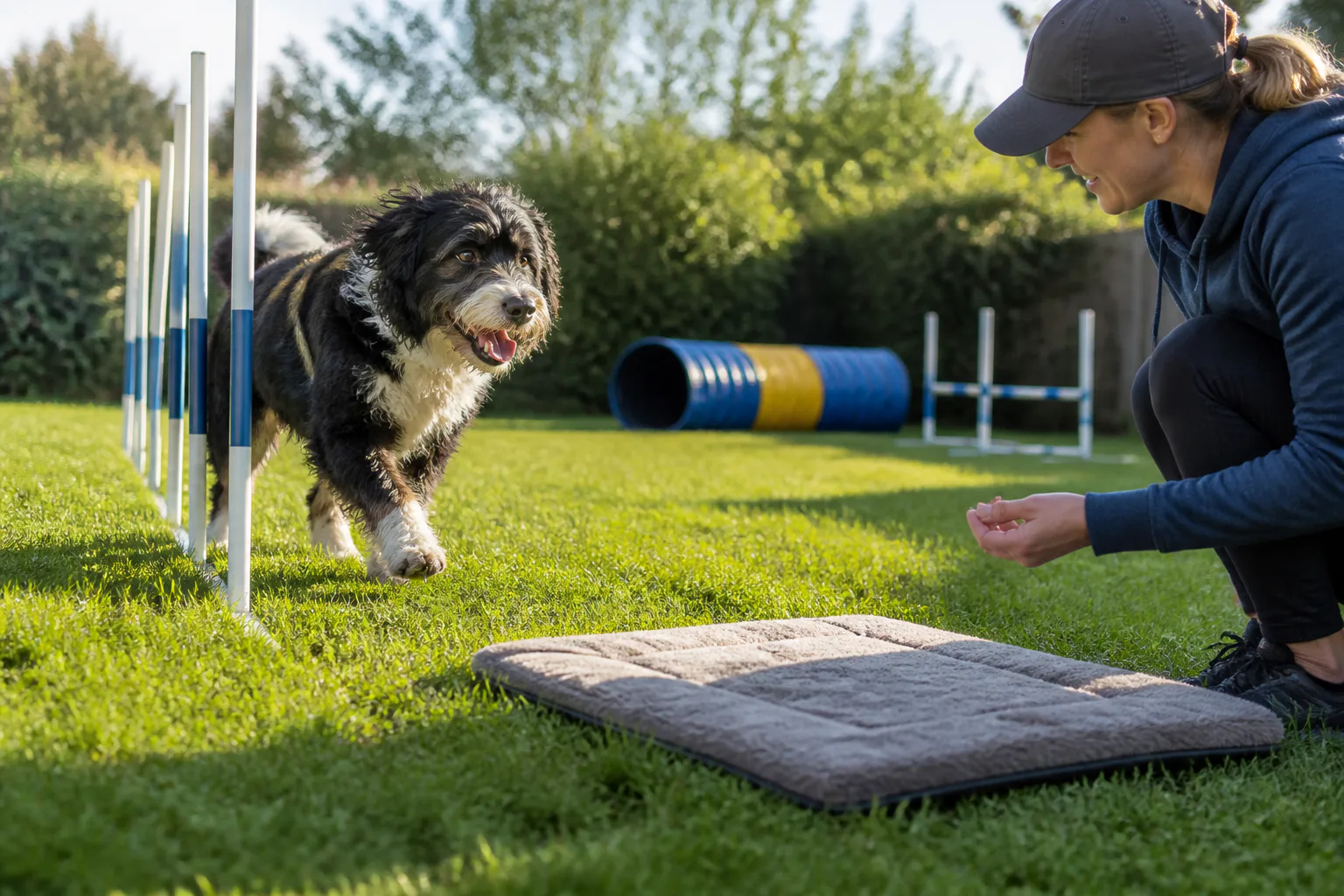
Many Aussiedoodles need approximately 60–120 minutes of daily activity, although the right amount depends on size, age, health and individual drive. A walk may not be enough for a dog descended from two intelligent, active breeds. Include physical exercise and activities that require the dog to think and make decisions.
- Use walking, running, hiking, swimming and vigorous fetch for physical exercise.
- Rotate agility, flyball, obedience, trick training and scent-based games.
- Provide puzzle toys, food-dispensing toys and simple household jobs.
- Teach calm settling, polite greetings, recall, leash skills and an interruption cue.
- Introduce people, dogs, surfaces, traffic, grooming and veterinary handling gradually.
Positive reinforcement suits this sensitive, observant breed. Harsh corrections can increase anxiety, barking or resistance. Puppies also need age-appropriate exercise because repetitive jumping and forced endurance work can stress developing joints.
Grooming and Shedding Needs
Aussiedoodles often shed less than Australian Shepherds, but no dog is truly hypoallergenic. Shedding varies by coat type. Tight curls may retain loose hair while matting easily, whereas straighter coats may release more hair around the home.
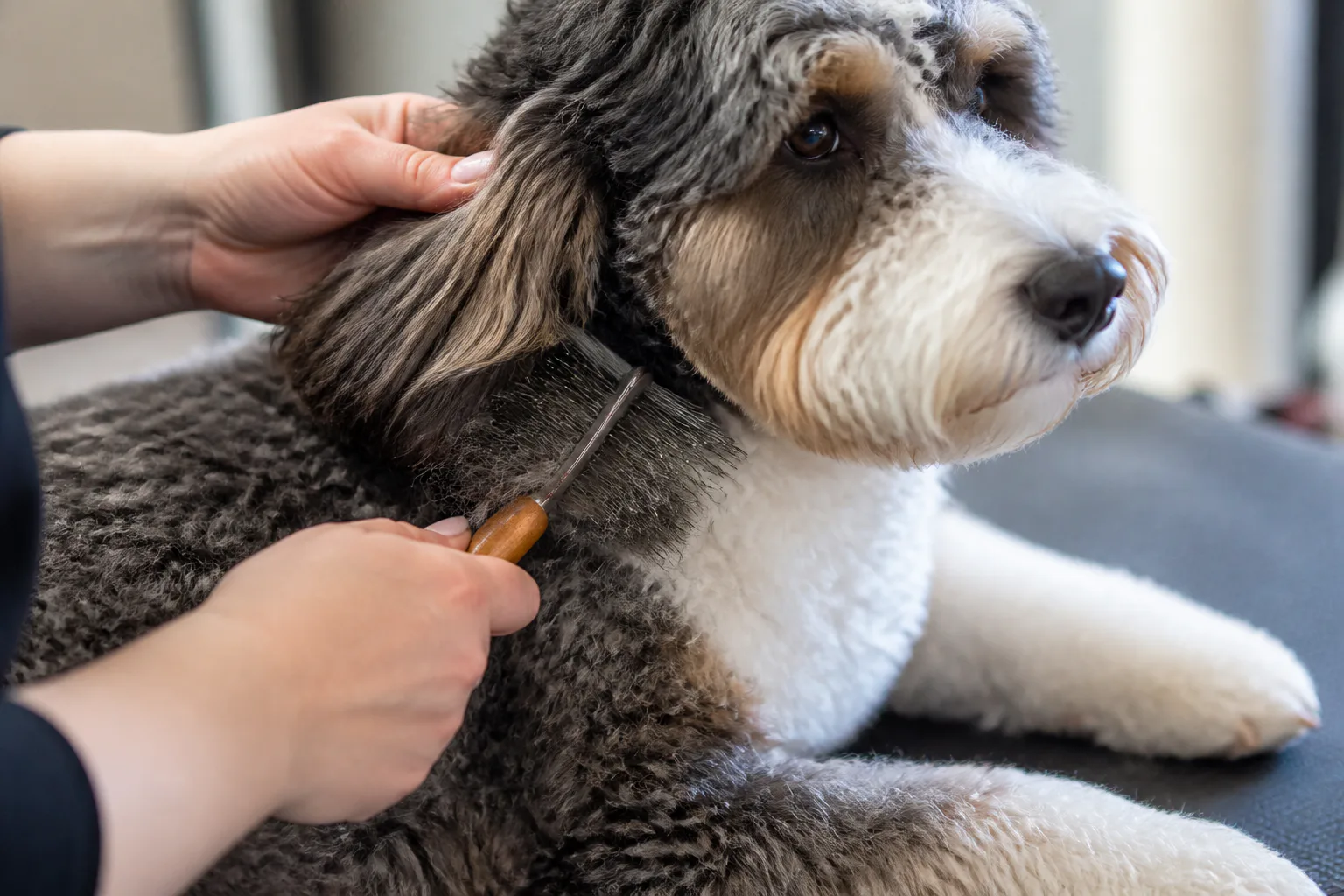
- Brush at least two to three times weekly, increasing the frequency during coat transition.
- Comb all the way to the skin, especially behind the ears, under the legs, around the collar and at the tail.
- Schedule professional grooming every 6–8 weeks for clipping, bathing, drying and nail care.
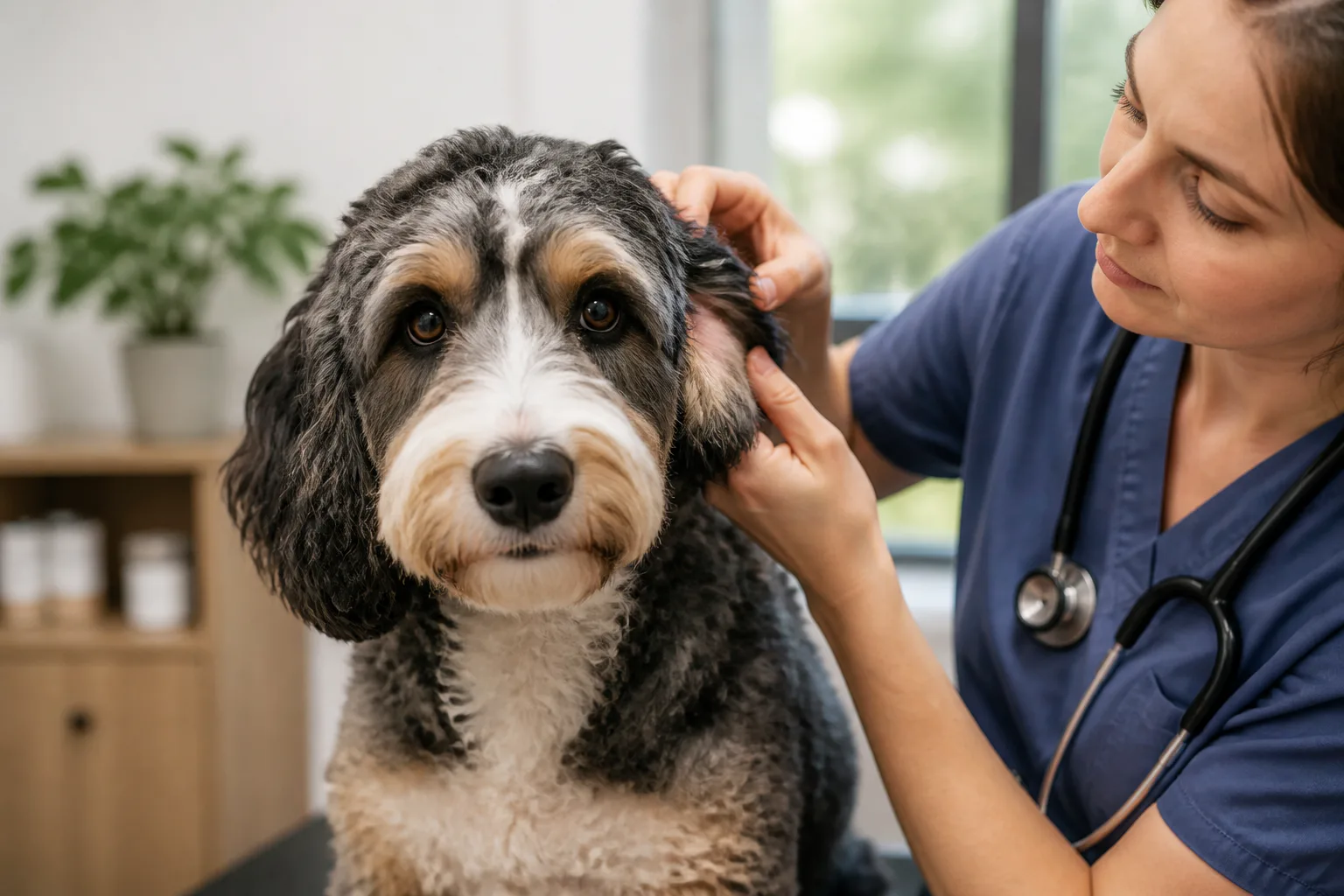
- Check the ears regularly because floppy, hairy ears can retain moisture and contribute to infections.
- Introduce brushing, clippers, dryers, paw handling and nail trims during puppyhood.
Without regular brushing, mats can form close to the skin, causing pain and hiding irritation. A shorter trim reduces maintenance but does not remove the need for brushing, ear care or professional grooming.
An Aussiedoodle may shed less than some purebred dogs, but loose hair can get caught in its curls and form mats close to the skin. Brush regularly, dry the coat carefully, check the ears and schedule trims rather than relying on visible shedding to judge maintenance. The same combination of brushing, drying and regular trims matters for Cockapoo coat care as well.
Aussiedoodle Pros and Cons
Aussiedoodles are intelligent, social and capable of joining their owners in many activities. They also require a demanding exercise routine, consistent grooming and regular companionship. Barking, herding and separation anxiety can become problems when physical and mental outlets are inconsistent.
- Advantages: intelligent, affectionate, athletic, family-oriented, responsive to training and often low-shedding.
- Challenges: demanding exercise schedule, professional grooming costs, matting risk, alert barking, herding behavior and separation anxiety.
- Best fit: active households that include the dog in daily routines and enjoy training or outdoor activities.
- Poor fit: sedentary homes, households away most of the day or owners seeking a low-maintenance dog.
Low shedding does not mean low maintenance. Coat care may take more time than cleaning up loose hair, especially when a curly coat mats easily.
Aussiedoodle Health and Lifespan
Health concerns include hip dysplasia, Progressive Retinal Atrophy, cataracts, allergies and ear infections. Size-related risks also matter. Toy Aussiedoodles can face patellar luxation, PRA and dental disease, while Standard Aussiedoodles have greater concern for bloat, hip dysplasia and Addison’s disease.
Crossing two breeds does not remove inherited health risks. A responsible breeder should provide verifiable health records for both parents, including OFA hip, elbow and eye clearances when applicable, along with relevant genetic testing. Ask to see the records rather than accepting a general claim that the parents are “health tested.”
Routine veterinary care should cover weight management, dental care, parasite prevention, eye monitoring and prompt treatment for recurring ear or skin problems. Lifespan is about 10–12 years for many Standards and 12–15 years for many Toys, while Minis and Mediums commonly fall between those ranges.
An Aussiedoodle’s needs change from puppyhood to adulthood and again in its senior years. Puppies need training and carefully managed exercise, while older dogs often benefit from gentler activity, weight control and more frequent health checks. A dog age calculator can help you match your dog’s calendar age to its current life stage.
Is an Aussiedoodle Right for You?
An Aussiedoodle can live happily in a house or apartment when exercise, training and companionship are part of the daily routine. A fenced yard helps, particularly for a Standard, but it does not replace walks, enrichment or supervised interaction. Mini and Toy Aussiedoodles can live in apartments when their needs are met outside the home.
- Families with children: suitable when adults supervise interactions and train away ankle-nipping or chasing.
- Homes with other pets: workable with careful introductions and management of herding or chase behavior.
- Active owners: a strong fit for hiking, running, dog sports, swimming and regular training.
- First-time owners: possible with consistent training, grooming funds and professional guidance.
- Small homes: best suited to Toy or Mini dogs that receive substantial daily activity outside the home.
- Frequent travelers or long workdays: challenging without reliable companionship, exercise and midday care.
Older children may be a better match for Toy Aussiedoodles because of their delicate size. Standards need secure space and careful conditioning, while every size needs structured rest as well as activity.
How to Buy or Adopt One
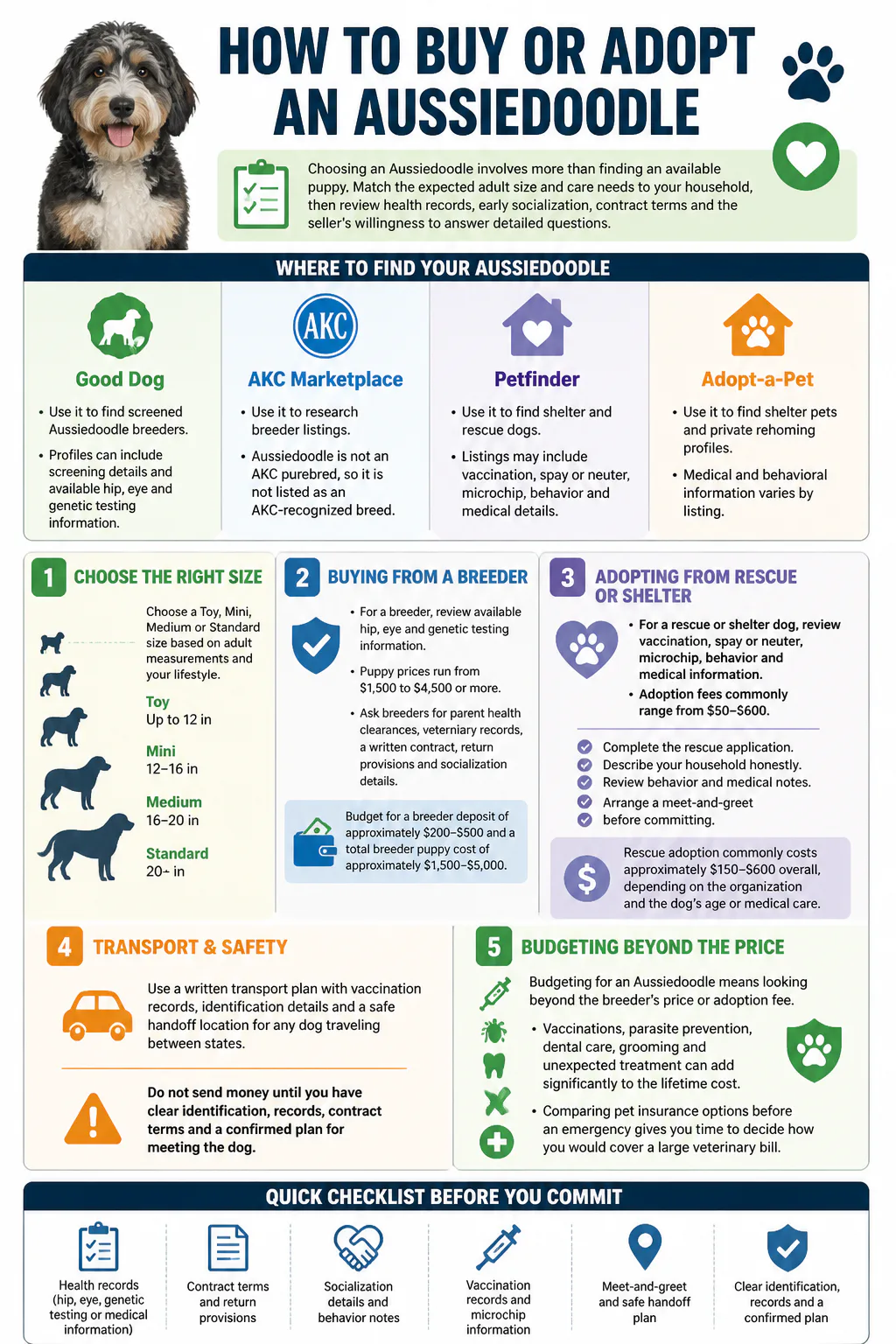
Choosing an Aussiedoodle involves more than finding an available puppy. Match the expected adult size and care needs to your household, then review health records, early socialization, contract terms and the seller’s willingness to answer detailed questions.
- Good Dog: Use it to find screened Aussiedoodle breeders. Profiles can include screening details and available hip, eye and genetic testing information.
- AKC Marketplace: Use it to research breeder listings. Aussiedoodle is not an AKC purebred, so it is not listed as an AKC-recognized breed.
- Petfinder: Use it to find shelter and rescue dogs. Listings may include vaccination, spay or neuter, microchip, behavior and medical details.
- Adopt-a-Pet: Use it to find shelter pets and private rehoming profiles. Medical and behavioral information varies by listing.
- Choose a Toy, Mini, Medium or Standard size based on adult measurements and your lifestyle.
- For a breeder, review available hip, eye and genetic testing information. Puppy prices run from $1,500 to $4,500 or more.
- Ask breeders for parent health clearances, veterinary records, a written contract, return provisions and socialization details.
- Budget for a breeder deposit of approximately $200–$500 and a total breeder puppy cost of approximately $1,500–$5,000.
- For a rescue or shelter dog, review vaccination, spay or neuter, microchip, behavior and medical information. Adoption fees commonly range from $50–$600.
- Complete the rescue application, describe your household honestly, review behavior and medical notes, and arrange a meet-and-greet before committing.
- Use a written transport plan with vaccination records, identification details and a safe handoff location for any dog traveling between states.
Rescue adoption commonly costs approximately $150–$600 overall, depending on the organization and the dog’s age or medical care. Do not send money until you have clear identification, records, contract terms and a confirmed plan for meeting the dog.
Budgeting for an Aussiedoodle means looking beyond the breeder’s price or adoption fee. Vaccinations, parasite prevention, dental care, grooming and unexpected treatment can add significantly to the lifetime cost. Comparing pet insurance options before an emergency gives you time to decide how you would cover a large veterinary bill.
FAQs
Are Aussiedoodles hypoallergenic?
No dog is truly hypoallergenic. A low-shedding, curly-coated Aussiedoodle may leave less loose hair, but people can also react to dander, saliva and other proteins.
What causes Aussiedoodle behavior problems?
Under-exercise, boredom, inconsistent boundaries, limited socialization and excessive alone time can contribute to barking, herding, chewing, jumping and anxiety. Exercise, training, enrichment and gradual alone-time practice address those needs.
Can an Aussiedoodle be left alone during the workday?
Long daily absences are difficult for this social breed, especially without gradual alone-time training. A midday dog walker, sitter, daycare arrangement or trusted companion can make the schedule more manageable.
Conclusion
An Aussiedoodle suits an active household prepared for daily training, regular grooming and close companionship. Before choosing one, confirm the adult size, review the parents’ health records and choose a breeder or rescue whose process fits your budget and ability to meet the dog’s long-term needs.