Yorkipoo Dog Guide: Size, Personality, Care, and Health
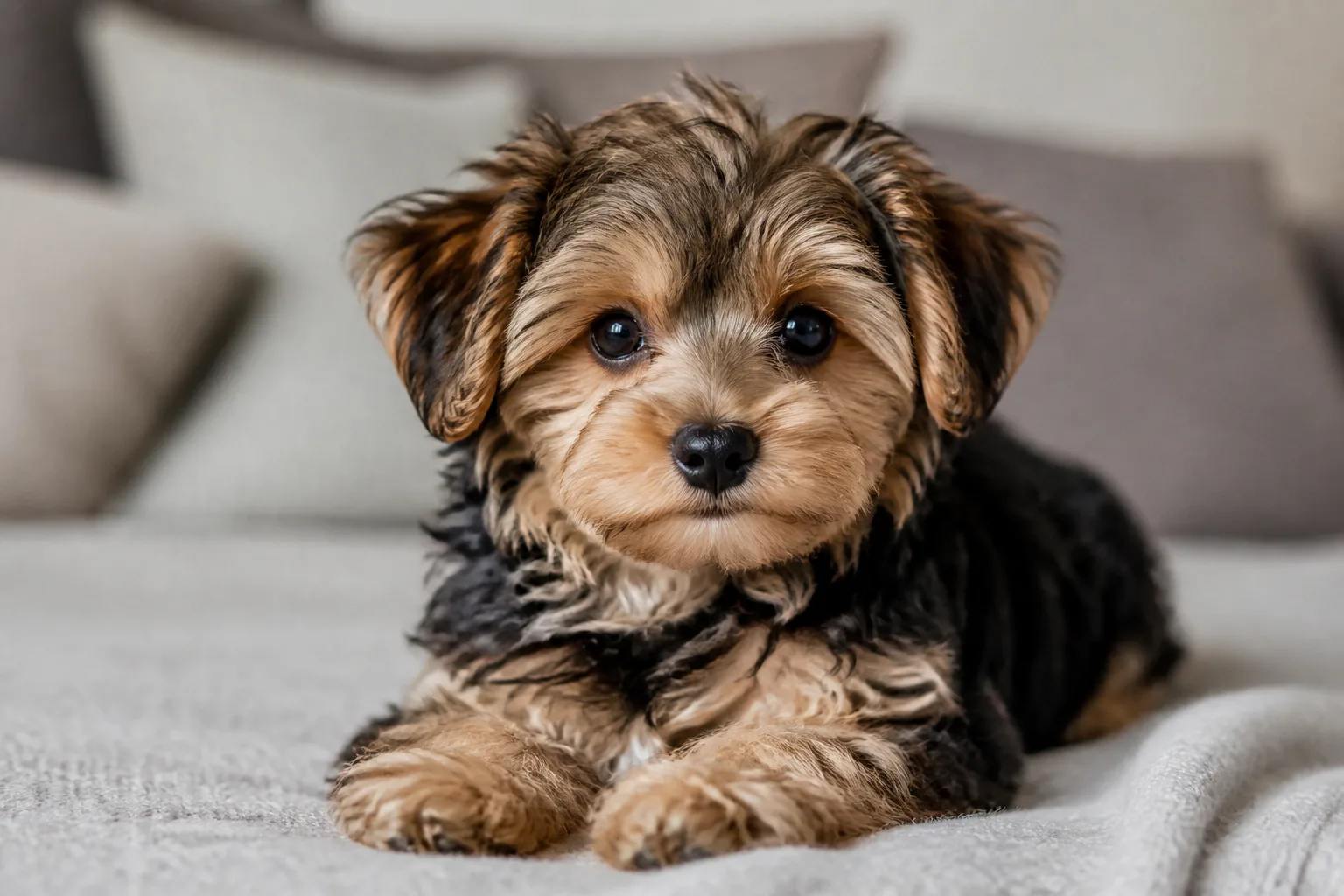
A Yorkipoo can live comfortably in a small home, but its small size does not make it low-maintenance. This Yorkshire Terrier and Toy or Miniature Poodle cross is intelligent, attached to its family, energetic and often vocal. The right match depends on how much time you can give to companionship, training, grooming and daily mental stimulation.
Yorkipoo Dog Breed Snapshot
| Attribute | Details |
|---|---|
| Breed type | Designer hybrid dog |
| Parent breeds | Yorkshire Terrier and Toy or Miniature Poodle |
| Alternative names | Yorkie Poo, Yoodle, Yorkiedoodle |
| Origin | United States |
| Size | Toy or Mini |
| Weight | 3–24 pounds |
| Height | 7–15 inches |
| Coat | Straight, silky, wavy, or curly |
| Coat colors | Black, white, red, sable, apricot, cream, silver, brown, caramel, chocolate, black and tan |
| Shedding | Usually low-shedding |
| Temperament | Affectionate, loyal, playful, intelligent, energetic, alert, protective, sometimes sassy |
| Barking | Often high |
| Daily exercise | 20–45 minutes; up to 60 minutes for active dogs |
| Grooming | Brushing 2–4 times weekly; trimming every 6–8 weeks |
| Health concerns | Patellar luxation, hypoglycemia, dental disease, allergies, epilepsy, hypothyroidism, Legg-Calve-Perthes disease, portosystemic shunt |
| Lifespan | 10–15 years |
| Ownership suitability | Apartments, condos, attentive households |
What Is a Yorkipoo Dog?
A Yorkipoo is a deliberate cross between a Yorkshire Terrier and a Toy or Miniature Poodle. It is a hybrid rather than a consistently standardized purebred, so adult size, coat, facial features and behavior can vary considerably between litters and individual dogs.
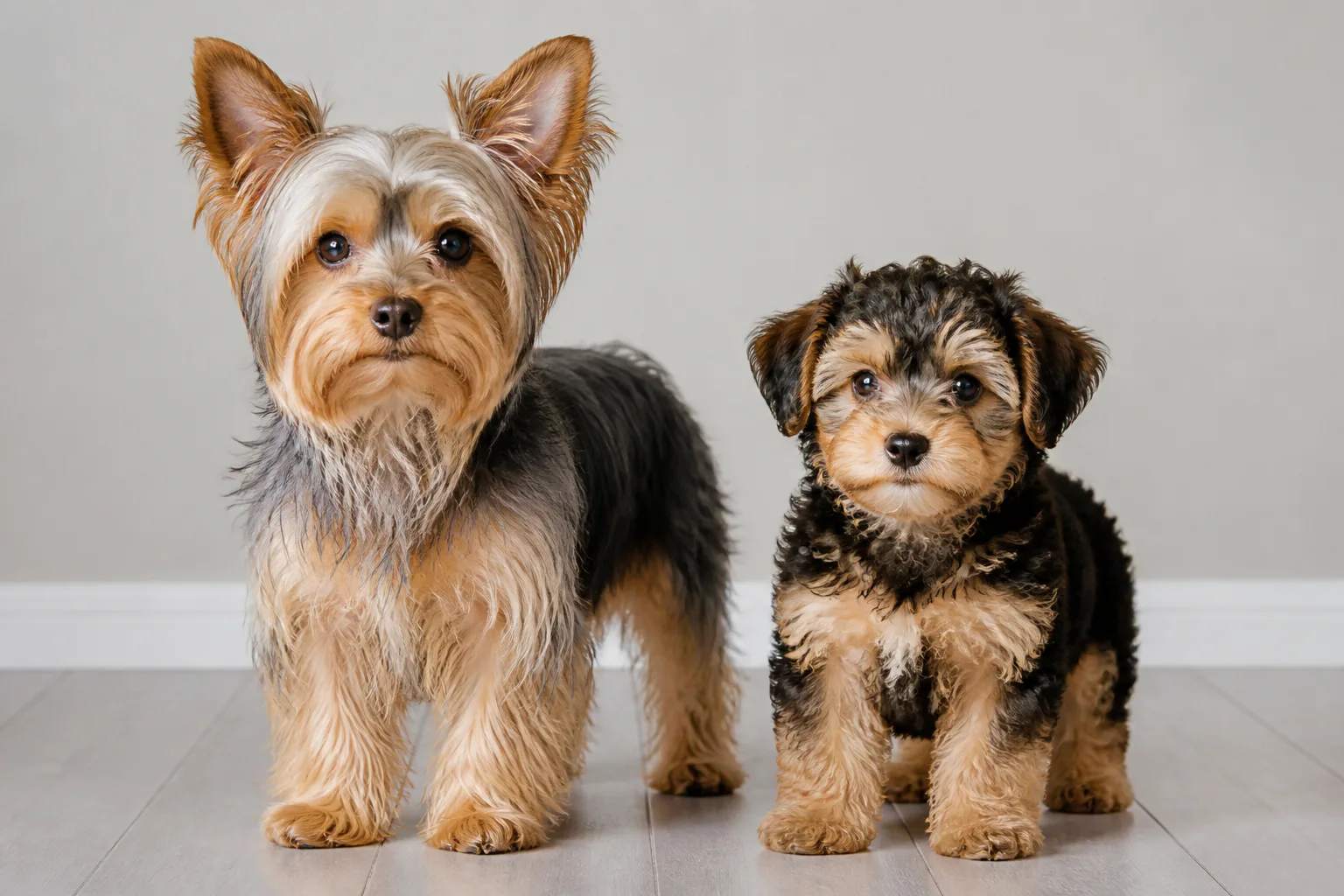
The Poodle parent has a major influence on whether a puppy matures into a Toy or Mini Yorkipoo. A Toy Poodle parent generally produces a smaller dog, while a Miniature Poodle parent can produce a taller, heavier companion. The broad adult range is 3 to 24 pounds and 7 to 15 inches, so the sizes of both parents matter when estimating a puppy’s future needs.
Yorkipoos were bred as companion dogs and usually form close bonds with their families. They need a home that can make training, social contact and preventive care part of the daily routine.
Yorkipoo puppies from the same litter can differ in size, coat texture and confidence because they inherit traits from two breeds. That mix of Yorkshire Terrier influence and small companion-dog characteristics also appears in Morkie characteristics, making the comparison useful for understanding the personality and grooming variations a Yorkipoo may have.
What Does a Yorkipoo Look Like?
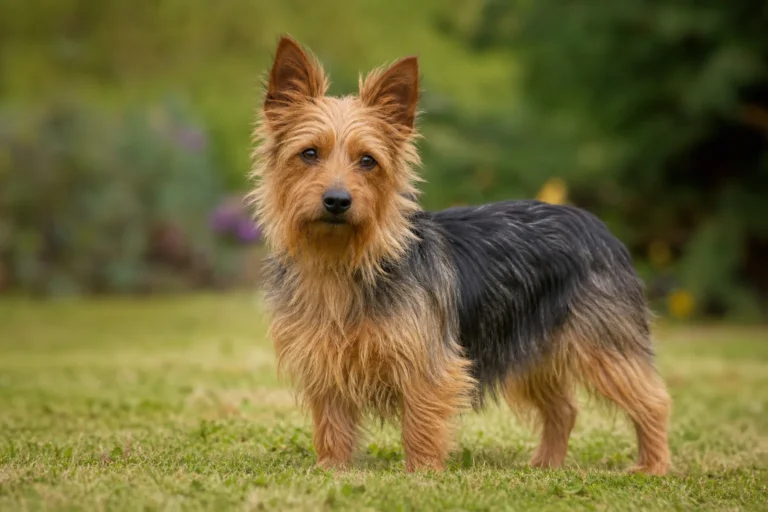
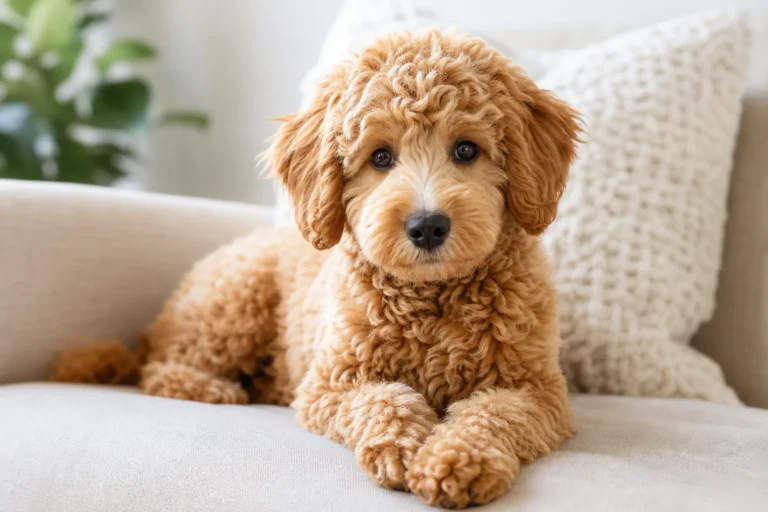
Yorkipoos have a small, compact build with expressive eyes, a narrow or moderately rounded face, and ears that may be upright, folded or semi-folded. Their appearance is not uniform because the cross combines two breeds with different body proportions, coat growth patterns and facial features.
- Coat texture: Straight and silky, loosely wavy, or curly and thick.
- Color: Black, white, red, sable, apricot, cream, silver, brown, caramel, chocolate, or black and tan.
- Body size: Toy and Mini dogs can differ substantially in height and weight.
- Adult predictability: A puppy’s coat, furnishings and size do not guarantee its final adult appearance.
A curly coat may resemble a Poodle’s, while a silky coat may look closer to a Yorkshire Terrier’s. Some Yorkipoos develop a soft, fluffy teddy-bear outline, but that appearance depends on inherited traits and grooming rather than a fixed breed standard.
Yorkipoo Temperament and Behavior
Yorkipoos are affectionate, lively, intelligent and focused on people. They often enjoy cuddling as much as play and may become especially attached to one or two household members. Their small size does not remove their terrier confidence; many investigate unfamiliar sounds, challenge larger dogs and act more imposing than their bodies suggest.
Alert barking is an important behavior consideration. Yorkipoos often announce visitors, hallway noise, vehicles and changes around the home. Reward-based training can teach a quiet cue and reduce unnecessary barking, but a naturally watchful dog may never become silent.
Long periods alone can lead to separation-related distress, nuisance barking or destructive behavior. A predictable routine, gradual alone-time practice, food puzzles and a midday break can help households with full workdays. Gentle handling also matters because a Yorkipoo may be bold and playful while remaining physically delicate.
Yorkipoos often form close bonds with their families and may become vocal, clingy or anxious if they do not get enough attention and companionship. Shih-Poo behavior has similar companion-dog traits, so gentle boundaries, predictable routines and gradual independence can help both.
Training and Socializing a Yorkipoo
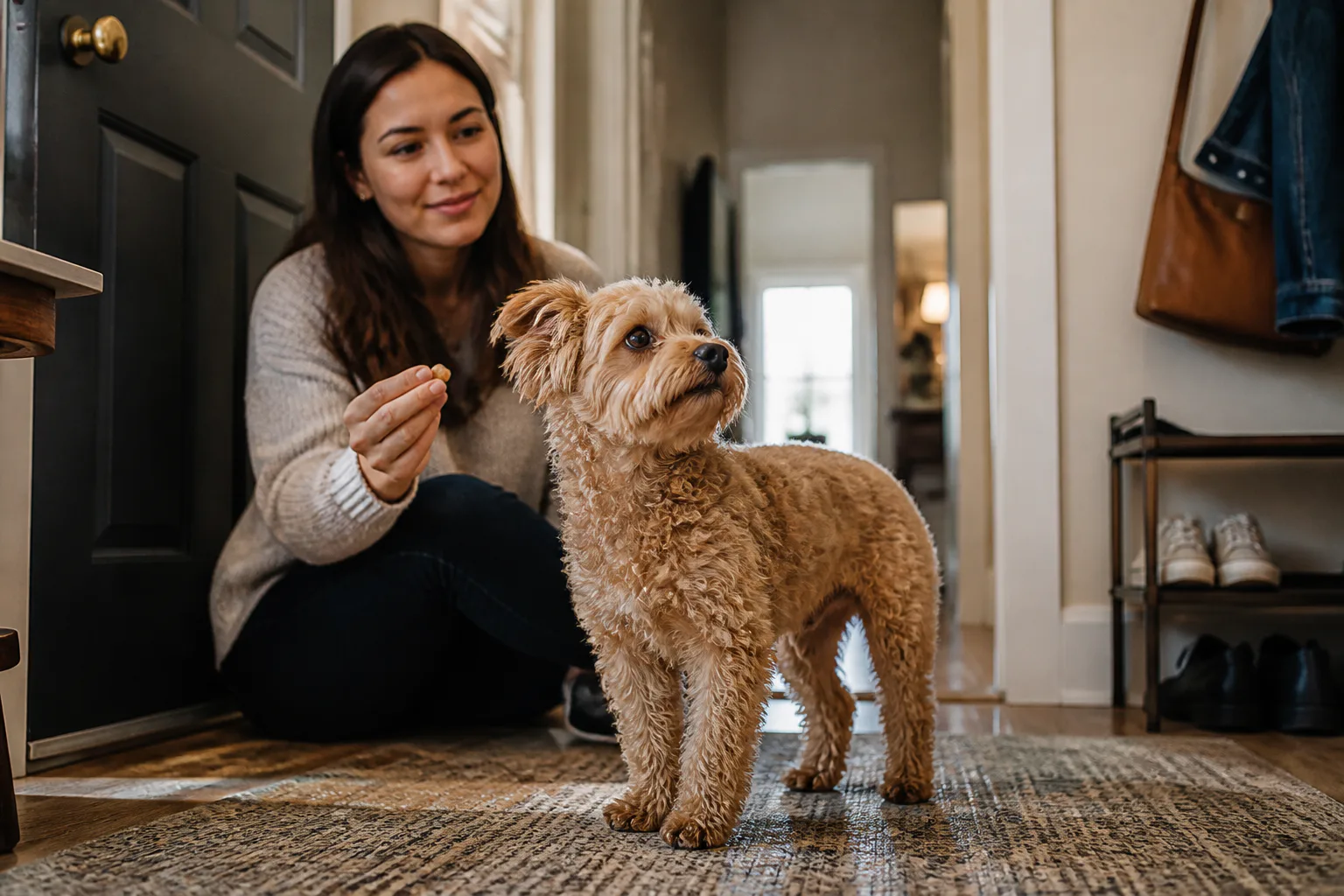
Yorkipoos learn quickly, but their intelligence can also show up as stubbornness or attention-seeking when lessons become repetitive. Use rewards, toys, praise and short sessions. Young puppies often respond best to lessons lasting about 5 to 10 minutes, repeated several times instead of one long drill.
- Start name recognition, handling and reward-based attention during the first days at home.
- Use a consistent toilet schedule after waking, eating, playing and sleeping.
- Introduce a harness and leash indoors before expecting calm outdoor walks.
- Teach sit, stay, recall, drop it and a quiet cue with high-value rewards.
- Gradually expose the puppy to people, children, friendly animals, surfaces, vehicles, grooming and ordinary household sounds.
- Reward calm behavior at doors and windows before barking becomes a habit.
House-training may take patience because very small dogs have small bladders and may struggle in cold or wet weather. Do not punish accidents. A crate or pen can help with supervision, but it should remain a safe resting area rather than a place for prolonged confinement.
Yorkipoos usually respond best to short, upbeat training sessions. Harsh corrections can make them hesitant or defensive, leading to barking instead of reliable obedience. Patience, food rewards and early exposure are also central to Cavapoo training tips, especially when teaching polite greetings and calm behavior around unfamiliar people.
Yorkipoo Exercise and Enrichment
Most Yorkipoos need about 20 to 45 minutes of daily activity, while active individuals may benefit from as much as an hour of combined walking and play. Match exercise to the dog’s age, size, fitness and veterinary guidance. Puppies need several gentle activity periods, not forced distance or repeated jumping.
- Take short walks that include time to sniff and observe.
- Play fetch, tug, hide-and-seek or controlled chase indoors.
- Practice tricks and obedience for mental stimulation.
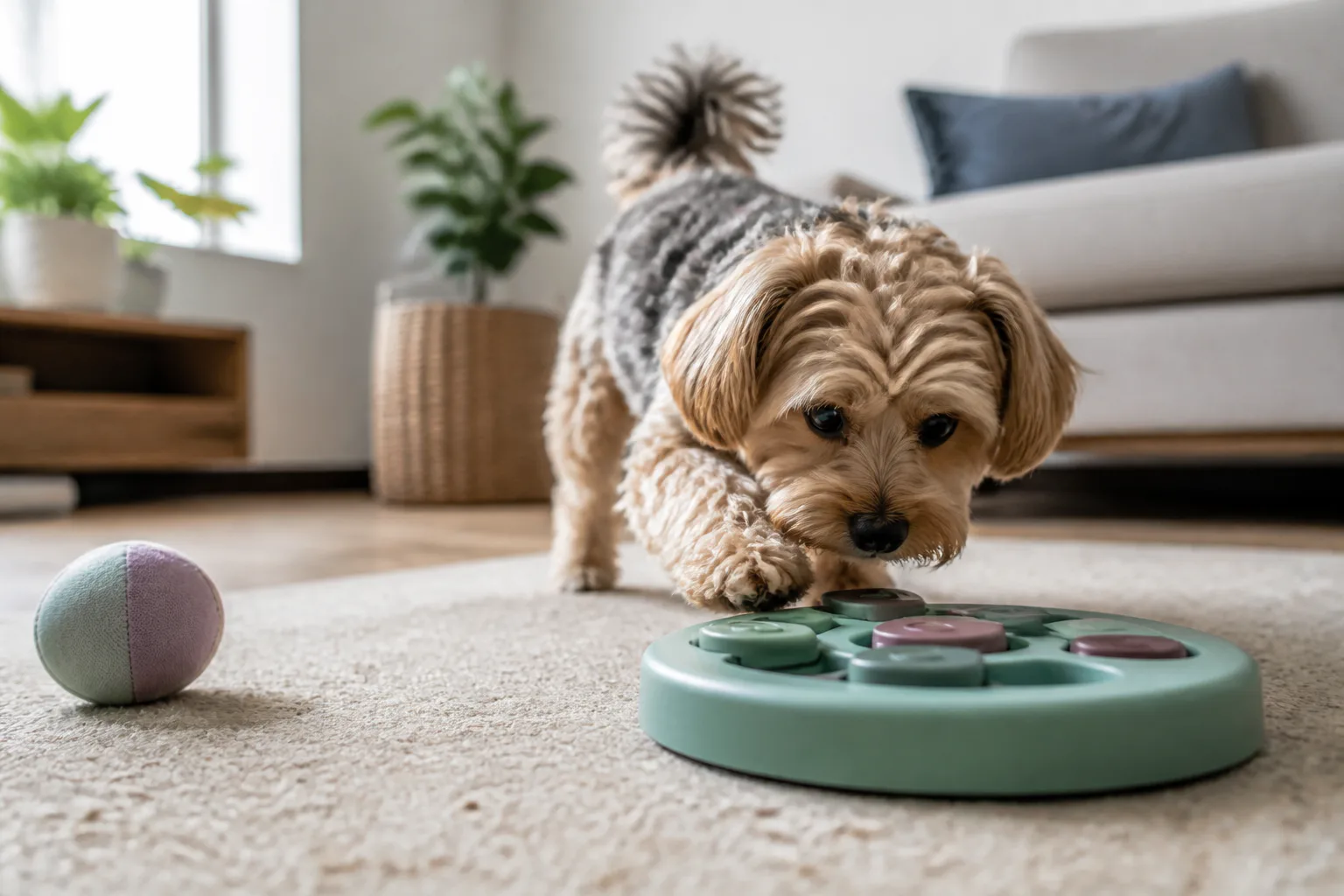
- Use puzzle toys and supervised food-dispensing toys.
- Rotate toys to limit boredom.
Small homes can suit Yorkipoos because they can release some energy indoors, but indoor space does not replace interaction. Secure stairs, balconies and furniture access because a jump or fall can injure a small dog. Supervise play around larger dogs that could accidentally knock the Yorkipoo down.
Yorkipoo Grooming and Allergy Care
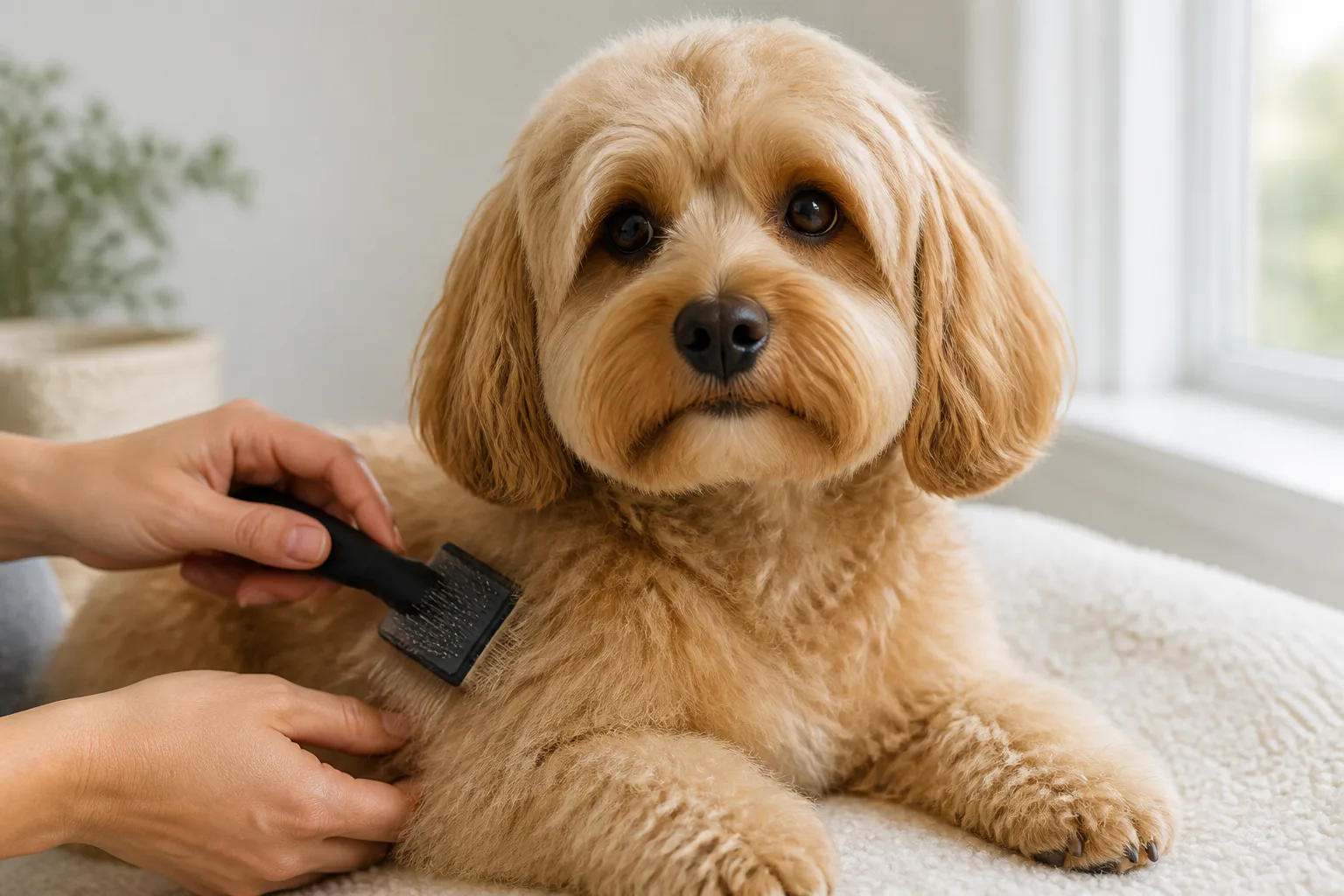
A Yorkipoo’s coat mats easily, especially when it is long, wavy or curly. Brush two to four times each week, increasing to daily brushing for a longer or denser coat. A slicker brush can remove loose undercoat hair, smooth tangles and clear debris, but brush gently down to the skin without scraping it.
- Schedule professional trimming every 6 to 8 weeks.
- Bathe about once a month unless the dog becomes dirty or a veterinarian recommends a different schedule.
- Check and clean the ears as directed, especially when hair and moisture collect inside them.
- Brush the teeth regularly with canine dental products.
- Trim the nails before they become long enough to affect the dog’s gait.
- Check the armpits, area behind the ears, legs and collar area for hidden mats.
Low-shedding does not mean hypoallergenic. No dog is completely hypoallergenic, and reactions can come from dander, saliva or urine as well as hair. People with allergies should spend meaningful time with the specific dog before adoption and keep sleeping areas, upholstery and grooming equipment clean.
A Yorkipoo’s low-shedding coat can still mat quickly, particularly around the ears, legs and collar, so regular brushing and professional trims are important. Other small Poodle mixes have similar Maltipoo grooming needs, including the need for coat and ear care; low shedding also does not guarantee an allergy-friendly pet.
Yorkipoo Health and Feeding Needs
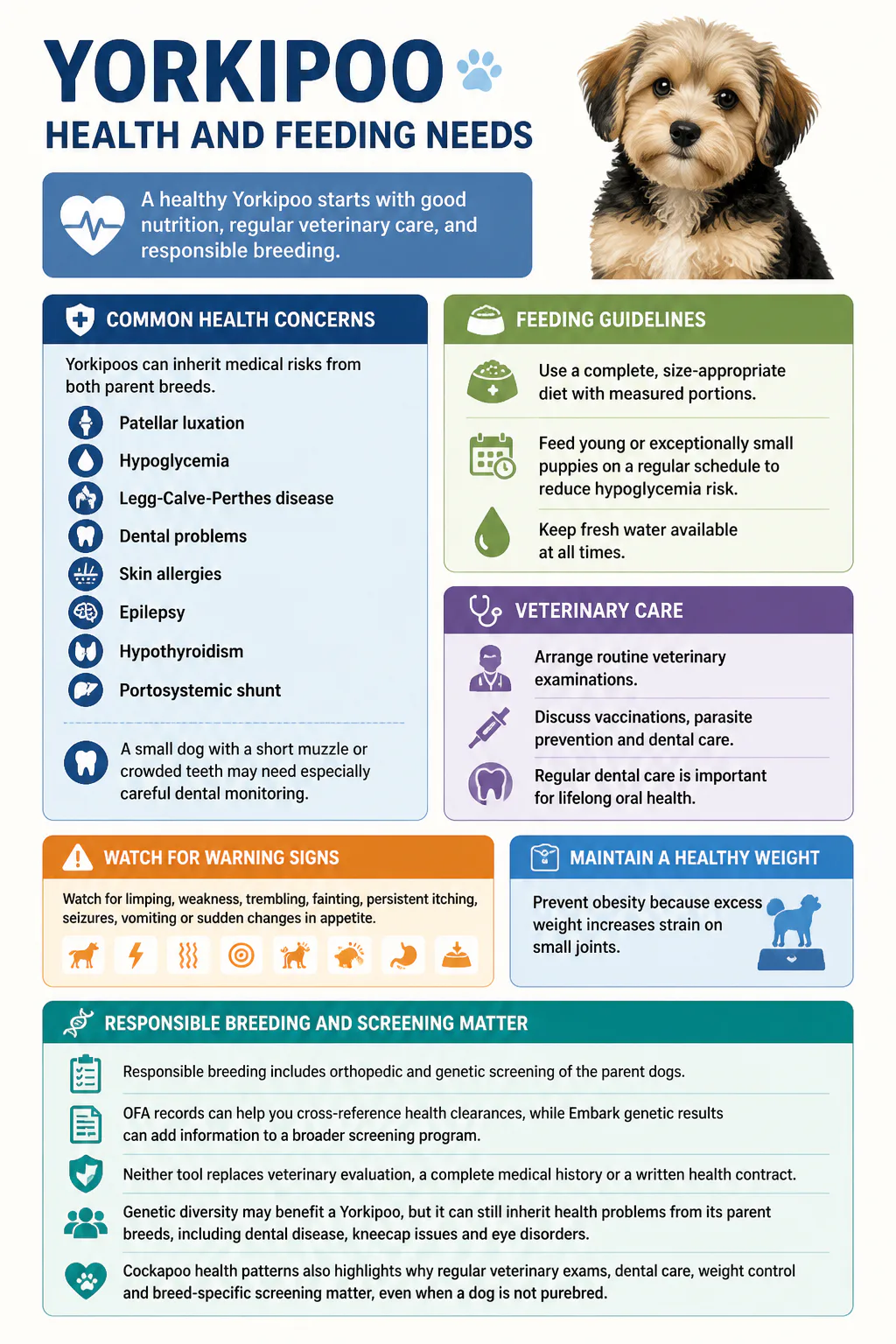
Yorkipoos can inherit medical risks from both parent breeds. Common concerns include patellar luxation, hypoglycemia, Legg-Calve-Perthes disease, dental problems, skin allergies, epilepsy, hypothyroidism and portosystemic shunt. A small dog with a short muzzle or crowded teeth may need especially careful dental monitoring.
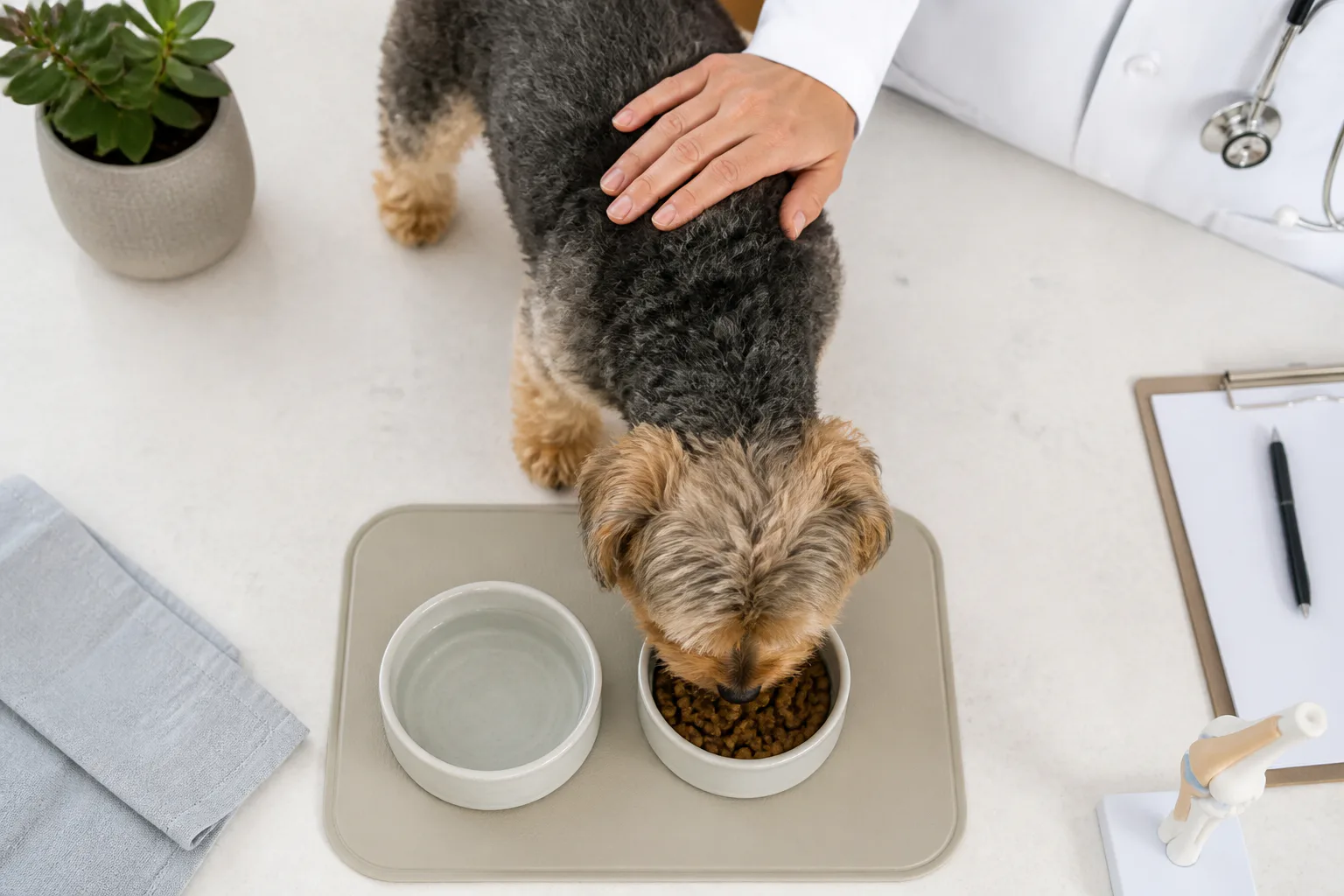
- Use a complete, size-appropriate diet with measured portions.
- Feed young or exceptionally small puppies on a regular schedule to reduce hypoglycemia risk.
- Keep fresh water available at all times.
- Arrange routine veterinary examinations and discuss vaccinations, parasite prevention and dental care.
- Watch for limping, weakness, trembling, fainting, persistent itching, seizures, vomiting or sudden changes in appetite.
- Prevent obesity because excess weight increases strain on small joints.
Responsible breeding includes orthopedic and genetic screening of the parent dogs. OFA records can help you cross-reference health clearances, while Embark genetic results can add information to a broader screening program. Neither tool replaces veterinary evaluation, a complete medical history or a written health contract.
Genetic diversity may benefit a Yorkipoo, but it can still inherit health problems from its parent breeds, including dental disease, kneecap issues and eye disorders. Cockapoo health patterns also highlights why regular veterinary exams, dental care, weight control and breed-specific screening matter, even when a dog is not purebred.
How to Find a Yorkipoo Responsibly
| Route | Cost | Best fit | Main safeguard |
|---|---|---|---|
| Rescue adoption | $250–$600 | Adult dogs and available mixes | Medical and behavior disclosure |
| Ethical breeder | $1,000–$3,500+ | Planned puppy placement | Parent testing and contract |
| Screened breeder directory | $1,800–$3,000+ | Breeder search | Independent verification |
| Online marketplace | $500–$2,500+ | Broad listing access | Buyer-led investigation |
For adoption, Petfinder searches national shelter listings, Adopt a Pet lists available Yorkie Poos and small-dog rescues, and United Yorkie Rescue focuses on Yorkshire Terrier and Yorkie-mix placements. Adopted dogs may be adults, young dogs or mixes whose appearance and history are less predictable than those of a planned litter.
For breeder searches, Good Dog is a screened breeder directory, while Puppies.com is an online puppy marketplace that requires independent verification. A marketplace listing does not prove responsible breeding. Do not send money based only on photographs, urgent messages, unusually low prices or promises of shipping without a live video call and verifiable records.
Before committing to a puppy, request veterinary records, vaccination history, deworming dates, parent health testing and a written contract. A health guarantee commonly lasts one to two years. In-person pickup is preferable because it lets you inspect the living conditions and meet the mother. Interstate or airline travel commonly requires current rabies records and a veterinarian-issued health certificate.
Is a Yorkipoo Right for You?
A Yorkipoo suits people who want a close companion and can provide regular contact, training, grooming and indoor activity. Apartment and condominium living can work when barking is managed and the dog receives daily walks and enrichment.
- Good fit: A household with time for companionship, positive training, coat maintenance and supervised play.
- Children: Appropriate with respectful children who understand gentle handling and the dog’s physical fragility.
- Other pets: Possible with gradual introductions and supervision, particularly around larger or highly active dogs.
- Work schedule: Best with a midday visit, flexible schedule or carefully built alone-time routine.
- Barking tolerance: Important because watchdog behavior can be frequent in apartments and busy neighborhoods.
- Handling ability: Necessary for safe lifting, grooming, dental care and preventing jumping injuries.
A Yorkipoo is a poor match for a household seeking a quiet, independent dog that needs little grooming. The breed can be a rewarding companion, but its manageable exercise needs come with social dependence, frequent vocalization and regular coat care.
Yorkipoo Dog FAQs
Are Yorkipoos considered purebred dogs?
No. A Yorkipoo is a designer hybrid produced from a Yorkshire Terrier and a Toy or Miniature Poodle. Puppies from the same litter can differ in size, coat, color and temperament.
What travel documents does a Yorkipoo need?
For interstate or airline travel, a Yorkipoo commonly needs current rabies documentation and a veterinarian-issued health certificate. Airline and destination requirements differ, so the applicable rules depend on the specific route.
How much daily companionship does a Yorkipoo need?
Yorkipoos generally need frequent human interaction throughout the day. A dog left alone for long periods without gradual training, enrichment or a break can develop barking, anxiety or destructive habits.
Conclusion
A Yorkipoo suits an attentive household that wants a small, clever, affectionate companion and can handle regular grooming and training. Before choosing one, match the dog’s likely adult size and energy to your home, then prioritize transparent health records and a responsible placement process.