Cavapoo Dog Guide: Care, Health, Size and Temperament
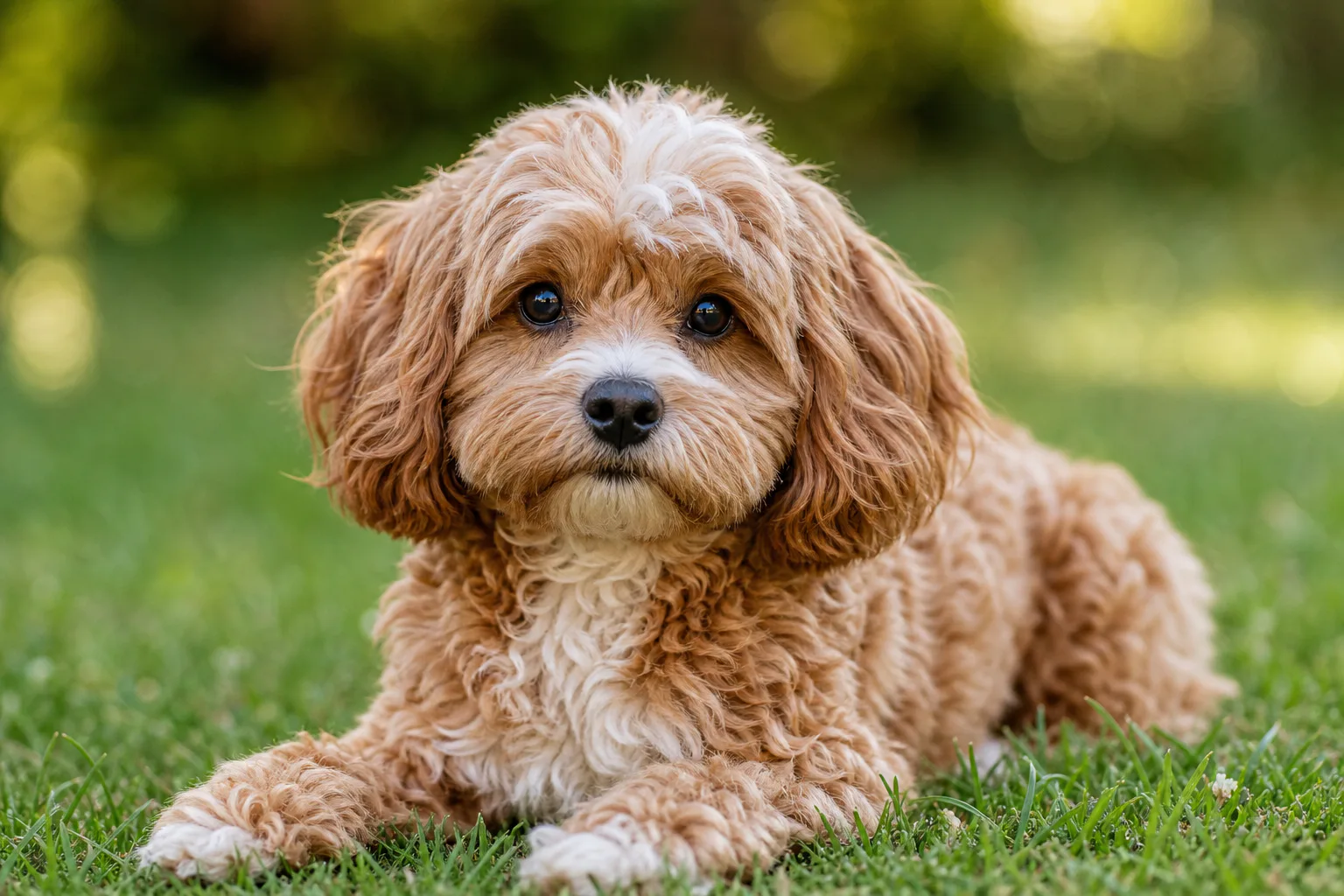
A Cavapoo is a companion cross between a Cavalier King Charles Spaniel and a Toy or Miniature Poodle. These dogs are affectionate, intelligent and adaptable, but they also need regular grooming, daily companionship and careful attention to inherited health risks. Before choosing a puppy or adult dog, consider your schedule, budget, tolerance for grooming and ability to provide lifelong care.
Cavapoo Dog at a Glance
| Characteristic | Typical range or description |
|---|---|
| Parent breeds | Cavalier King Charles Spaniel and Toy or Miniature Poodle |
| Other names | Cavoodle, Cavadoodle |
| Adult weight | 8–25 pounds |
| Adult height | 9–14 inches |
| Lifespan | Approximately 12–15 years |
| Coat | Silky, wavy or tightly curled |
| Temperament | Affectionate, playful, social, intelligent and eager to please |
| Daily activity | About 30–45 minutes, plus enrichment |
| Grooming | Brushing several times weekly; professional grooming every 6–8 weeks |
| Breed recognition | Not recognized as a standardized breed by the AKC |
What Is a Cavapoo?
The Cavapoo became associated with Australia during the designer-dog trend of the late 20th century, although similar Poodle and Cavalier crosses have been bred in other countries.
Because the Cavapoo is a crossbreed, the American Kennel Club and other major kennel clubs do not recognize a fixed breed standard for it. Size, coat, shedding, appearance and behavior can vary considerably, even among puppies from the same litter.
Generation labels describe a Cavapoo’s parentage. An F1 Cavapoo has one Poodle parent and one Cavalier parent. An F1b comes from a Cavapoo and a Poodle, while an F2 comes from two Cavapoos. These labels do not guarantee coat type, allergy suitability, health or adult size.
Size, Appearance and Coat Colors
A full-grown Cavapoo usually weighs 8–25 pounds and stands about 9–14 inches tall. Toy Poodle ancestry can produce a dog weighing around 7–13 pounds, while Miniature Poodle ancestry more often produces a 13–25-pound adult. Puppy size estimates are not exact, so ask about the parents’ sizes and the weights of previous offspring.
- Body: Small, compact and moderately built.
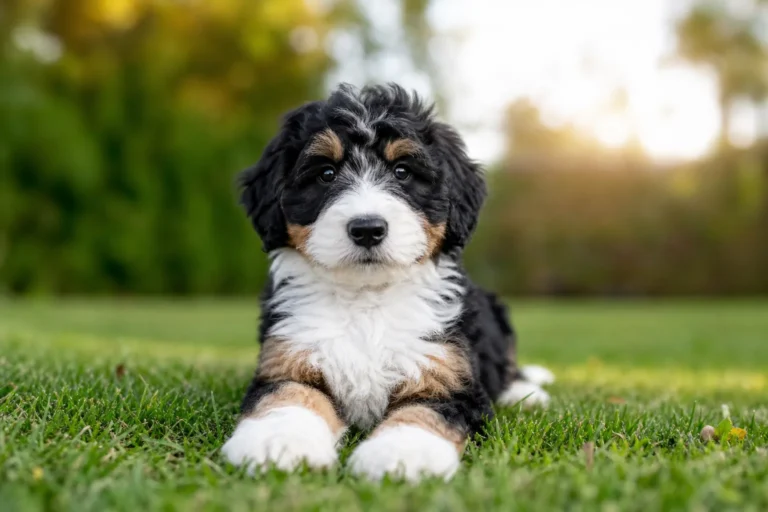
- Face: Large dark eyes, a short muzzle and a friendly expression.
- Ears: Floppy, feathered ears that need regular inspection.
- Coat: Silky, loose-wavy or tightly curled, depending on inherited traits.
- Colors: Red, apricot, cream, black, white, chocolate or brown, blue, tan and tricolor.
A curlier coat may shed less, but coat texture does not make a Cavapoo hypoallergenic. All dogs produce allergens through dander, saliva and skin oils. Anyone with allergies should spend time with adult Cavapoos before bringing one home.
Temperament for Families
Cavapoos are usually affectionate, playful, gentle, intelligent and eager to please. Their Cavalier heritage often contributes sociability and attachment, while Poodle ancestry can contribute quick learning and an interest in games and training.
| Household factor | What to expect |
|---|---|
| Children | Often suitable with respectful supervision and calm handling |
| Cats and pets | Often compatible after gradual introductions and socialization |
| Strangers | Usually friendly, although individual confidence varies |
| Training | Generally responsive to reward-based methods |
| Apartment living | Suitable with daily walks, play, training and companionship |
| Alone time | Potentially difficult because of strong attachment to people |
| Barking | Can bark from excitement, alertness, boredom or distress |
Separation anxiety is a common challenge. A Cavapoo that follows family members constantly may struggle when left alone. Begin with short, calm absences from puppyhood, and use food puzzles, a safe resting area and a predictable routine. Severe distress, destructive behavior or nonstop vocalizing requires help from a veterinarian or qualified behavior professional.
Children should never carry, squeeze, corner or disturb a Cavapoo while it eats or sleeps. Adults should supervise interactions, particularly with Toy-sized dogs, which can be injured by rough play or accidental falls.
Daily Cavapoo Care
Grooming
Brush a Cavapoo several times per week, working gently through the coat down to the skin. Check the ears, armpits, legs, collar area and tail carefully because mats form quickly in these places. A professional groomer every 6–8 weeks can maintain the coat and trim safely around the eyes, feet and sanitary areas.
Inspect the floppy ears regularly for redness, odor, moisture or discharge. Clean them only with a veterinarian-approved product, and arrange an examination if signs of infection appear. Trim the nails as needed and brush the teeth frequently with dog-safe toothpaste to reduce dental disease.
Exercise and Enrichment
Most Cavapoos need about 30–45 minutes of daily activity. Combine relaxed walks with indoor play, short training sessions, scent games and food puzzles. Mental work can tire this intelligent mix more effectively than repetitive physical exercise.
- Use several short walks instead of one exhausting outing.
- Practice recall, leash manners, settling and polite greetings.
- Rotate puzzle toys to prevent boredom.
- Protect the dog from overheating in hot weather and prolonged cold in winter.
- Use a secure harness or collar with identification and a current microchip record.
Training and Socialization
Start reward-based training when the puppy arrives. House-training, crate comfort, handling tolerance, bite inhibition and calm separation practice should come early. Introduce people, stable dogs, household sounds, grooming tools, car travel and veterinary handling gradually and positively.
Feed a complete diet formulated for the dog’s life stage, adjusting portions for size, age, activity and body condition. A veterinarian can help select food and monitor growth, especially for Toy-sized puppies that need careful meal scheduling.
Health Problems and Lifespan
Cavapoos commonly live about 12–15 years, but crossbreeding does not eliminate inherited disease. Preventive examinations, vaccinations, parasite control, dental care, weight management and prompt attention to changes in movement, breathing, appetite, vision or behavior all matter.
- Mitral valve disease: An inherited heart condition associated with both Cavalier King Charles Spaniels and Poodles.
- Patellar luxation: Slipping kneecaps that can cause intermittent skipping or lameness.
- Hip dysplasia: Abnormal hip development that may lead to pain and arthritis.
- Eye disease: Progressive retinal atrophy, cataracts, entropion, corneal dystrophy, dry eye, glaucoma and ingrown eyelashes.
- Syringomyelia: A painful neurological condition linked to abnormal skull and spinal-fluid anatomy.
- Ear infections: More likely when floppy ears, moisture, hair and allergies occur together.
- Dental disease: Common in small dogs, especially when crowded teeth are not cleaned.
- Allergies: Skin irritation, itching, recurring ear problems or gastrointestinal signs.
Coughing, reduced stamina, fainting, persistent scratching, head shaking, eye changes, painful movement, repeated vomiting or a sudden change in appetite all warrant veterinary attention.
Ask breeders for documented health clearances for both parents, including relevant heart, eye, patella and hip evaluations. “Hybrid vigor” is not a substitute for testing, transparent records or proper veterinary care.
Cavapoo Ownership Costs
| Expense | Common amount | What affects it |
|---|---|---|
| Breeder puppy | $1,500–$3,500; reputable U.S. estimates can reach $2,000–$4,500 or more | Location, parent testing, lineage, size, coat and breeder practices |
| Adoption fee | $200–$700 | Rescue policy, age, medical care and region |
| Professional grooming | $40–$120 or more per visit | Coat condition, size, location and requested services |
| Ongoing annual care | About $950 in one ownership estimate | Food, routine veterinary care, supplies, grooming, insurance and local prices |
| Lifetime ownership | $20,000–$50,000, before or alongside purchase costs | Lifespan, medical needs, grooming, insurance, boarding and emergencies |
Also budget for an initial veterinary examination, vaccines, parasite prevention, a crate, bed, harness, grooming tools, training and eventual spay or neuter when medically appropriate. Emergency treatment, dental procedures, boarding, travel and chronic medication can increase the total substantially.
Buying or Adopting Responsibly
- Define your requirements. Decide whether an adult or puppy fits your schedule, what adult size you can manage and how much time you can provide each day.
- Search reputable routes. Petfinder lists Cavapoos and Poodle or Spaniel mixes available for adoption. Good Dog helps locate screened Cavapoo breeders and review health-testing information. Crockett Doodles provides Cavapoo puppy information, applications and breeder-network details. Doodle Rock Rescue, based in Texas, frequently places Poodle mixes, including Cavapoos. Cavalier Rescue USA is a nationwide foster-based rescue that may place Cavalier mixes and related dogs.
- Check health records. Request health clearances for the parent dogs, vaccination and deworming records, identification details and the puppy’s veterinary history.
- Evaluate the environment. A responsible breeder explains the puppies’ socialization, shows where they are raised, permits an in-person or live video visit and answers questions about the parents.
- Read the contract. Look for return-to-breeder terms, a written health guarantee, registration or identification details and clear responsibilities for both parties.
- Protect the payment. Match the seller’s legal name and contact details across the contract, payment record and health documents. Pay only after a live video or in-person visit, a review of the puppy’s records and a written contract covering deposits, refunds, health coverage and return terms. Refusal of video calls, blocked access to the puppy-raising environment and multiple mixed litters advertised year-round are serious red flags.
- Confirm the puppy’s age. Puppies should remain with their mother until at least 8 weeks old. Arrange a safe pickup plan and collect all records, food instructions, medications and microchip information.
If you are searching for a Cavapoo dog for adoption near you, check breed-specific rescues and general adoption listings. Many dogs are listed as Poodle mixes, Cavalier mixes or mixed breeds. Ask about temperament, medical history, house-training, behavior around children and cats and the dog’s ability to stay alone.
Is a Cavapoo Right for You?
| Potential advantages | Potential challenges |
|---|---|
| Affectionate and people-oriented | Can develop separation anxiety |
| Usually responsive to reward-based training | Needs consistent training and socialization |
| Often adaptable to apartments | Still requires daily activity and enrichment |
| Often friendly with children and pets | Small size makes rough handling dangerous |
| Coat may shed less than some dogs | No Cavapoo is completely hypoallergenic |
| Moderate exercise needs | Regular brushing and professional grooming are necessary |
| Long-term companion potential | Inherited heart, eye, joint, ear and dental problems can be costly |
A Cavapoo can suit a family, first-time owner, retiree or apartment household that can provide companionship and routine care. It is a poor fit for a home where the dog will regularly spend long periods alone, grooming costs cannot be covered or children cannot interact gently.
10 Reasons Not to Get a Cavapoo
- You cannot provide daily companionship and gradual alone-time training.
- You do not have time for regular walks, play and mental enrichment.
- You cannot commit to brushing several times each week.
- Professional grooming every 6–8 weeks does not fit your budget or schedule.
- You want a completely hypoallergenic dog.
- You prefer a dog with predictable adult size, coat or temperament.
- You cannot afford preventive veterinary care and possible inherited health problems.
- Young children or larger pets may handle a small dog roughly.
- You are unwilling to train barking, house manners, grooming tolerance and calm separation.
- You want a low-maintenance dog that can regularly spend long periods alone.
Cavapoo FAQs
Do Cavapoos bark a lot?
Cavapoos are not automatically excessive barkers, but they may vocalize when bored, excited, alert or distressed by being alone. Daily enrichment, calm reward-based training and gradual alone-time practice can reduce nuisance barking.
Can a Cavapoo live in a house without a yard?
Yes. A yard is not essential if the Cavapoo receives daily walks, indoor play, training and enrichment. Apartment living works best when the dog also has predictable companionship and regular opportunities to toilet and exercise.
Is a Cavapoo high maintenance?
Yes. Cavapoos need frequent brushing, professional grooming every 6–8 weeks, daily companionship, regular training and preventive health care. Their coats can mat quickly, and some dogs develop separation anxiety when left alone.
What are the downsides of a Cavapoo?
The main downsides are regular grooming, strong dependence on human companionship, possible barking or separation anxiety and inherited heart, eye, joint, ear and dental problems. Their small size also calls for careful handling around children and larger pets.
Is a Cavapoo an expensive dog?
A Cavapoo’s purchase price is only part of ownership costs. Grooming, routine and dental care, insurance, emergency treatment, food, supplies and other ongoing expenses also affect the total.
Where can I find a Cavapoo dog for sale?
Good Dog helps locate screened Cavapoo breeders, while Crockett Doodles provides Cavapoo puppy information and applications. Confirm health clearances, visit the breeding environment in person or by live video and avoid sellers who rush deposits or refuse to show where puppies are raised.
Final Takeaway
- Choose a Cavapoo for its affectionate, trainable companion temperament and be prepared for regular grooming, daily interaction and ongoing health care.
- Plan for regular brushing, grooming every 6–8 weeks, daily interaction and possible veterinary costs.
- Use transparent breeder or rescue routes, verify health records and never accept a puppy younger than 8 weeks.