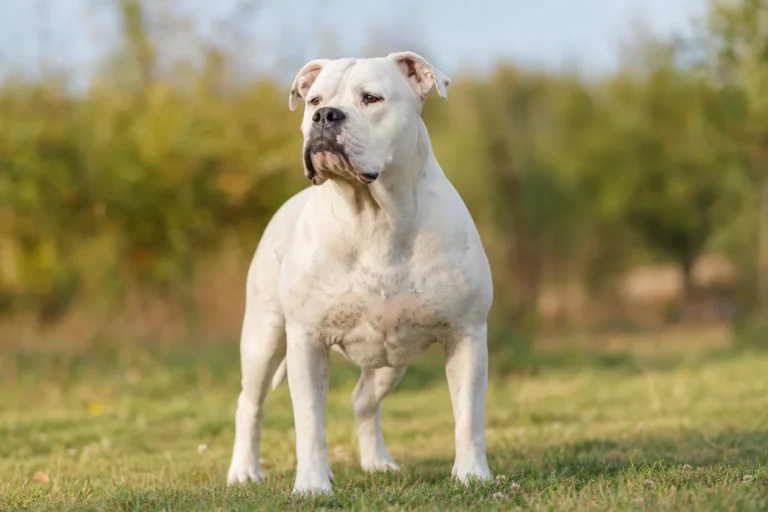
Chiweenie Dog Guide: Traits, Care, Health, Training & Costs

The Chiweenie suits people who want a very small companion with a big personality. This Chihuahua-Dachshund mix can live happily in an apartment, but it still needs daily activity, early training, dental care and plenty of company. Body length, inherited traits, barking and the time you can give the dog matter more than its compact size.
Chiweenie Facts at a Glance
| Attribute | Details |
|---|---|
| Breed type | Chihuahua-Dachshund designer mix |
| Origin | United States, popularized in the late 1990s |
| Parent breeds | Chihuahua and Dachshund |
| Breed recognition | Not recognized by the American Kennel Club |
| Weight | 5–15 pounds |
| Height | 5–11 inches |
| Body shape | Compact or long-backed with short legs |
| Coat | Short to medium; longer-coated variations |
| Coat colors | Black, tan, red, fawn, cream, brown, white, brindle, merle, piebald |
| Temperament | Alert, affectionate, loyal, playful, confident, vocal, opinionated |
| Exercise | Two short walks, indoor play, mental stimulation |
| Grooming | Weekly brushing; more often for long coats |
| Training | Early, gentle, consistent positive reinforcement |
| Common health concerns | IVDD, dental disease, patellar luxation, eye and heart conditions |
| Lifespan | 12–16 years |
| Adoption cost | $150–$400 |
| Breeder price | $500–$1,500 or more |
| Initial setup | $300–$500 |
| Annual routine care | $500–$1,000 |
What Is a Chiweenie?
A Chiweenie is a mixed-breed dog from a Chihuahua and a Dachshund. The Chihuahua, an ancient companion breed from Mexico, contributes compact proportions, a domed head, large alert ears, confidence and vigilance. The Dachshund originated in Germany as a badger-hunting dog and contributes the long back, digging instinct, prey drive and determined personality.
Chiweenies do not have a single official breed standard, so puppies from the same litter can look quite different. The mix became popular in the United States during the late 1990s and is not recognized as an official breed by the American Kennel Club. This does not determine an individual dog’s quality, but size, structure and temperament are less predictable than they are in a standardized breed.
What Does a Chiweenie Look Like?
Chiweenies usually weigh 5–15 pounds and stand 5–11 inches at the shoulder. Their proportions depend heavily on their individual Chihuahua and Dachshund parents. One dog may have a compact Chihuahua-like body, while another may have a noticeably elongated back, short legs and a low profile.
- Head: A domed Chihuahua-like skull or a narrower Dachshund-influenced shape.
- Ears: Perky triangular ears, folded ears or a combination of both.
- Muzzle: A short, snouted or moderately elongated face.
- Eyes: Large, expressive eyes with an alert expression.
- Coat: Short to medium hair, with some longer-coated dogs.
- Colors: Black, tan, red, fawn, cream, brown, white, brindle, merle and piebald.
- Tail: A slim, gently curved tail or a fuller Dachshund-like tail.
Color is not a reliable measure of quality. A long back calls for careful handling, and merle coloring deserves extra scrutiny because breeding two merle-patterned dogs can produce serious inherited problems. A responsible breeder should discuss the parents’ structure, health screening and genetic background rather than promoting a particular color as proof of health.

Chiweenie Temperament and Personality
Chiweenies are often affectionate, loyal, playful, confident and highly alert. Many form a close bond with one person and seek frequent contact with the household. Their small size does not stop them from acting assertively around larger dogs, unfamiliar people or noises outside the home.
Barking is an important consideration. A Chiweenie may bark loudly and persistently at strangers, animals, door sounds or activity beyond a window. Dachshund stubbornness combined with Chihuahua vigilance can produce an opinionated dog that tests boundaries. Long periods alone may also contribute to separation-related distress.
Singles, couples and families with older children are usually the strongest matches. Young children can accidentally injure a small dog with a long back, and some Chiweenies may react defensively to rough handling. Calm introductions, supervised interactions and a private resting space help the dog live more comfortably with children and other pets.
The Chihuahua side can make a Chiweenie alert, confident and quick to bark at unfamiliar sounds. Other Chihuahua mixes may show the same combination of affection at home and caution around strangers. Chorkie temperament offers a useful comparison for how that bold personality can appear in everyday life.
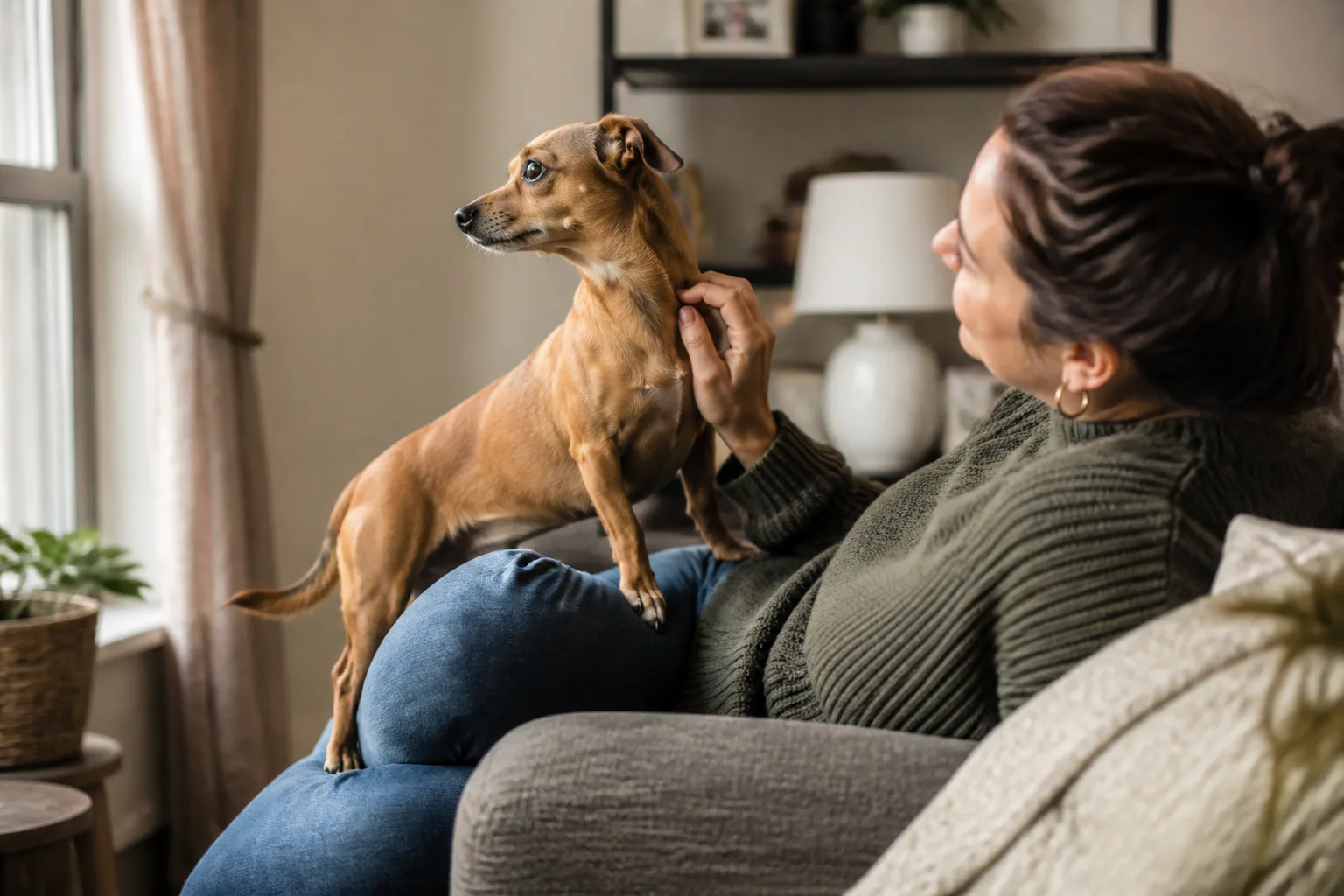
Training and Socializing a Chiweenie
Begin training when the dog arrives. Small treats, praise, toys and short sessions work better than harsh corrections, which can increase fear, defensive barking or resistance. House-training may take patience, particularly in cold weather or with a dog that dislikes going outside.
- Set a consistent toilet schedule after waking, eating, playing and sleeping.
- Reward outdoor elimination immediately and clean indoor accidents with an enzymatic cleaner.
- Teach name recognition, recall, sit, leave it and a calm settle on a mat.
- Introduce leash walking indoors before moving to busy outdoor areas.
- Pair door sounds and visitors with quiet rewards before barking escalates.
- Gradually expose the puppy to people, animals, places, surfaces, grooming and gentle handling.
- Practice short departures and returns to build independence without creating panic.
Do not respond to demand barking with attention, shouting or immediate access to a favorite activity. Identify the trigger, give the dog enough distance to stay calm and reward quiet behavior. Contact a qualified trainer or veterinary behavior professional if fear, aggression or severe separation anxiety develops.
Chiweenies can learn quickly, but repetitive or harsh training may cause them to lose interest. Keep sessions short, use high-value treats and set consistent boundaries to teach basic manners without undermining their confidence. A Yorkipoo training approach shows how reward-based training can work well for an intelligent, energetic small hybrid.
Daily Chiweenie Care Requirements
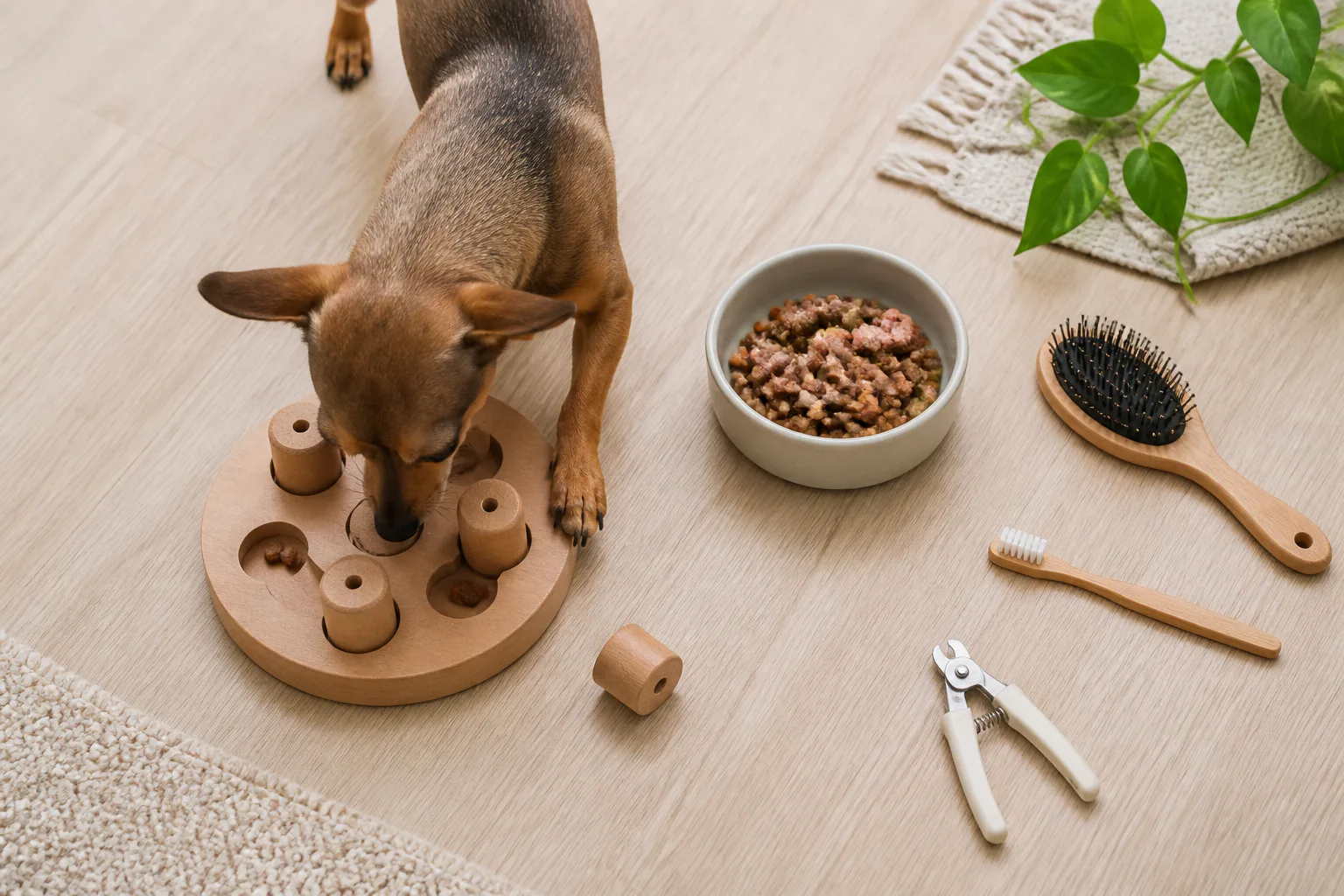
A Chiweenie does not need long-distance running, but it does need activity every day. Two short walks, indoor play and scent or puzzle games can provide a suitable routine. Limit jumping from beds, sofas and stairs, especially if the dog has a long Dachshund-like back.
- Exercise: Use short walks, supervised play, food puzzles and basic obedience games.
- Grooming: Brush a short coat weekly; brush a longer coat several times each week.
- Dental care: Brush the teeth daily with dog-safe toothpaste and arrange veterinary dental checks.
- Nails: Trim them regularly so an altered gait does not add strain to the legs and back.
- Diet: Feed measured portions suited to small dogs and adjust them for activity and body condition.
- Treats: Keep treats at no more than 10% of daily calories.
- Temperature: Use a sweater or coat for a small, short-coated dog in cold weather.
- Home safety: Use pet ramps or steps and lift the dog with its back and chest supported.
Apartment living can suit a Chiweenie when exercise and barking management are part of the daily routine. A secure harness is often preferable to pressure on the neck. Supervise outdoor time because prey drive, confidence and small size can create risks near traffic or larger unfamiliar dogs.
Chiweenie grooming is generally straightforward, although coat length and texture depend on which parent’s traits are more prominent. Dogs with longer or softer coats may need more frequent brushing, regular ear cleaning and occasional professional trimming to prevent mats. Morkie grooming needs show how a longer inherited coat can add extra steps to a small mixed-breed dog’s care routine.
Chiweenie Health Problems to Know
Intervertebral disc disease, or IVDD, is the main structural concern. A longer back can increase the risk of disc herniation, causing pain, numbness, weakness or paralysis. Discourage repeated jumping, maintain a healthy weight, support the spine during lifting and seek veterinary care promptly for back pain, reluctance to move, dragging toes or sudden weakness.
- Dental disease: Small jaws and parent-breed predisposition can lead to plaque, gum disease and tooth loss.
- Patellar luxation: The kneecap can slip out of position, causing skipping, lameness or discomfort.
- Eye conditions: Eye disorders can occur. Redness, cloudiness, squinting or vision changes require veterinary examination.
- Heart problems: Regular examinations can detect murmurs and other cardiac concerns.
- Allergies and skin sensitivities: Itching, recurring ear problems, hair loss or irritated skin need investigation.
Routine veterinary care should include weight monitoring, oral examinations, vaccination planning, parasite prevention and age-appropriate screening. A lean body condition is especially important for a small dog with Dachshund-like proportions. Annual routine care costs approximately $500–$1,000, excluding emergencies and major dental or orthopedic treatment.

Chiweenie Back-Safe Home Setup
A back-safe home reduces the jumping and awkward landings that can strain a Chiweenie’s spine. Set up ramps, barriers and handling routines before problems arise, particularly if the dog has a long body or already shows reluctance around stairs and furniture.
- Place a pet ramp at furniture or vehicle access points to reduce jumping.
- Block stairways and use furniture barriers where the dog might launch from a sofa or bed.
- Teach the dog to wait for assistance instead of jumping from furniture or into a vehicle.
- Lift with one hand supporting the chest and the other supporting the back and hindquarters.
- Contact a veterinarian promptly if the dog shows back pain, reluctance to move, weakness or dragging toes.
A Chiweenie may inherit the Dachshund’s long back, so limiting repeated jumping from furniture and stairs can reduce strain. The same precautions can help other long-backed crosses, too; ramps, nonslip flooring and weight control are useful parts of everyday prevention. The Dorgi care needs also show how to support a Dachshund mix safely at home.

Where to Find a Chiweenie
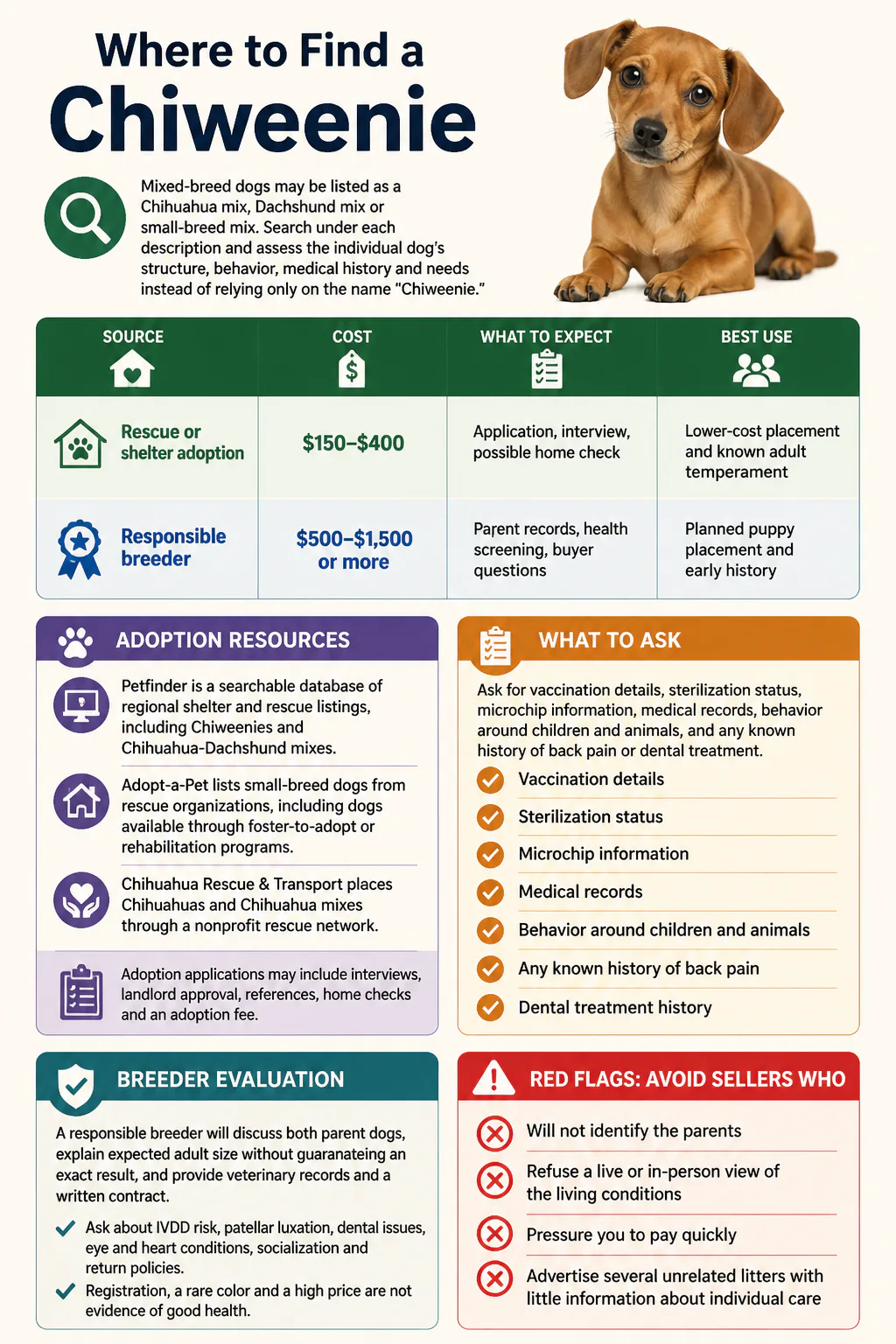
Mixed-breed dogs may be listed as a Chihuahua mix, Dachshund mix or small-breed mix. Search under each description and assess the individual dog’s structure, behavior, medical history and needs instead of relying only on the name “Chiweenie.”
| Source | Cost | What to expect | Best use |
|---|---|---|---|
| Rescue or shelter adoption | $150–$400 | Application, interview, possible home check | Lower-cost placement and known adult temperament |
| Responsible breeder | $500–$1,500 or more | Parent records, health screening, buyer questions | Planned puppy placement and early history |
Adoption resources
Petfinder is a searchable database of regional shelter and rescue listings, including Chiweenies and Chihuahua-Dachshund mixes. Adopt-a-Pet lists small-breed dogs from rescue organizations, including dogs available through foster-to-adopt or rehabilitation programs. Chihuahua Rescue & Transport places Chihuahuas and Chihuahua mixes through a nonprofit rescue network.
Adoption applications may include interviews, landlord approval, references, home checks and an adoption fee. Ask for vaccination details, sterilization status, microchip information, medical records, behavior around children and animals, and any known history of back pain or dental treatment.
Breeder evaluation
A responsible breeder will discuss both parent dogs, explain expected adult size without guaranteeing an exact result, and provide veterinary records and a written contract. Ask about IVDD risk, patellar luxation, dental issues, eye and heart conditions, socialization and return policies.
Registration, a rare color and a high price are not evidence of good health. Avoid sellers who will not identify the parents, refuse a live or in-person view of the living conditions, pressure you to pay quickly or advertise several unrelated litters with little information about individual care.
Is a Chiweenie Right for You?
A Chiweenie can suit a household that wants an interactive small dog and can provide daily attention. Apartment living is usually manageable, but shared-wall housing can be difficult if the dog barks at hallway sounds or spends much of the day alone.
- Choose this mix if you can provide daily walks, play, training and companionship.
- Prepare for a vocal dog and commit to reward-based barking management.
- Supervise interactions with young children because of the dog’s small size and possible long back.
- Introduce the dog gradually if cats or other dogs already live in the home.
- Budget $300–$500 for initial setup and $500–$1,000 for annual routine care.
- Plan for a 12–16-year commitment that may include dental, spinal, orthopedic, skin, eye or heart expenses.
A Chiweenie is less suitable for someone seeking a quiet, independent pet or a dog for rough play and frequent jumping. The better match is a patient owner who enjoys close companionship, follows consistent routines and will care for the dog’s back, teeth, weight and social development throughout its life.
Small size does not make a Chiweenie low-maintenance. It still needs daily walks, play, mental stimulation and plenty of time with people, so families should consider its energy level, tendency to bark and need for close companionship—not just its weight. For comparison, Puggle lifestyle needs may need a different balance of exercise, food management and family interaction.
Popular Chiweenie Names
Choose a name that is easy to say during training and does not sound like everyday cues such as “sit,” “stay” or “no.” Short names suit a tiny dog, while names inspired by the Chiweenie’s lively personality, unusual proportions or parent breeds can add a personal touch. A few days together may make the right choice clearer.
- Buddy
- Pickles
- Pepper
- Winnie
- Dash
- Chico
- Bean
- Scout
Dash nods to the Dachshund side and suits an energetic dog, while Chico can reference the Chihuahua connection. Pickles and Bean work for owners who prefer humorous food-themed names. Buddy and Scout have a more traditional companion-dog feel. Use the chosen name consistently so the dog can learn it quickly.
Conclusion
Choose a Chiweenie for affectionate, spirited companionship rather than its small appearance alone. Before adoption or purchase, consider barking tolerance, daily availability, child safety, back-care habits and veterinary costs. A well-socialized dog from a transparent rescue or responsible breeder can become a lively, devoted companion for 12–16 years.