Azawakh Dog Breed: Traits, Care, Training, and Exercise
Elegant, athletic, and deeply devoted to its family, the Azawakh Dog Breed is a West African sighthound best suited to an experienced, active owner. It combines extreme speed with an independent mind and a natural instinct to watch over its home. This guide explains its appearance, temperament, exercise needs, training, care, cost considerations, and suitability as a pet.
Azawakh at a Glance
| Characteristic | Details |
|---|---|
| Origin | Burkina Faso, Mali, and Niger |
| Type | Sighthound and camp guardian |
| Male height | 64–74 cm, or 25–29 inches |
| Female height | 60–70 cm, or 24–28 inches |
| Male weight | 20–25 kg, or 44–55 pounds |
| Female weight | 15–20 kg, or 33–44 pounds |
| Coat | Short and fine |
| Grooming | Low maintenance |
| Typical activity level | High, with a need for daily running and walks |
History and Purpose
The Azawakh takes its name from the Azawakh Valley in the Niger Basin. It developed among nomadic communities of the Sahara and Sahel, particularly in Burkina Faso, Mali, and Niger.
These dogs served two important roles. As sighthounds, they pursued fast game such as gazelles, often working in groups and taking turns during the chase. They also guarded camps, which shaped the breed’s alertness, loyalty, and reserved attitude toward unfamiliar people.
The breed’s history explains why it does not behave like a companion dog bred solely for sociability. An Azawakh can be affectionate with its household while remaining selective about strangers and protective of familiar territory.
Appearance and Movement
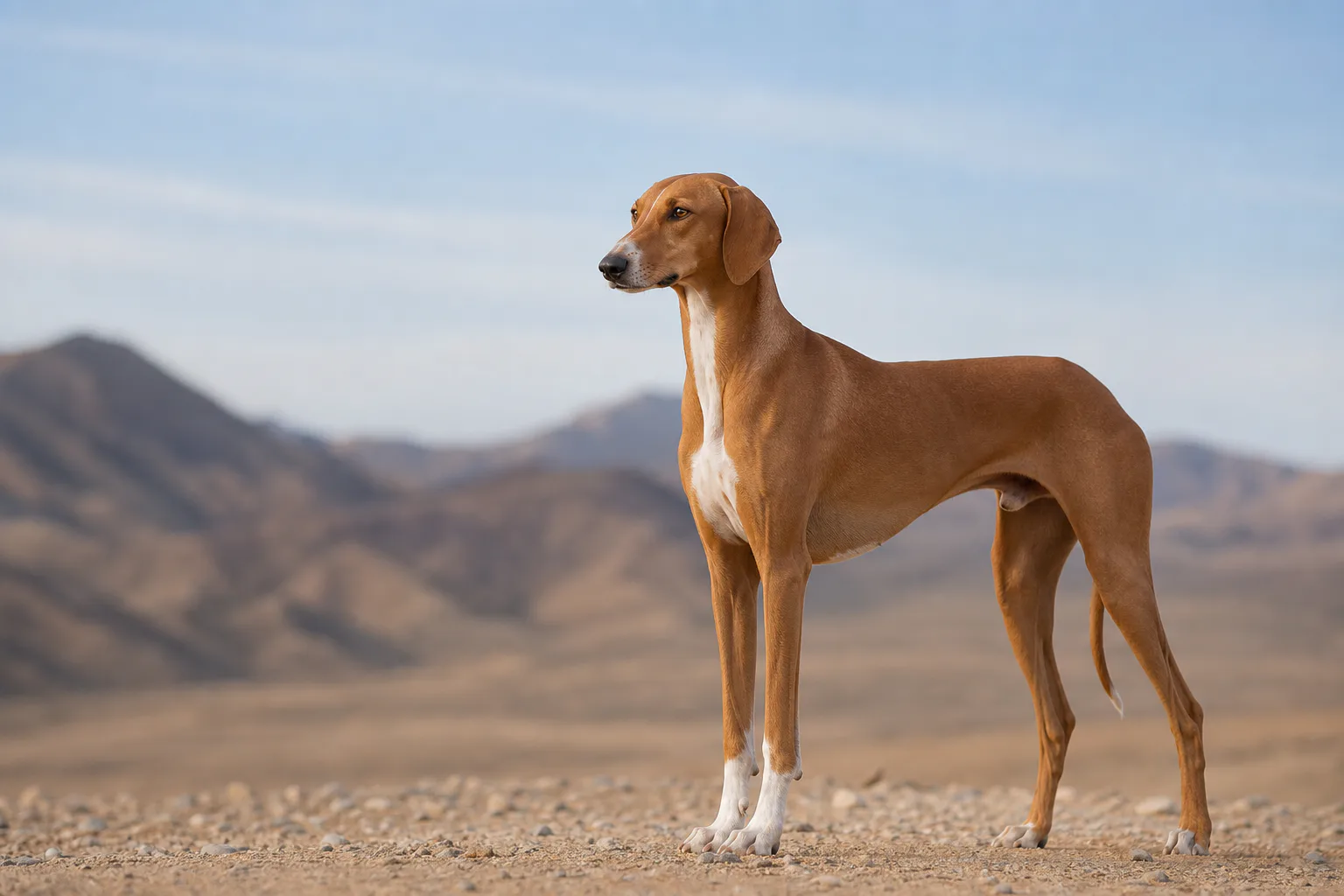
The Azawakh has a tall, narrow, finely built silhouette. Its long legs, deep chest, tucked abdomen, prominent hip bones, and lean musculature are functional features rather than signs of poor condition.
Its head is long and refined, with a relatively narrow muzzle and an alert expression. The short, fine coat can appear in red, clear sand, fawn, brindle, parti-color, blue, black, and brown, including combinations of these colors.
Despite its delicate outline, the breed is built for speed and endurance. Its movement should look light, efficient, and balanced, with enough strength for sustained activity across open terrain.
People who appreciate a refined sighthound sometimes also consider the Afghan hound, but the two breeds differ in coat, social style, and historical function. The Azawakh’s coat is far shorter, and its guarding instinct is more prominent.
Temperament
Family relationships
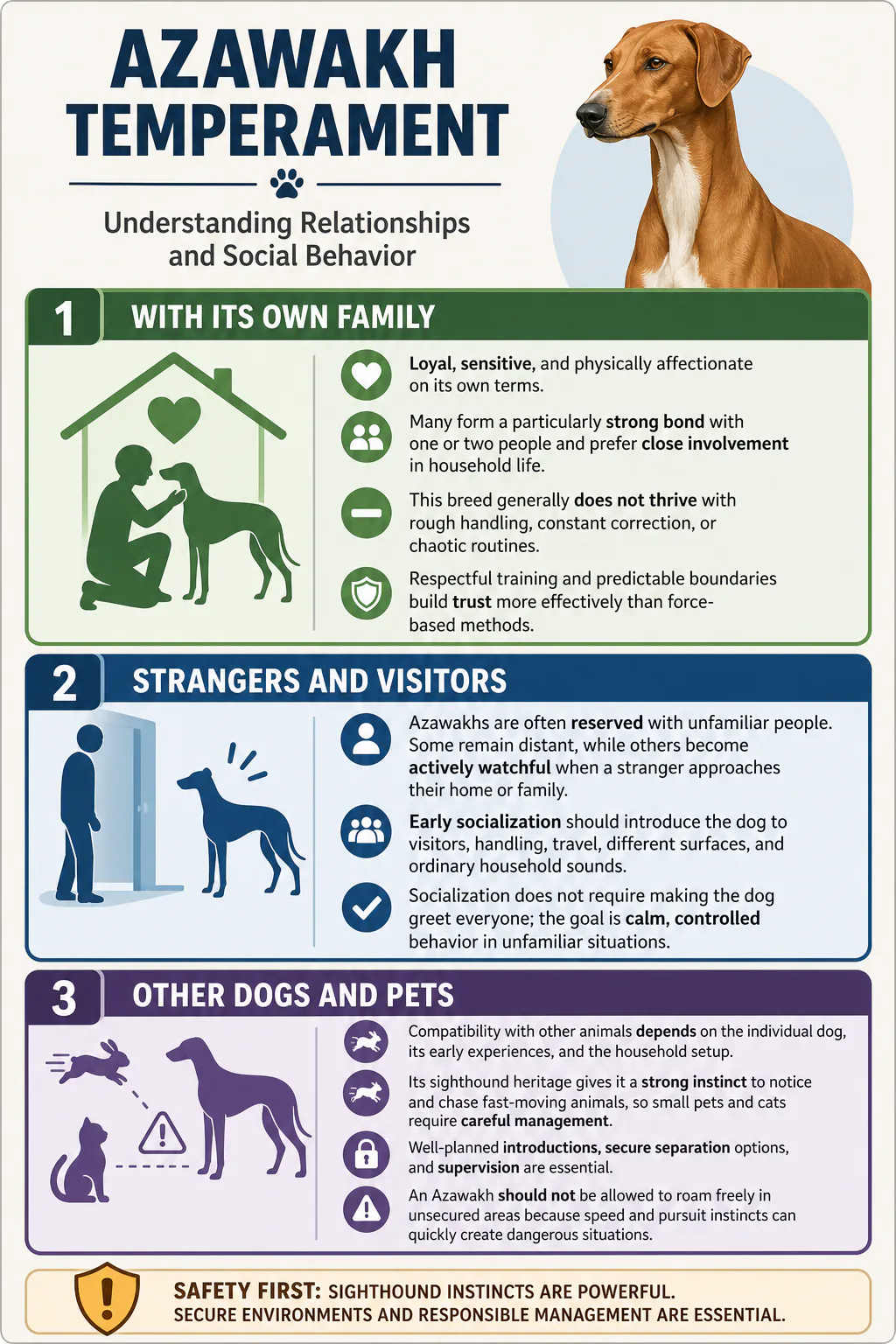
With its own family, the Azawakh is loyal, sensitive, and physically affectionate on its own terms. Many form a particularly strong bond with one or two people and prefer close involvement in household life.
This breed generally does not thrive with rough handling, constant correction, or chaotic routines. Respectful training and predictable boundaries build trust more effectively than force-based methods.
Strangers and visitors
Azawakhs are often reserved with unfamiliar people. Some remain distant, while others become actively watchful when a stranger approaches their home or family.
Early socialization should introduce the dog to visitors, handling, travel, different surfaces, and ordinary household sounds. Socialization does not require making the dog greet everyone; the goal is calm, controlled behavior in unfamiliar situations.
Other dogs and pets
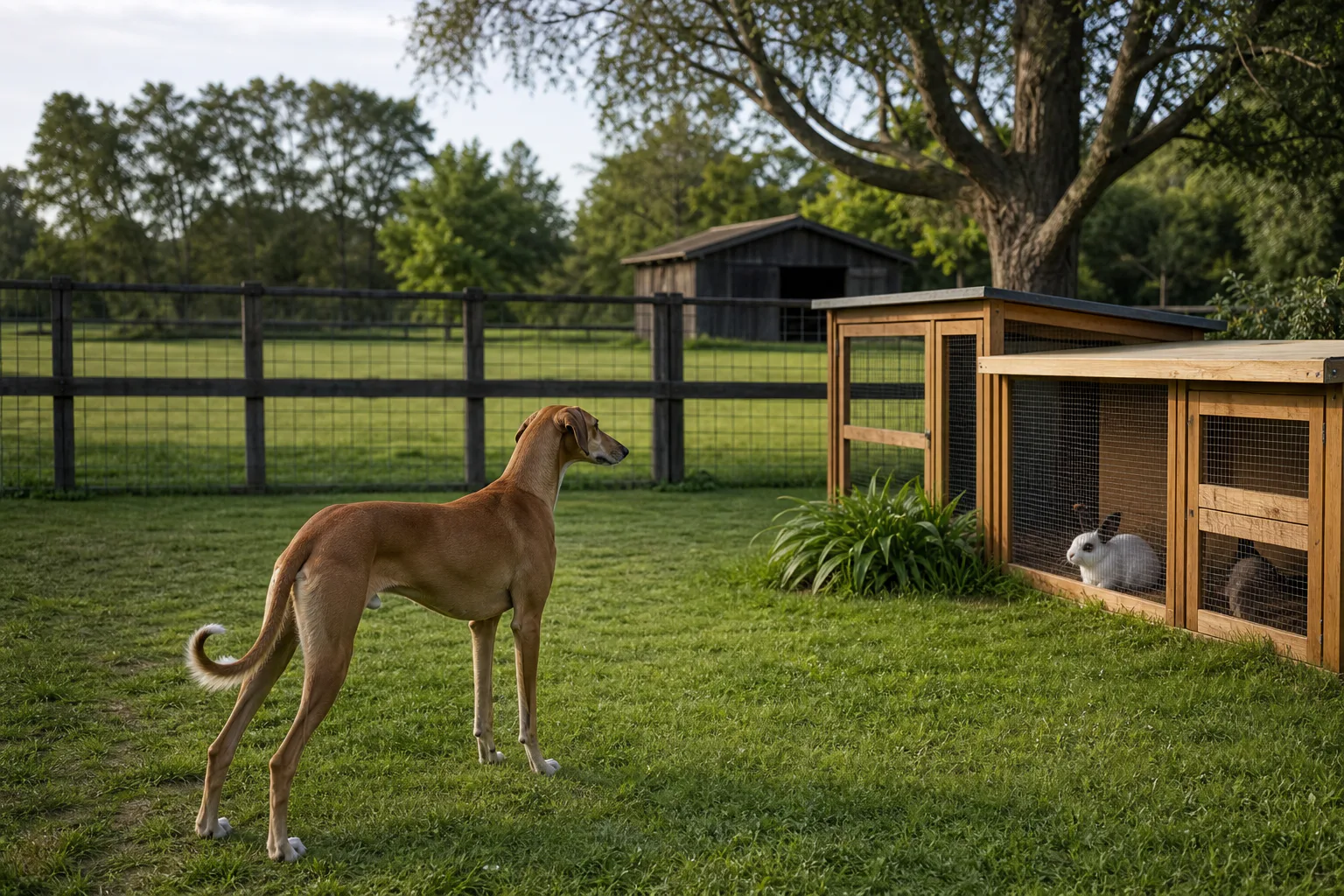
Compatibility with other animals depends on the individual dog, its early experiences, and the household setup. Its sighthound heritage gives it a strong instinct to notice and chase fast-moving animals, so small pets and cats require careful management.
Well-planned introductions, secure separation options, and supervision are essential. An Azawakh should not be allowed to roam freely in unsecured areas because speed and pursuit instincts can quickly create dangerous situations.
Exercise Requirements
The Azawakh needs more than casual neighborhood walks. It benefits from daily activity that combines structured walking with opportunities to run safely in a securely enclosed space.
- Provide regular walks with time for controlled exploration.
- Offer secure opportunities for sprinting and free movement.
- Use short training sessions to exercise the mind.
- Increase activity gradually for puppies and adolescents.
- Avoid relying on unsupervised off-leash exercise in open areas.
One to two hours of walking and activity can suit an adult Azawakh, although the exact routine depends on age, conditioning, health, and the individual dog. A fenced area is especially valuable because ordinary public spaces rarely provide enough security for a fast sighthound.
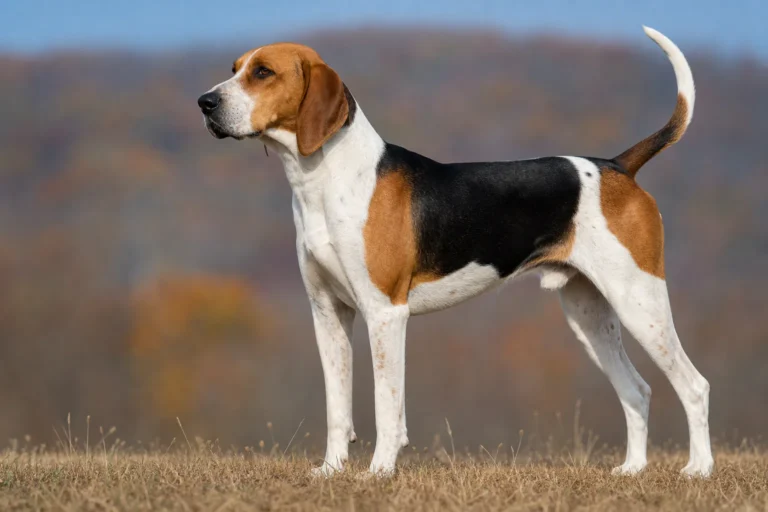
The American Foxhound offers another example of a dog shaped by pursuit and stamina, but the American Foxhound was developed for a different hunting tradition and has a different social profile. Comparing working purpose is more useful than comparing height alone.
Training Approach
The Azawakh is intelligent, but intelligence does not always translate into automatic obedience. It may question repetitive exercises or refuse behavior that seems confusing, unfair, or pointless.
Use clear cues, rewards, brief sessions, and consistent household rules. Recall training deserves special attention, but even a well-trained Azawakh should be off leash only in a secure enclosure.
Leash manners, calm visitor behavior, handling practice, and reliable responses to basic cues should begin early. Training should protect the dog’s confidence while making expectations unmistakable.
Grooming and Home Care
The Azawakh’s short coat is simple to maintain and does not require the extensive coat care associated with long-haired breeds. Regular brushing removes loose hair and allows owners to check the skin, feet, and body condition.
- Brush periodically to remove loose hair.
- Keep nails trimmed to support comfortable movement.
- Check ears and clean them when needed.
- Brush teeth regularly as part of routine care.
- Use gentle handling from puppyhood.
The breed’s lean body can look unusually thin to people unfamiliar with sighthounds. Prominent hip bones and visible muscle definition are part of its structure, but a veterinarian should assess any sudden weight loss or change in condition.
Health and Lifespan Considerations
The Azawakh is generally considered a healthy breed, but every dog still needs preventive veterinary care. Routine examinations, vaccinations, parasite control, dental care, and attention to changes in appetite or movement support long-term wellbeing.
Responsible breeding requires more than selecting attractive color or body shape. Prospective owners should ask about the parents’ health, temperament, longevity, veterinary records, and the breeder’s approach to preserving sound movement and stable behavior.
Because the Azawakh is athletic and lightly built, owners should manage exercise sensibly during growth. Puppies need age-appropriate activity rather than forced running or repetitive high-impact work.
Is an Azawakh a Good Pet?
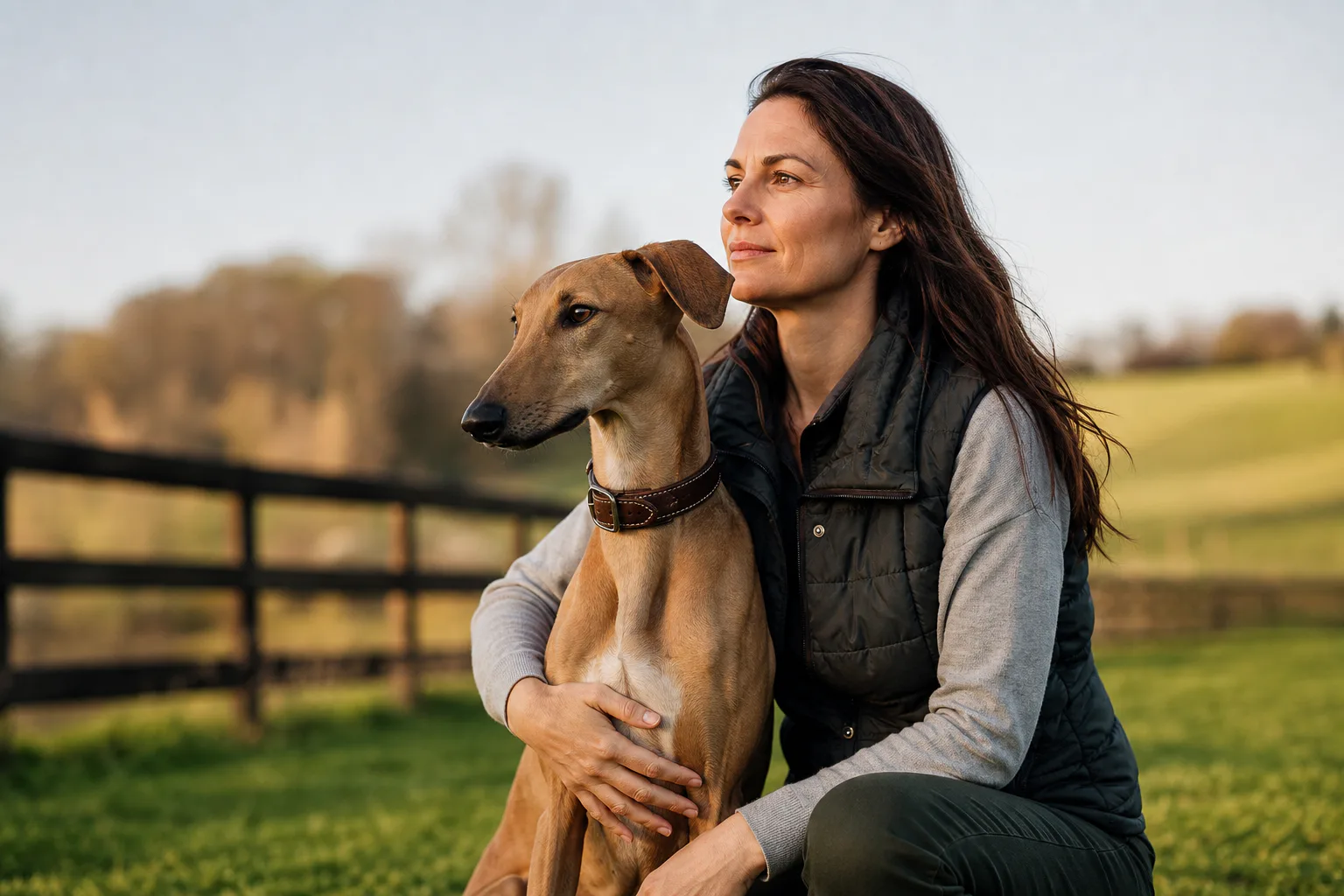
An Azawakh can be an excellent pet for an active, patient household that understands sighthound behavior. It is affectionate with its people, quiet in many home settings, and capable of forming a close partnership with an owner who respects its independence.
It is less suitable for a first-time owner seeking an easygoing, universally sociable dog. The breed’s reserve, guarding instinct, exercise needs, prey drive, and sensitivity require thoughtful management.
Good match
- Experienced dog owners
- Homes with secure fencing
- Active households with time for daily exercise
- People who prefer a loyal but independent companion
- Owners prepared to socialize without forcing interactions
Possible mismatch
- Homes where the dog will be left alone for long periods
- Owners seeking effortless off-leash reliability
- Households with unsecured small animals
- People who want a highly outgoing dog with every visitor
- Families unwilling to provide patient, consistent training
Families with children should consider the dog’s individual temperament, the children’s age, and the adults’ ability to supervise. No dog should be left unsupervised with young children, and children should learn to respect the dog’s space, food, sleep, and body language.
Azawakh Compared With Greyhounds
Both breeds are sighthounds with slim bodies, long legs, and a need for safe running opportunities. The Greyhound is often recognized for its gentle, relaxed household manner, while the Azawakh is more likely to show strong territorial awareness and reserve with strangers.
The Azawakh is also lighter in build and has a more pronounced guarding background. A household choosing between them should evaluate temperament, visitor expectations, fencing, prey-drive management, and access to responsible breed-specific support.
Finding an Azawakh Puppy
People searching for an “Azawakh dog breed puppy” or “Azawakh puppies for sale” should focus on ethical breeding and long-term suitability rather than a quick purchase. A responsible breeder should discuss the breed’s sensitivity, exercise requirements, socialization, household behavior, and return policy.
- Meet the puppy’s mother and, when possible, other relatives.
- Observe how the puppies respond to people and new situations.
- Review veterinary records and available health information.
- Ask how puppies are socialized before leaving the breeder.
- Confirm that the breeder will take the dog back if circumstances change.
- Avoid sellers who will not answer questions about temperament or origin.
Breed rescue organizations can also be a valuable route for adults and older dogs. An adult’s behavior, energy level, and response to visitors are easier to evaluate than a young puppy’s future temperament.
Cost and Availability
There is no single Azawakh dog breed price. Purchase costs vary according to location, pedigree, breeder practices, import requirements, age, and whether the dog is intended for companionship or competition.
The total ownership budget should include food, routine veterinary care, training, secure fencing, transport, grooming supplies, emergency treatment, and possible breed-specific travel or import expenses. A low initial price does not necessarily represent lower lifetime cost.
Azawakhs are rare compared with many established companion breeds. Their limited availability means suitable puppies can require patience, careful breeder research, and travel. A long waiting period is preferable to choosing an unsuitable seller.
The breed’s guardian instinct also makes secure property especially important. Owners comparing protective breeds should distinguish the Azawakh’s alert, independent style from the more overtly biddable working approach associated with a German Shepherd.

Frequently Asked Questions
Are Azawakh dogs good pets?
Yes, for the right household. They can be loyal, affectionate, quiet, and athletic companions, but their reserve, prey drive, guarding instinct, and independent training style make them better suited to experienced owners.
How much does an Azawakh dog cost?
Pricing varies by breeder, location, pedigree, age, and import or transport requirements. Buyers should evaluate health records, socialization, breeder support, and lifetime ownership expenses rather than choosing solely by the advertised purchase price.
Are Azawakhs rare?
Yes. The Azawakh is uncommon in comparison with widely distributed companion breeds. Finding a suitable puppy can take time, and prospective owners may need to work with breed organizations or travel to meet an appropriate breeder.
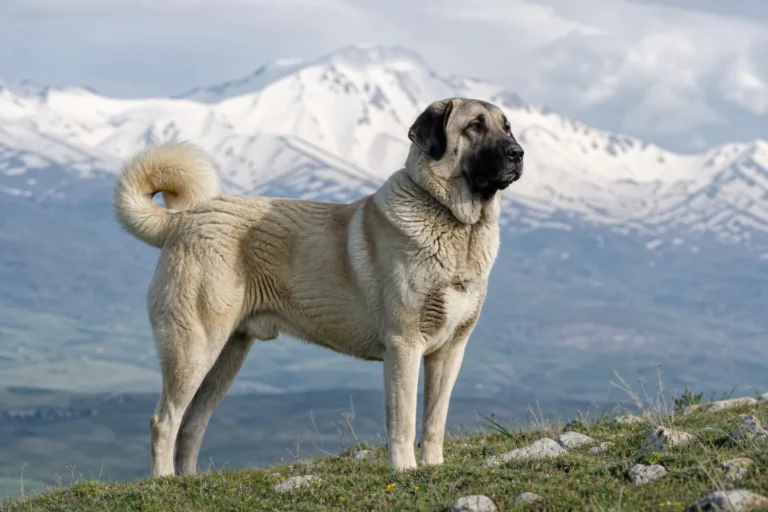
Is a Kangal illegal in the United States?
A Kangal is not banned nationwide by United States federal law. However, local and state rules can regulate or restrict individual breeds, and housing providers, insurers, or municipalities may have their own requirements. Anyone considering a Kangal or another guardian breed should check the current rules in the exact city, county, state, and housing agreement.
Final Recommendation
Choose the Azawakh if you want a rare, elegant sighthound with strong family loyalty, athletic ability, and natural watchfulness, and if you can provide secure exercise and thoughtful socialization. Before committing, spend time with adult dogs and assess whether the breed’s independence and stranger reserve fit your daily life.