Chorkie Dog Guide: Temperament, Care, Health, and Lifespan

The Chorkie is a Chihuahua–Yorkshire Terrier mix known for its tiny size, lively personality and close attachment to people. Many can adapt to apartment living, but their delicate bodies, tendency to bark, grooming needs and dislike of long periods alone require careful planning. Because the crossbreed has no official breed standard, individual Chorkies can differ considerably in appearance and temperament.
Chorkie Breed Overview at a Glance
| Attribute | Details |
|---|---|
| Breed identity | Chihuahua and Yorkshire Terrier crossbreed |
| Alternate names | Yorkiechi, Chiyorkie |
| Origin | United States, early 1990s |
| Recognition | Not recognized by the AKC or UK Kennel Club |
| Weight | 5–10 pounds |
| Height | 6–9 inches |
| Lifespan | 12–15 years |
| Coat | Long silky, short smooth, or short scruffy |
| Colors | Black, tan, brown, white, silver, blue, steel blue |
| Temperament | Affectionate, loyal, lively, vocal, watchful |
| Exercise | About 30 minutes daily |
| Grooming | Daily or weekly brushing |
| Health concerns | Hypoglycemia, dental disease, patellar luxation, tracheal collapse, patent ductus arteriosus |
| Housing suitability | Apartments and small homes with secure outdoor access |
| Child suitability | Best with older, gentle children |
Where the Chorkie Comes From
The Chorkie combines the Chihuahua, a companion breed with Mexican roots, and the Yorkshire Terrier, a small terrier developed in northern England. The mix likely appeared in the United States during the early 1990s, when interest in designer crossbreeds began to grow.
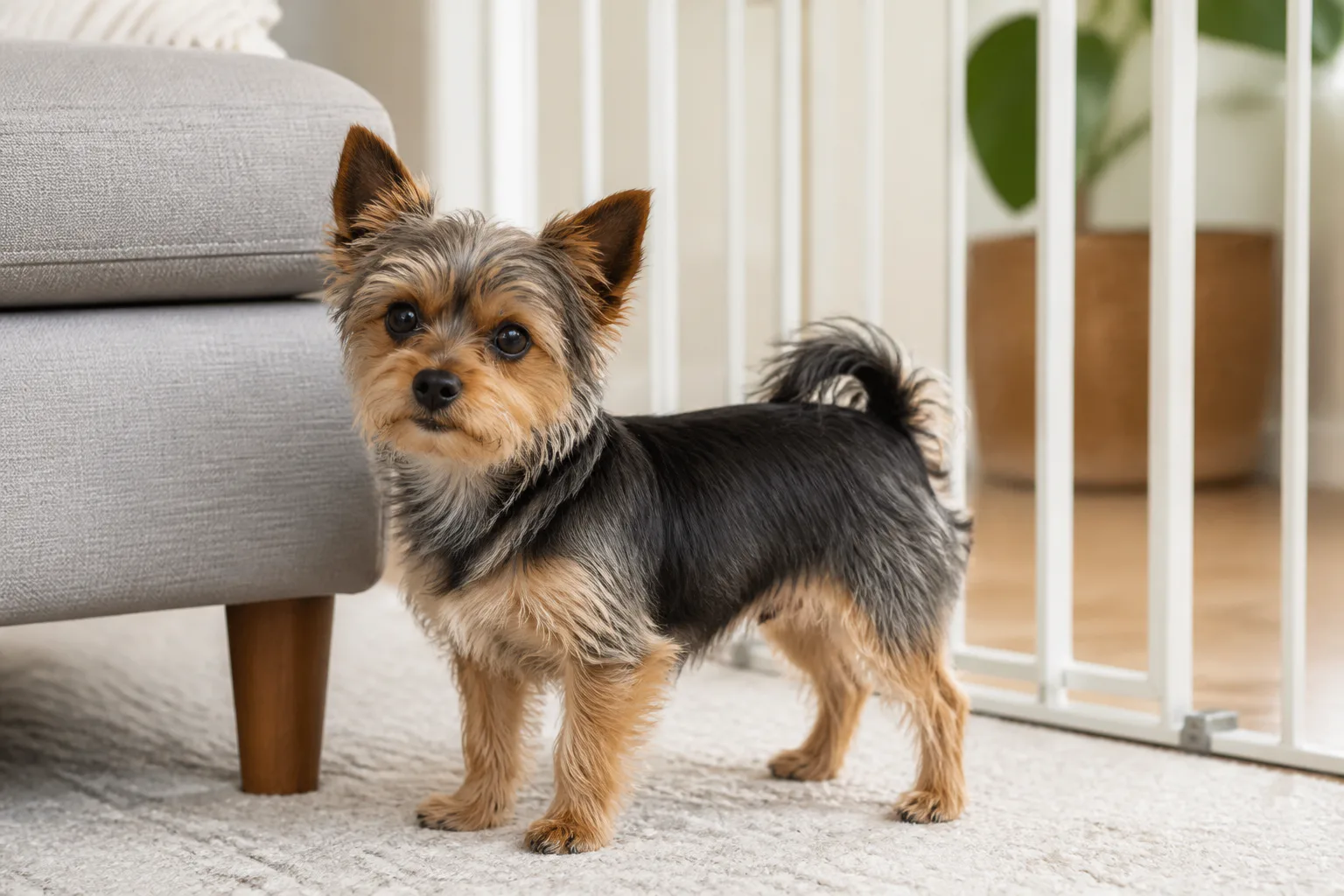
No fixed Chorkie standard determines its size, coat, head shape or behavior. A first-generation puppy may inherit the Chihuahua’s smooth coat, a silky Yorkie-like coat, or a rougher mix of both. Yorkiechi and Chiyorkie are alternate names for the same crossbreed.
The American Kennel Club does not recognize the Chorkie as an official breed, and the UK Kennel Club does not currently recognize it as a mixed breed. That does not determine an individual dog’s quality. It does mean that prospective owners should assess the puppy, parents, health records and rearing conditions carefully.
Chorkie Size, Coat, and Appearance
Most adult Chorkies stand 6–9 inches tall and weigh 5–10 pounds. Their small size makes them easy to carry, but falls, rough handling, accidental trampling and attacks from larger dogs can cause serious injuries. Block narrow gaps inside the home and fully enclose any outdoor area.
The coat may be long and silky, short and smooth, or short and scruffy. Common colors include black, tan, brown, white, silver, blue and steel blue, with either solid or mixed markings. Coat texture and shedding depend on the traits inherited from each parent, and a puppy’s coat may change as it matures.
Ask to see the puppy’s parents when possible. Their size, bone structure, coat, bite and movement can offer useful clues, although they cannot guarantee how a mixed-breed puppy will look as an adult.
Chorkies can look quite different from one another because they inherit traits from two small breeds. Coat texture, facial shape and shedding may all vary, as they can in other designer dogs such as the Yorkie mix traits, whose coat may be silky or softly textured and needs regular brushing.
Understanding Chorkie Temperament
Chorkies usually bond closely with their owners and like to stay near the household. They are lively, alert and often more confident than their size suggests. Chihuahua watchfulness combined with Yorkshire Terrier instincts can make them quick to react to sounds, visitors, movement outside windows and unfamiliar dogs.
Barking is common. It may increase when a Chorkie is bored, anxious, under-socialized or rewarded with attention after sounding an alarm. Calm reinforcement, controlled exposure to household noises and a taught quiet cue are more effective than punishment, which can increase fear and defensive behavior.
Chorkies are not naturally aggressive. Behavior depends on genetics, early handling, socialization, training and past experiences. Many are sensitive and become overwhelmed easily, so interactions should be predictable and gentle.
Chorkies often form strong bonds with their owners while remaining confident and alert. That mix of affection and small-dog boldness also appears in the Morkie personality, so early socialization and consistent boundaries matter, even with a tiny dog.

Exercise and Mental Stimulation Needs
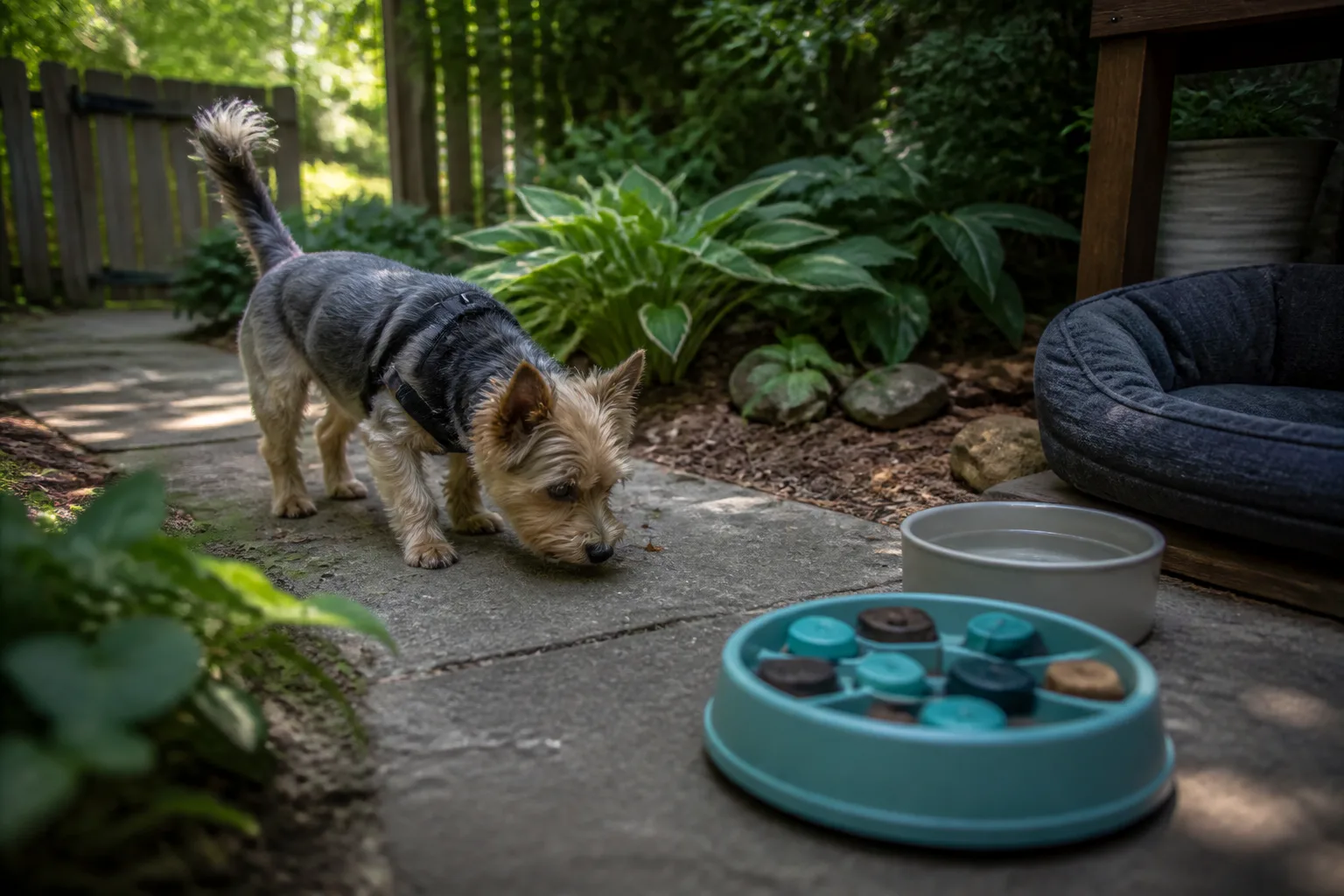
About 30 minutes of daily activity suits many adult Chorkies when divided into manageable sessions. The routine matters as much as the duration. Avoid long walks, intense jumping and strenuous exercise in hot weather because a tiny dog can become tired or overheated quickly.
- Take two short, controlled walks.
- Use indoor fetch on a non-slip surface.
- Practice gentle training for several minutes at a time.
- Offer food puzzles and interactive toys.
- Provide supervised sniffing and exploration.
Use a well-fitted harness rather than attaching a lead to the neck. Give the dog rest periods and fresh water, and watch closely for signs of fatigue. Puppies, seniors and Chorkies with breathing or knee problems may need shorter or less demanding activities.
Despite its small size, a Chorkie may inherit a terrier’s urge to sniff, chase, dig and investigate. Pair short walks with scent games, puzzle toys or supervised play to keep it engaged, much like the terrier activity needs.
Grooming and Dental Care Routine
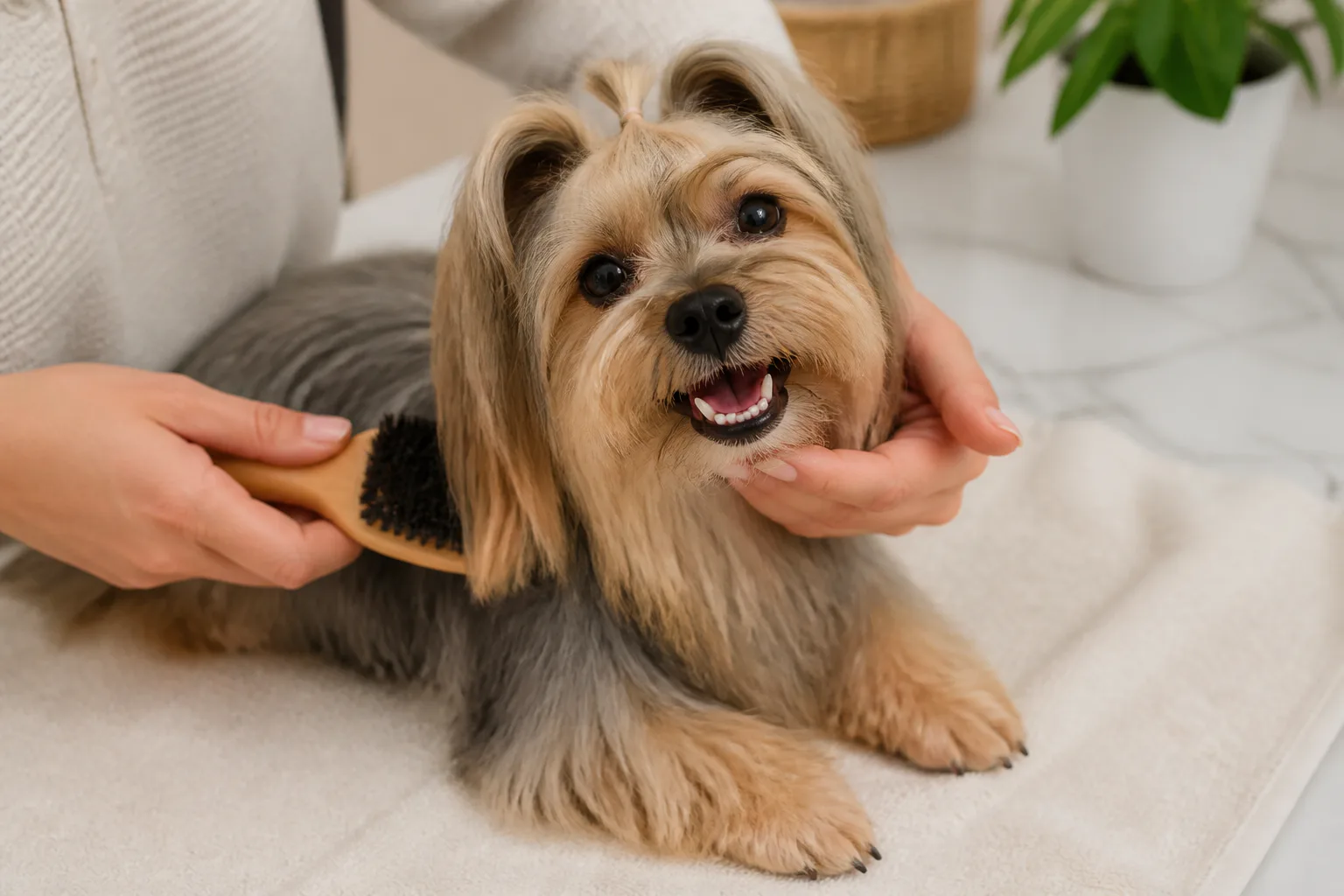
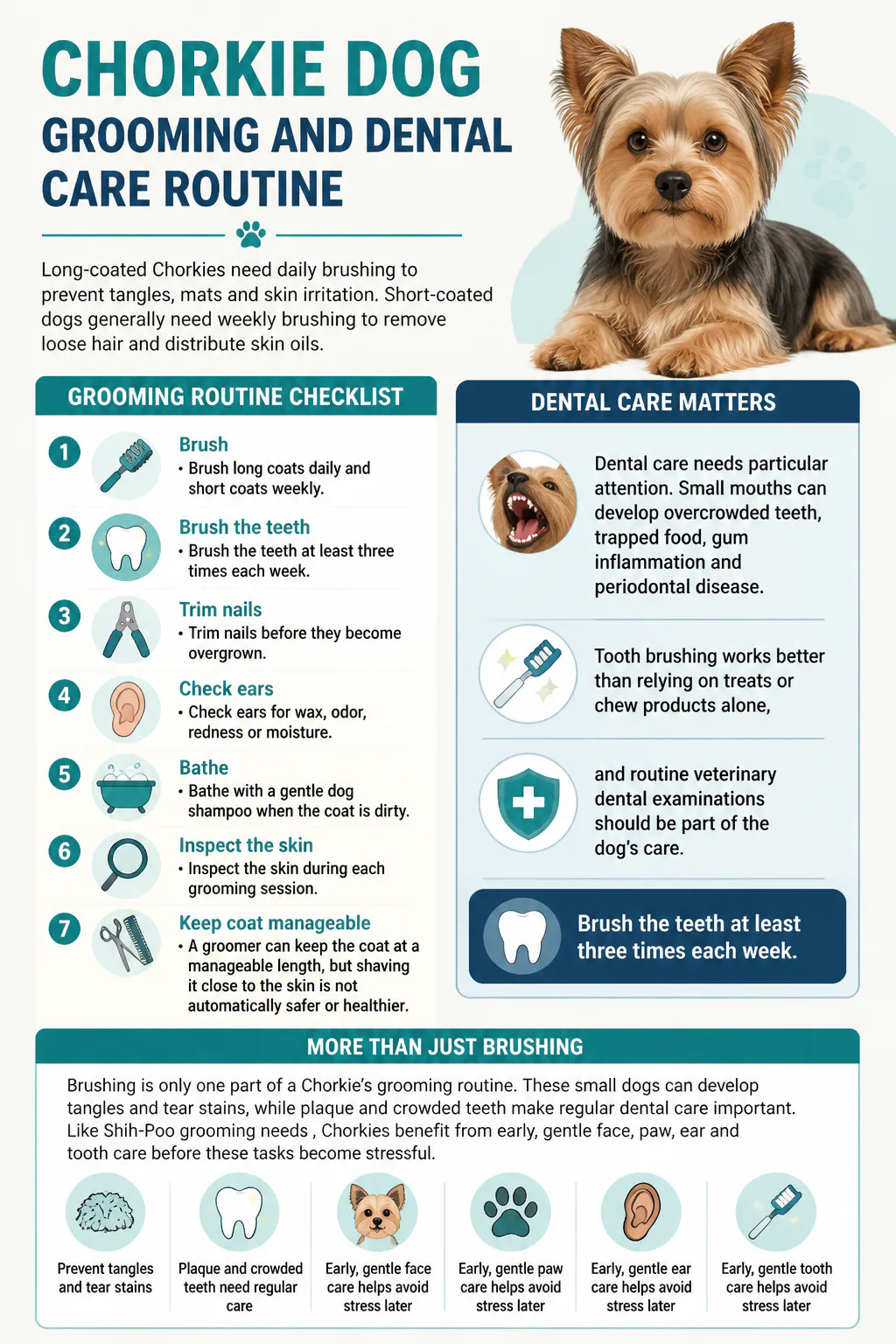
Long-coated Chorkies need daily brushing to prevent tangles, mats and skin irritation. Short-coated dogs generally need weekly brushing to remove loose hair and distribute skin oils. A groomer can keep the coat at a manageable length, but shaving it close to the skin is not automatically safer or healthier.
- Brush long coats daily and short coats weekly.
- Brush the teeth at least three times each week.
- Trim nails before they become overgrown.
- Check ears for wax, odor, redness or moisture.
- Bathe with a gentle dog shampoo when the coat is dirty.
- Inspect the skin during each grooming session.
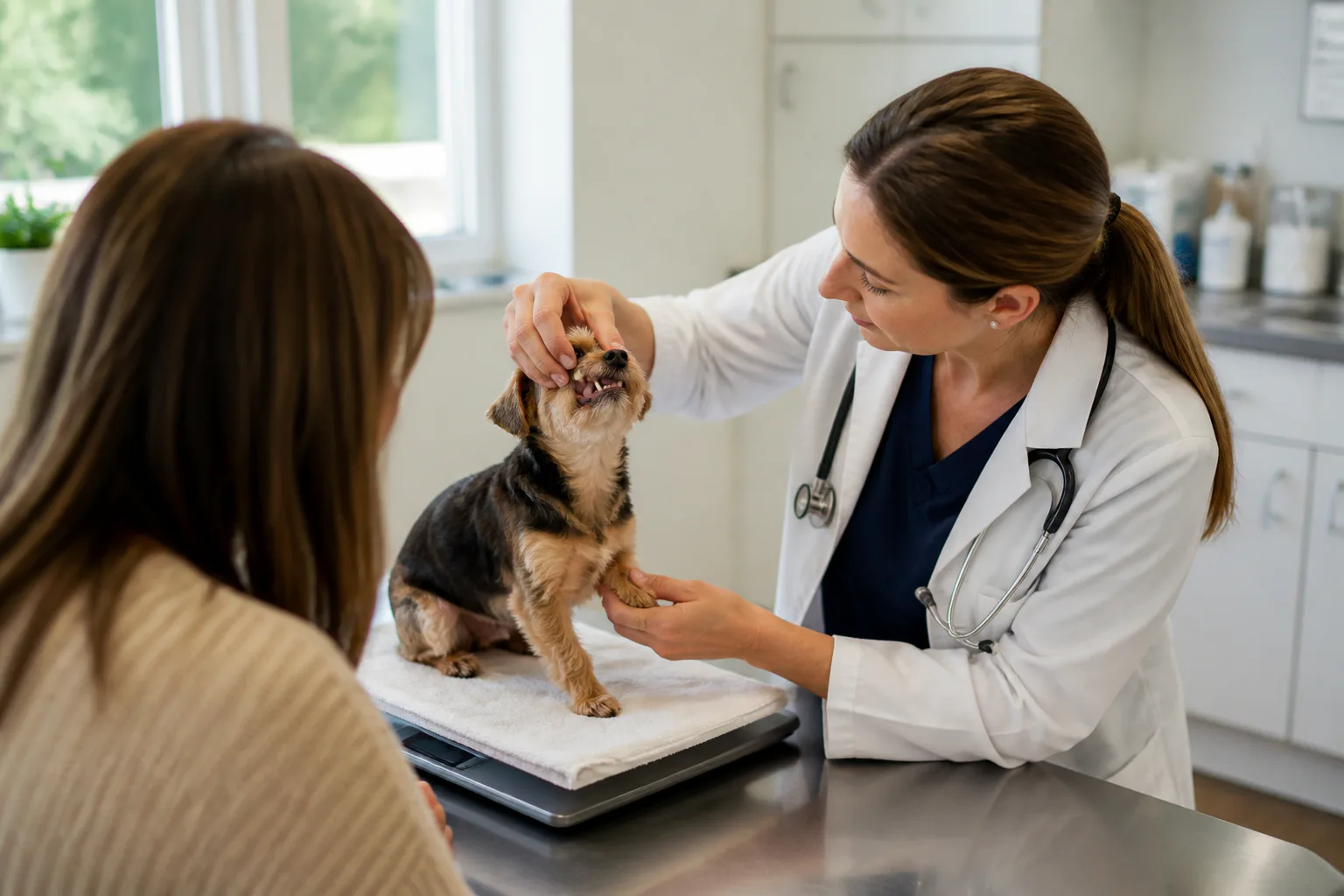
Dental care needs particular attention. Small mouths can develop overcrowded teeth, trapped food, gum inflammation and periodontal disease. Tooth brushing works better than relying on treats or chew products alone, and routine veterinary dental examinations should be part of the dog’s care.
Brushing is only one part of a Chorkie’s grooming routine. These small dogs can develop tangles and tear stains, while plaque and crowded teeth make regular dental care important. Like Shih-Poo grooming needs, Chorkies benefit from early, gentle face, paw, ear and tooth care before these tasks become stressful.
Feeding a Chorkie Safely
Feed a complete small-breed diet with kibble sized for a tiny mouth. Measure each portion because excess weight puts more strain on small joints and may worsen breathing or mobility problems. Keep fresh water available, and adjust portions to maintain a healthy body condition as the dog’s age and activity change.
- Feed puppies three or four meals per day.
- Feed adults two or three meals per day.
- Keep treats at no more than 10% of daily calories.
- Measure meals instead of free-feeding.
- Introduce diet changes gradually.
- Monitor appetite, stool, weight and energy.
Hypoglycemia, or dangerously low blood sugar, is a serious risk for very small puppies. Weakness, trembling, unusual sleepiness, poor coordination, collapse or seizures require urgent veterinary attention. Young puppies should not go for long periods without eating.
Training and Socialization Priorities
Consistent positive reinforcement is the safest and most effective approach for training a Chorkie. Reward desired behavior with small treats, praise, play or access to a favorite activity. Keep sessions short; clear repetition is more useful than expecting a tiny dog to concentrate for long periods.
- Teach the puppy its name and a reliable attention response.
- Introduce a harness indoors before using it outside.
- Build recall in a secure area with high-value rewards.
- Reward quiet behavior before barking escalates.
- Teach handling for paws, ears, mouth and grooming.
- Expose the puppy calmly to people, surfaces, sounds and transport.
Socialization matters especially during the first 16 weeks. Calm, positive exposure can reduce fear, defensive reactions and excessive suspicion. Do not force greetings or allow large, rough dogs to crowd a Chorkie.
Chorkies often learn quickly, but they may resist repetitive drills or harsh corrections when they feel bored or overwhelmed. Keep sessions short and reward-based, set clear household rules, and introduce new people calmly to channel their confidence. These habits also support Affenpinscher training lessons for spirited small dogs.
Chorkie Health Risks and Prevention
A small body does not mean minimal veterinary care. Chorkies can inherit health problems from either parent, while their dental anatomy, fragile frame and toy-breed physiology create additional care needs. A puppy examination, vaccination plan, parasite control, weight monitoring and regular adult checkups provide the foundation for preventive care.
- Hypoglycemia: Low blood sugar is particularly dangerous in tiny puppies.
- Tracheal collapse: A weakened windpipe can cause a dry, honking cough.
- Periodontal disease: Crowded teeth and gum decay can lead to pain and tooth loss.
- Patent ductus arteriosus: This congenital heart defect causes abnormal blood flow.
- Patellar luxation: A kneecap can slip out of its normal position, causing skipping or lameness.
Contact a veterinarian for breathing difficulty, repeated coughing, fainting, persistent vomiting, sudden weakness, seizures, limping or refusal to eat. Before purchasing a puppy, request veterinary records for both parents and ask how the breeder evaluates the heart, knees, eyes, teeth and general structure.
Is a Chorkie Right for Your Home?
A Chorkie can live in an apartment or small home with daily activity, companionship, training and mental enrichment. Secure outdoor access matters because a tiny dog can escape through gaps that would not concern owners of larger pets. Chorkies are a poor match for households where the dog would spend most of the day alone.
- Best fit: Owners who want a close companion and can provide regular interaction.
- Young children: Generally unsuitable because accidental drops and rough play can cause serious injury.
- Older children: Appropriate when children understand gentle handling and adults provide constant supervision.
- Other dogs: Possible with careful introductions, although unfamiliar dogs may make a Chorkie wary.
- Large dogs: Require strict supervision because the size difference creates a serious injury risk.
- Cats and small pets: Introductions should be controlled because terrier instincts can trigger chasing.
Choose another breed or an adult rescue dog if you need a quiet, highly independent pet. A Chorkie is better suited to someone prepared to manage barking, protect a delicate body and make training and dental care part of the daily routine.
Finding a Chorkie responsibly
Chorkies may be available through private breeders, local shelters, breed-focused rescues and adoption websites. Availability is inconsistent because they are a mixed breed, and a listing labeled “Chorkie” may describe a dog with varied ancestry. Ask for an honest temperament history, medical records, vaccination details and the reason the dog needs a new home.
- Decide whether a puppy or adult dog suits your schedule.
- Visit the breeder, shelter or foster setting when possible.
- Meet the dog and observe its breathing, movement, alertness and response to handling.
- Review veterinary records and the written contract.
- Confirm return and rehoming terms before paying.
- Arrange a veterinary examination soon after bringing the dog home.
Adoption fees typically range from $75 to $500 and may include initial vaccinations and spay or neuter surgery. Breeder prices vary with location, lineage, coat, demand and health documentation. An unusually low price warrants closer scrutiny before purchase.
FAQs
How long does a Chorkie live?
A Chorkie’s typical lifespan is 12–15 years. Longevity depends on inherited health, dental care, weight control, nutrition, injury prevention and timely veterinary treatment.
Do Chorkies shed?
Shedding varies with coat type and parentage. Short coats usually need weekly brushing, while long, silky coats need daily brushing to control loose hair and prevent mats.
Are Chorkies good for first-time owners?
They can suit first-time owners who are prepared for small-dog training, dental care, barking management and close supervision. Their size makes handling easier, but their care needs are not minimal.
Can Chorkies be left alone during the workday?
Long periods alone can contribute to distress, barking, house-training setbacks and destructive behavior. Arrange regular company, toilet breaks, exercise and enrichment if you work away from home.
Are Chorkies easy to house-train?
House-training requires a predictable schedule, close supervision, frequent outdoor trips and immediate rewards for success. Their small bladders and sensitivity can make progress slower than some owners expect.
Can a Chorkie live with cats?
Some Chorkies live peacefully with cats after gradual introductions. Use gates, separate feeding areas and supervision until both animals consistently remain calm.
How much does a Chorkie cost?
Adoption fees range from $75 to $500 and often include initial vaccinations and spay or neuter surgery. Breeder prices vary by location, health documentation, lineage, coat, demand and included veterinary care, so compare the records and services rather than price alone.
Conclusion
A Chorkie suits a home that values companionship and can protect a tiny dog from rough handling, large animals, missed meals and neglected dental care. Before choosing one, assess the dog’s temperament, early socialization and veterinary records, then make sure your daily schedule allows time for training and company.